Movies with Practical Effects That Still Hold Up
The Reel Team
11 min read
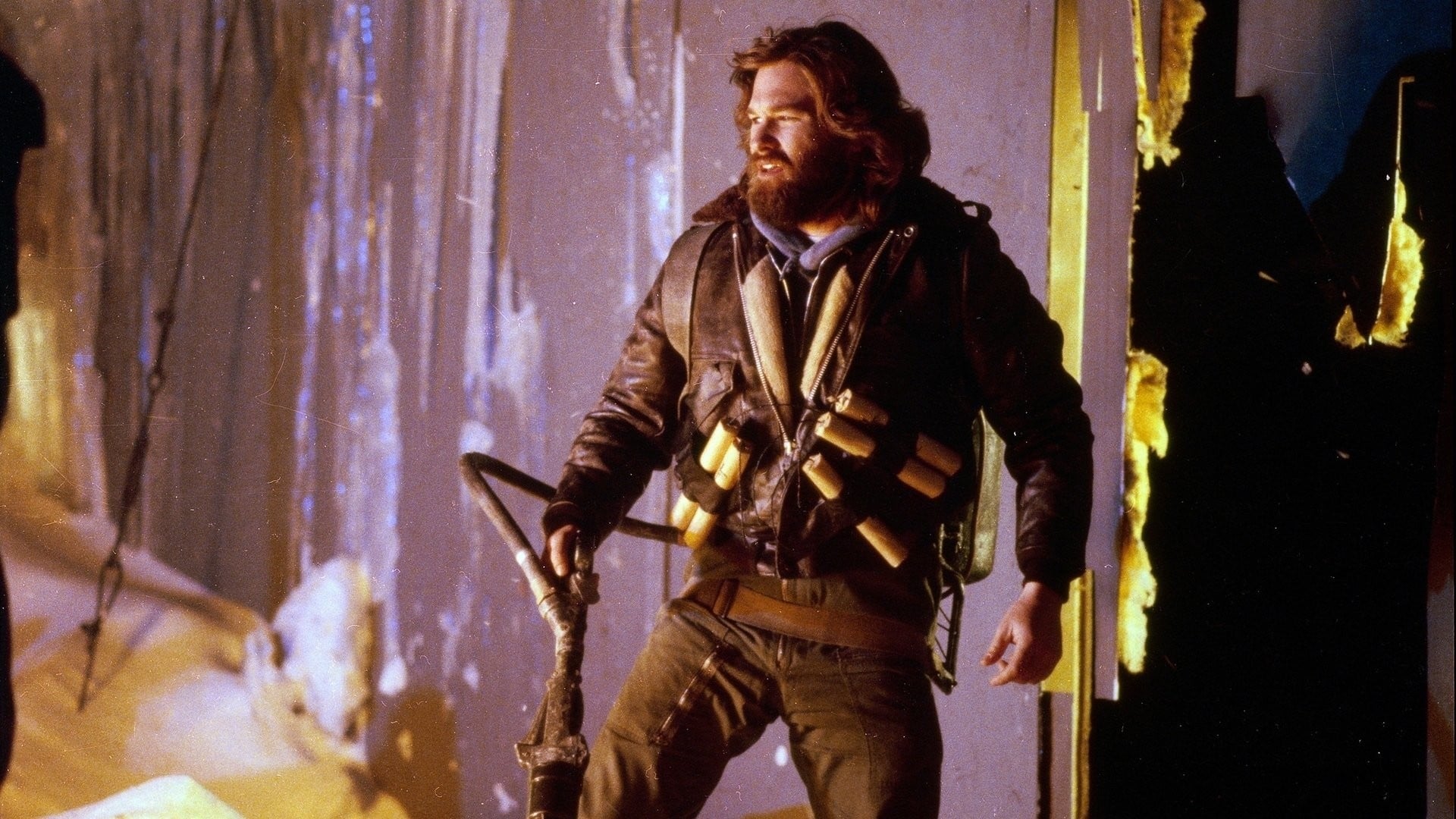
In an era of CGI ubiquity, practical effects stand apart. These films prove that rubber, miniatures, and stunt work create visceral impact that pixels struggle to match. No computers here—just craft, creativity, and camera magic.
The Horror Masters
The Thing (1982)
Rob Bottin’s creature effects remain the gold standard forty years later. The blood test scene, the defibrillator chest mouth, the spider-head—each transformation is nauseating and magnificent.
How they did it: Bottin worked so intensively he was hospitalized for exhaustion. Every creature was mechanical, puppeteered by teams hidden beneath sets. The “chest chomp” used a double-amputee actor with prosthetic arms.
An American Werewolf in London (1981)
Rick Baker won the first-ever Best Makeup Oscar for his transformation sequence. David Naughton’s werewolf metamorphosis happens on-screen, in-camera, with no cutaways to hide the work.
How they did it: Facial prosthetics applied in layers, mechanical rigs extending limbs, and bladder effects creating rippling skin. Baker designed the sequence to showcase what practical effects could achieve.
The Fly (1986)
Jeff Goldblum’s gradual transformation into Brundlefly required ever-more-elaborate makeup applications. Chris Walas’s work is grotesque and heartbreaking.
How they did it: As the film progresses, Goldblum’s makeup chair time increased from hours to days. The final Brundlefly suit required puppeteers and mechanical effects working in concert.
The Exorcist (1973)
Dick Smith’s makeup on Linda Blair created images that traumatized a generation. The spinning head, the vomit, the wounds—all achieved on set.
How they did it: Mechanical rigs, refrigerated sets (you can see actors’ breath), and creative camera angles. The “vomit” was pea soup, propelled through a tube hidden in the bed.
Action Excellence
Mad Max: Fury Road (2015)
George Miller’s insistence on practical stunts makes every car crash feel dangerous—because it was. Real vehicles, real desert, real physics.
How they did it: Over 150 custom-built vehicles, flamethrowers actually spitting fire, and stunt performers on actual moving cars. CGI enhanced backgrounds and removed safety wires, but the core action is real.
Mission: Impossible - Fallout (2018)
Tom Cruise broke his ankle doing a building jump, learned to fly a helicopter for the finale, and HALO jumped for real. The practical commitment elevates every sequence.
How they did it: Cruise’s willingness to perform his own stunts means the camera can stay close. When he runs, hangs, or jumps, it’s really him.
The Dark Knight (2008)
Christopher Nolan flipped a real semi-truck on La Salle Street in Chicago. The Joker’s hospital explosion features Heath Ledger’s improvised reaction to a real delay.
How they did it: Nolan’s preference for practical effects means real explosions, real vehicle work, and IMAX cameras capturing everything at maximum clarity.
Inception (2010)
The rotating hallway fight was built as an actual rotating set. Joseph Gordon-Levitt trained for weeks to fight while the world spun around him.
How they did it: A 100-foot corridor set could rotate 360 degrees. Gordon-Levitt and stunt performers adapted their choreography to whichever way was “down” at any moment.
Creature Features
Jurassic Park (1993)
Before CGI dinosaurs, Stan Winston’s animatronic T-Rex and raptors terrified audiences. The kitchen scene uses puppets and suits.
How they did it: Full-size animatronics for close-ups, CGI for wide shots and complex movement. The blend was revolutionary, but the puppet work grounds everything.
Aliens (1986)
James Cameron’s xenomorphs used suits, puppets, and miniatures to create a hive of nightmares. The Queen was an 14-foot puppet operated by up to sixteen technicians.
How they did it: Suits for stuntmen, rod puppets for detailed work, and the massive Queen requiring a crane and coordinated operators. Every alien interaction feels tangible.
Jaws (1975)
“Bruce” the mechanical shark barely worked, forcing Spielberg to imply the threat. When it appears, the practical effects deliver.
How they did it: Three mechanical sharks, constant breakdowns, and creative problem-solving. The malfunctions created cinema’s greatest lesson in “less is more.”
The Miniature Masters
Blade Runner (1982)
The 2019 Los Angeles skyline was achieved through intricately detailed miniatures and matte paintings. Douglas Trumbull’s effects work remains stunning.
How they did it: Scale models, smoke, and carefully controlled lighting created depth. The Tyrell Corporation headquarters was a detailed miniature shot to appear massive.
2001: A Space Odyssey (1968)
Kubrick’s space sequences predate the moon landing but look better than many modern films. The rotating station, the ships, the Star Gate—all practical.
How they did it: Giant centrifuge sets, front projection for the apes, and slit-scan photography for the psychedelic finale. No computers, just innovation.
The Lord of the Rings Trilogy (2001-2003)
Peter Jackson combined forced perspective, bigatures (massive miniatures), and practical creature work with CGI enhancement. Hobbiton, Minas Tirith, and Helm’s Deep existed as physical constructs.
How they did it: “Bigatures” up to 30 feet long allowed detail that purely digital environments couldn’t match. Weta Workshop built thousands of props, costumes, and creatures.
Why Practical Still Works
Weight: Real objects move like real objects. CGI characters still struggle with physical presence.
Actor reactions: Performers respond to something actually there. The fear in Alien comes from the cast’s genuine reactions to the creature.
Lighting: Practical effects exist in real space with real light. The eye detects subtle differences in illumination that CGI must artificially match.
Aging: Good practical effects age gracefully. Bad CGI becomes obviously dated. Compare T2’s practical T-1000 work to its CGI moments.
Happy accidents: The Thing’s transformation effects have an organic randomness that programmers can’t replicate. Practical work surprises even its creators.
The Hybrid Approach
Modern films combine techniques:
Dune: Part Two (2024)
Denis Villeneuve built massive sets and used practical effects enhanced by CGI. The sandworm riding uses physical rigs with digital extension.
Top Gun: Maverick (2022)
Real jets, real g-forces, real aerial photography. The actors experienced what their characters experience.
Oppenheimer (2023)
Christopher Nolan recreated the Trinity test without CGI. The explosion was achieved with gasoline, propane, and aluminum powder.
Watch for the Craft
Next time you watch these films, notice:
- Where does the camera cut? Edits often hide effect limitations.
- Can you see the performer’s full body? Practical suits allow this; CGI often doesn’t.
- How does light interact with creatures/sets? Practical effects exist in real space.
- Does the actor look at the effect? Eye lines tell you what’s actually there.
The best filmmakers choose practical effects when they serve the story. No technique is inherently superior—but for visceral, lasting impact, there’s nothing like the real thing.
Discover Your Next Favorite Film
Browse our curated collection of movie trailers and find something new to watch tonight.
Browse Trailers