Movies with the Best Editing
The invisible art that shapes cinema
The Reel
10 min read
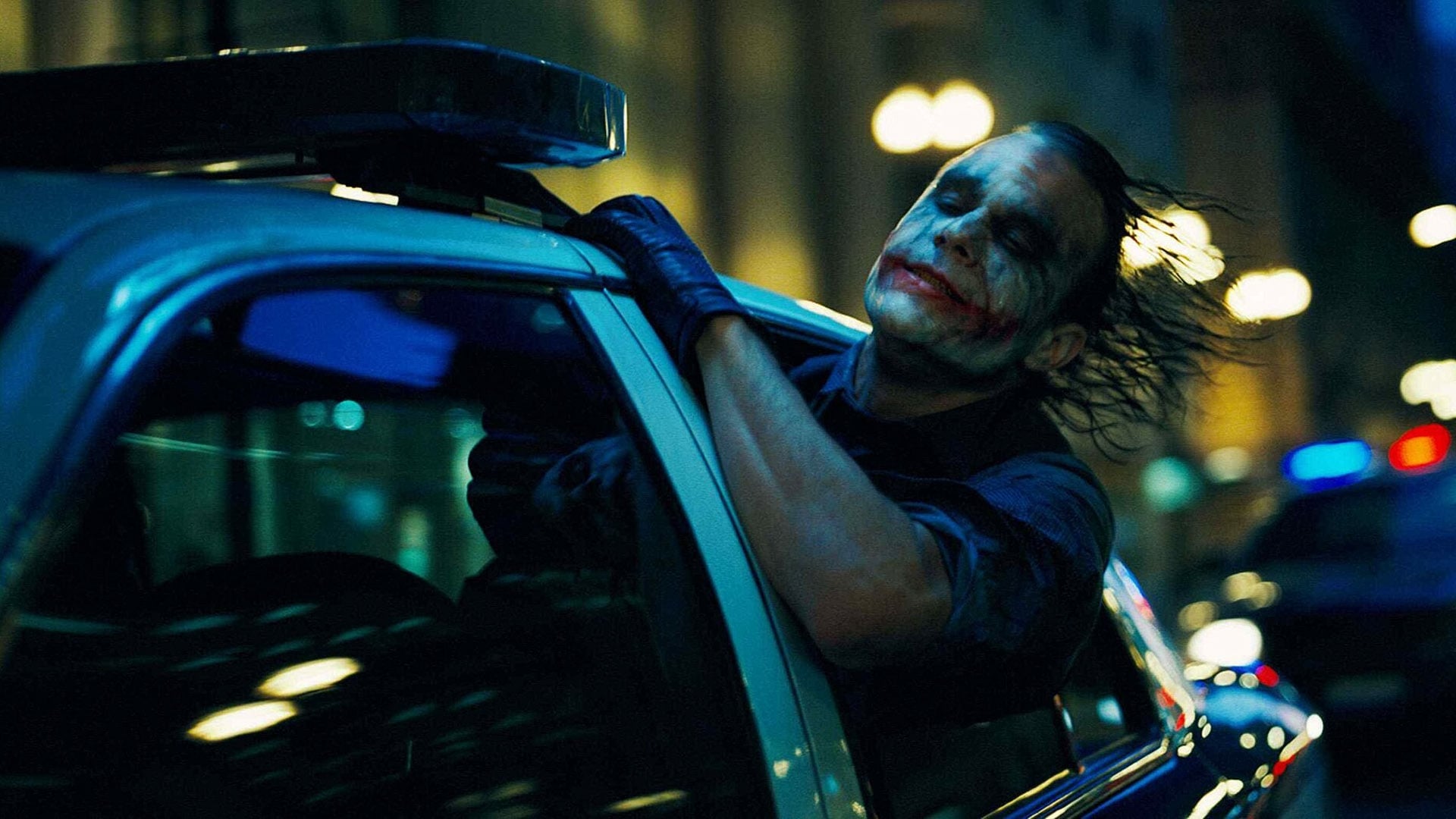
Great editing is invisible. When it’s working, you don’t notice cuts—you feel rhythm, tension, and emotion. These films showcase editing at its finest, from rapid-fire action to contemplative drama.
Action and Pace
Mad Max: Fury Road (2015)
Editor: Margaret Sixel
George Miller gave the editing task to his wife, who had never cut an action film. The result revolutionized the genre. Fury Road maintains spatial clarity through chaos by center-framing subjects across cuts. The two-hour chase never becomes exhausting because Sixel varies rhythm masterfully.
The Dark Knight (2008)
Editor: Lee Smith
The Dark Knight crosscuts between multiple action sequences with precision. The Joker’s hospital scene, Gordon’s fake death, and Harvey Dent’s arc weave together seamlessly. Smith earned an Oscar nomination for managing Nolan’s complex structures.
Whiplash (2014)
Editor: Tom Cross
Music and editing merge in Whiplash. Cross won the Oscar for the finale alone—the jazz performance cut like action, building tension through rhythm. The rapid cuts during practice sessions mirror the protagonist’s obsession.
Baby Driver (2017)
Editor: Jonathan Amos & Paul Machliss
Every car chase and shootout syncs to the soundtrack. The editing doesn’t just match music—it makes the audience feel the beat. The precision required for this approach is extraordinary.
Non-Linear Storytelling
Memento (2000)
Editor: Dody Dorn
Memento’s reverse structure required editing that maintains mystery while playing fair. Dorn assembled a puzzle where each piece recontextualizes what came before. The black-and-white sequences provide forward momentum within the backward color story.
Pulp Fiction (1994)
Editor: Sally Menke
Tarantino’s long-time collaborator shaped Pulp Fiction’s timeline into coherence. The non-chronological structure creates dramatic irony—we know Vincent’s fate before we watch his date with Mia. Menke’s work made Tarantino’s dialogue rhythms iconic.
Arrival (2016)
Editor: Joe Walker
Arrival’s twist depends entirely on editing choices. What appear to be flashbacks become something else entirely. Walker had to construct temporal ambiguity without cheating. The reveal recontextualizes every preceding cut.
The Prestige (2006)
Editor: Lee Smith
Another Nolan puzzle box, The Prestige requires attentive viewing. Smith’s cuts misdirect like a magic trick, hiding answers in plain sight. The three-timeline structure serves the film’s themes of obsession and sacrifice.
Rhythmic Mastery
All That Jazz (1979)
Editor: Alan Heim
Bob Fosse’s autobiographical musical won the editing Oscar for its dazzling montages. The Bye Bye Life finale is a dance of cuts, matching editing rhythm to choreography. Heim’s work influenced music video aesthetics for decades.
Raging Bull (1980)
Editor: Thelma Schoonmaker
Scorsese’s long-time collaborator brought unprecedented rhythm to boxing sequences. Raging Bull’s fights feel visceral because Schoonmaker varies speed, sound, and shot length constantly. The slow-motion knockouts become ballet.
Goodfellas (1990)
Editor: Thelma Schoonmaker
The Copacabana tracking shot gets attention, but Schoonmaker’s montages define Goodfellas. The “Layla” sequence compresses narrative time while building dread. Voice-over, music, and visuals layer perfectly.
The Social Network (2010)
Editor: Kirk Baxter & Angus Wall
David Fincher demands precision, and his editors delivered. The Social Network’s dialogue scenes move rapidly, matching Aaron Sorkin’s script pace. The deposition structure allows information reveals through strategic cutting.
Tension and Suspense
No Country for Old Men (2007)
Editor: Roderick Jaynes (pseudonym for the Coen Brothers)
The Coens often edit their own films, and No Country for Old Men proves their mastery. The hotel scene builds tension through patient cutting—we know Chigurh is coming, but not when. The silence between cuts creates dread.
Sicario (2015)
Editor: Joe Walker
Denis Villeneuve trusts Walker to hold shots longer than comfortable. Sicario’s border crossing sequence extends tension through restraint. We wait, and wait, and the explosion of violence hits harder for it.
Get Out (2017)
Editor: Gregory Plotkin
Jordan Peele’s horror satire uses editing for comedy and terror. Get Out’s information reveals land precisely—we learn what we need when we need it. The hypnosis sequence demonstrates how cutting pattern affects unease.
Montage Excellence
Up (2009)
Editors: Kevin Nolting
The married life montage in Up delivers more emotion in four minutes than most films manage in two hours. Without dialogue, purely through image selection and music sync, Pixar created heartbreak and joy.
Rocky (1976)
Editors: Richard Halsey & Scott Conrad
The training montage defined a technique that still dominates sports films. But the Oscar-winning editors also built emotional arcs through cutaways to Adrian and careful pace variation.
The Godfather (1972)
Editor: William Reynolds, Peter Zinner
The baptism sequence in The Godfather crosscuts between sacred ritual and brutal murder. The editing creates irony—Michael renounces Satan while ordering deaths. The technique has been imitated countless times since.
Understanding Editing
What to Notice
Cut timing: When does the editor choose to move to the next shot? Too early feels rushed; too late drags.
Match cuts: How do shapes, movements, or ideas connect across cuts?
Sound bridges: Does audio from the next scene begin before the picture cuts? This smooths transitions.
Breathing room: Good editors know when to let moments land before moving on.
The Editor’s Invisible Power
Editors can change meaning entirely. The same footage, reordered or with different takes selected, tells different stories. Performance is partly constructed in post—editors choose which reactions, which pauses, which line readings.
Why Editing Often Loses at Awards
The best editing is seamless, which makes it hard to appreciate. Flashy cutting stands out more than subtle rhythm. Films with obvious technical challenges (action, non-linear structure) dominate editing awards, while quiet masterworks get overlooked.
For more technically excellent films, explore our full collection and pay attention to the invisible art shaping your experience.
Discover Your Next Favorite Film
Browse our curated collection of movie trailers and find something new to watch tonight.
Browse Trailers