Movies with the Best Cinematography
Visual masterpieces that define the art
The Reel
11 min read
Cinematography is more than pretty pictures—it’s visual storytelling. The greatest cinematographers use light, composition, movement, and color to convey emotion and meaning beyond dialogue. These films represent the pinnacle of the craft.
The Modern Masters
Blade Runner 2049 (2017)
Cinematographer: Roger Deakins
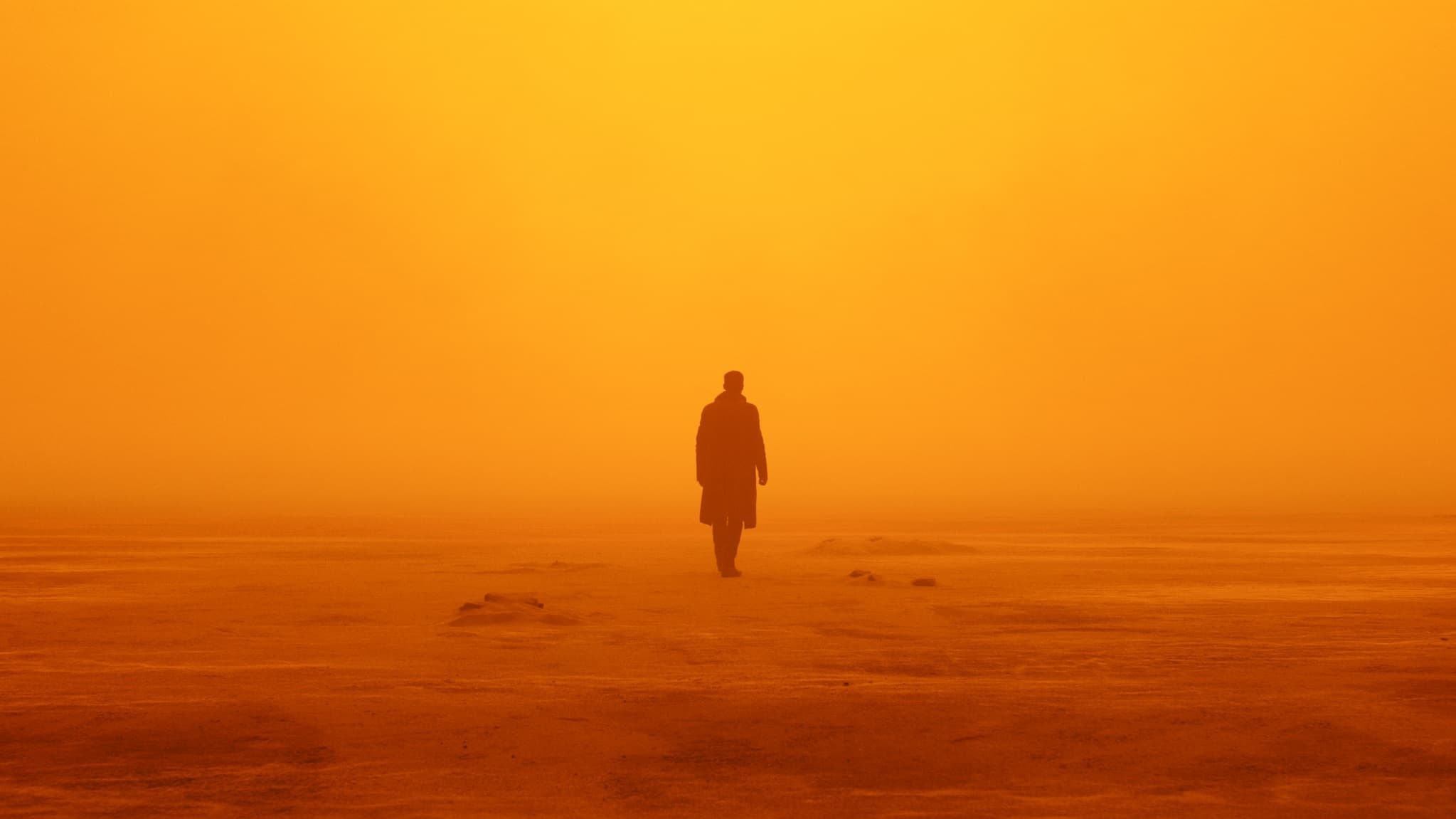
After 13 nominations, Deakins finally won his Oscar for Blade Runner 2049. Every frame justifies the wait. The neon-lit dystopia, the vast empty landscapes, the careful use of orange and teal—this is science fiction as fine art. Deakins created images that feel simultaneously futuristic and timeless.
The Revenant (2015)
Cinematographer: Emmanuel Lubezki
Lubezki won three consecutive Oscars (Gravity, Birdman, The Revenant), and The Revenant showcases his natural light philosophy at its most extreme. Shot primarily during “magic hour” in harsh conditions, the film transforms wilderness into character. The beauty is brutal.
1917 (2019)
Cinematographer: Roger Deakins
The technical achievement of appearing as one continuous shot shouldn’t overshadow how beautiful 1917 looks. Deakins and Sam Mendes choreographed every frame precisely while maintaining the chaos of war. The night-time flare sequence is painterly.
Roma (2018)
Cinematographer: Alfonso Cuarón
Cuarón served as his own cinematographer for this black-and-white memoir of 1970s Mexico City. The wide compositions invite you to explore the frame. Every shot is composed like a photograph, yet never static.
The Essential Classics
Lawrence of Arabia (1962)
Cinematographer: Freddie Young
The template for epic cinematography. Young’s desert vistas in 70mm Super Panavision remain unsurpassed. The match-cut from Lawrence extinguishing a match to the desert sunrise is one of cinema’s most famous transitions. Lawrence of Arabia demands the biggest screen you can find.
Barry Lyndon (1975)
Cinematographer: John Alcott
Stanley Kubrick famously shot entire scenes by candlelight, using NASA lenses designed for the moon. The result looks like 18th-century paintings come to life. Barry Lyndon’s deliberate pace matches its visual beauty—every frame could hang in a museum.
Days of Heaven (1978)
Cinematographer: Néstor Almendros
Almendros shot almost exclusively during magic hour, creating the golden wheat fields that define the film. Days of Heaven influenced generations of cinematographers. The locust sequence combines natural beauty with narrative devastation.
2001: A Space Odyssey (1968)
Cinematographer: Geoffrey Unsworth
2001 invented visual language for depicting space. The practical effects still outclass most CGI. Kubrick’s collaboration with Unsworth created images that feel both scientifically precise and mystically vast.
Contemporary Excellence
The Tree of Life (2011)
Cinematographer: Emmanuel Lubezki
Terrence Malick’s cosmic drama shifts between intimate childhood memories and the creation of the universe. Lubezki’s handheld work captures spontaneous moments while the cosmic sequences rival any effects blockbuster. The Tree of Life is cinematography as philosophy.
Mad Max: Fury Road (2015)
Cinematographer: John Seale
John Seale came out of retirement for Fury Road, and the result redefined action cinematography. The center-framing keeps viewers oriented during chaos. The practical stunts and saturated colors create sustained visual intensity.
In the Mood for Love (2000)
Cinematographer: Christopher Doyle
Wong Kar-wai and Doyle created a masterpiece of texture and restraint. In the Mood for Love is all rain-slicked streets, cigarette smoke, and slow-motion walks through narrow corridors. The romantic longing is visualized, not just acted.
The Assassination of Jesse James by the Coward Robert Ford (2007)
Cinematographer: Roger Deakins
Deakins’ most melancholic work. The Assassination of Jesse James uses natural light and period detail to create living paintings. The vignetting around frame edges gives everything a dreamlike quality.
Distinctive Visual Styles
Hero (2002)
Cinematographer: Christopher Doyle
Zhang Yimou’s martial arts epic uses color as narrative structure. Each flashback sequence has its own palette—red, blue, green, white. Hero proved that action films could be visually sophisticated.
Amélie (2001)
Cinematographer: Bruno Delbonnel
Amélie enhanced colors make Paris a fantasy version of itself. The greens and reds pop with storybook intensity. Delbonnel created a visual world as whimsical as the protagonist.
The Shape of Water (2017)
Cinematographer: Dan Laustsen
Guillermo del Toro’s fairy tale required a specific visual approach. Laustsen’s underwater greens and golds create romance from impossible circumstances. The Shape of Water proves beauty can emerge from darkness.
The Lighthouse (2019)
Cinematographer: Jarin Blaschke
Shot in 1.19:1 black-and-white on 35mm, The Lighthouse creates claustrophobic beauty through limitation. Every shadow is meaningful. The square frame confines the characters as much as the lighthouse itself.
What Makes Great Cinematography
Serving the Story
Beautiful images mean nothing if they don’t enhance narrative. The best cinematographers understand that every choice—lens, light, movement—communicates meaning.
Consistency
Great films maintain visual coherence. Color palettes, framing styles, and lighting approaches should feel unified throughout.
Innovation Within Tradition
The cinematographers here all know the rules before breaking them. Technical mastery enables creative risk.
Collaboration
Cinematography is never solo work. The best DPs collaborate deeply with directors, production designers, and colorists.
How to Appreciate Cinematography
Watch actively. Notice where the camera is positioned, how light falls on faces, what’s in focus.
Study frames. Pause on compositions that strike you. Ask why they work.
Learn the names. Follow cinematographers like you follow directors. Roger Deakins, Emmanuel Lubezki, Bradford Young, Hoyte van Hoytema—their work has distinctive signatures.
Watch on quality screens. Compression destroys subtle gradations. Where possible, see these films theatrically or on calibrated displays.
For more visually stunning films, browse our full collection and explore the work of the cinematographers mentioned here.
Discover Your Next Favorite Film
Browse our curated collection of movie trailers and find something new to watch tonight.
Browse Trailers