Getting Into Korean Cinema: A Starter Guide
The Reel Team
10 min read
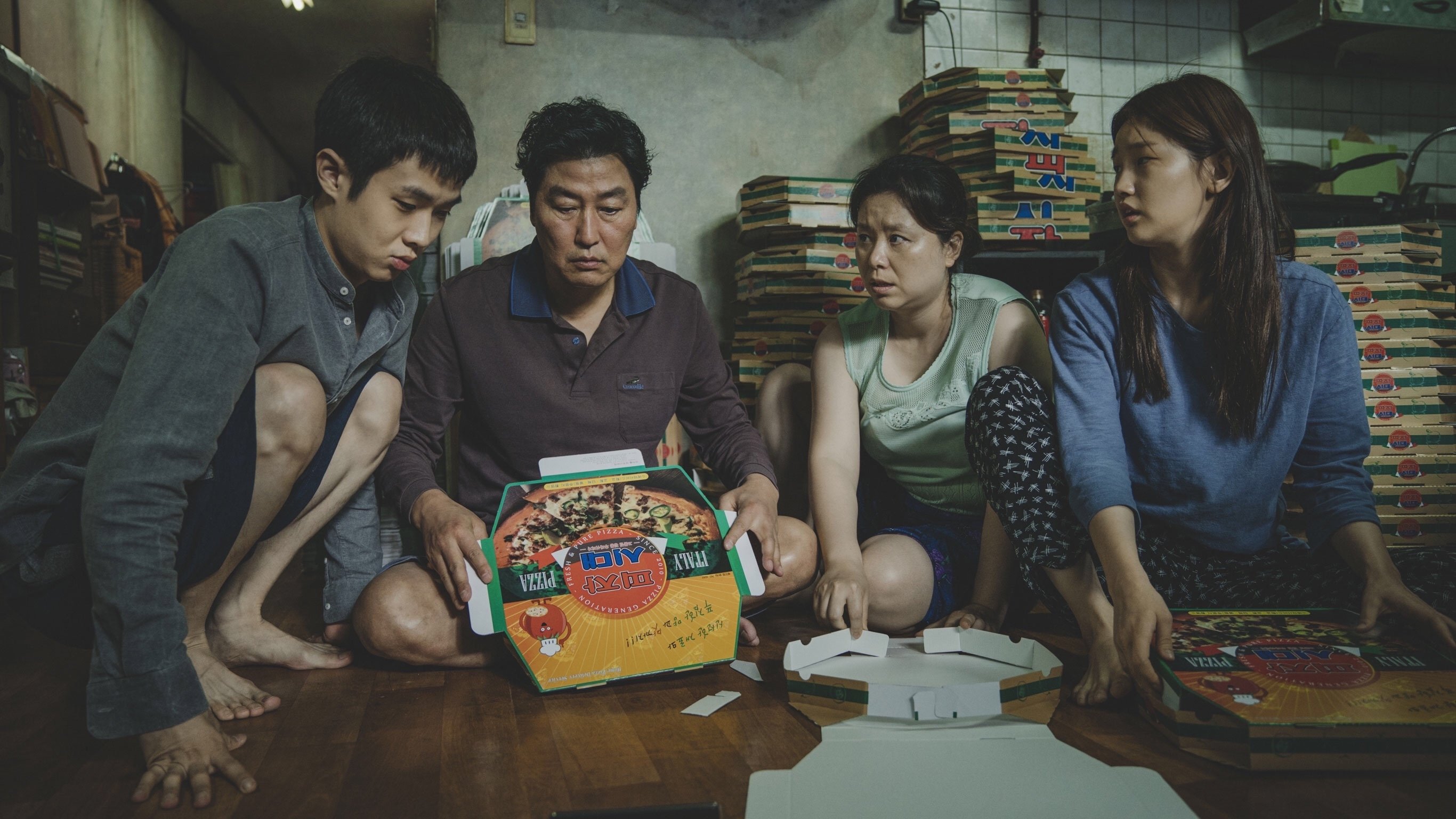
Korean cinema conquered the world when Parasite won Best Picture. But K-film had been building toward that moment for decades. Here’s your guide to a national cinema defined by genre-bending audacity and emotional intensity.
Why Korean Cinema?
Korean films share distinctive qualities:
- Genre fluidity: A thriller might become a comedy, then a tragedy, in one scene
- Emotional extremes: Unafraid of melodrama or violence
- Social commentary: Class, family, and Korean identity pervade even genre films
- Technical excellence: Among the world’s best cinematography and production values
If Hollywood feels safe, Korean cinema will shake you.
Essential Starting Points
Parasite (2019)
The obvious entry. Bong Joon-ho’s class warfare thriller shifts genres multiple times while maintaining control. You’ve probably seen it; if not, start here.
Why it’s essential: Masterfully constructed, endlessly rewatchable, and representative of Korean cinema’s tonal range.
Oldboy (2003)
A man imprisoned for 15 years without explanation seeks revenge. Park Chan-wook’s Vengeance Trilogy centerpiece features cinema’s most famous hallway fight—filmed in one take.
Why it’s essential: The film that put Korean cinema on the international map. Visceral, shocking, unforgettable.
Memories of Murder (2003)
Bong Joon-ho’s breakthrough follows detectives hunting Korea’s first serial killer in the 1980s. Based on real events (the case was unsolved for decades).
Why it’s essential: Bong’s signature tonal shifts appear fully formed. Comedy and horror coexist.
Train to Busan (2016)
A father and daughter are trapped on a train during a zombie outbreak. Genre entertainment elevated by character depth.
Why it’s essential: Proves Korean cinema can do blockbusters better than Hollywood.
The Handmaiden (2016)
Park Chan-wook’s erotic thriller involves con artists, heiresses, and colonial-era deception. Gorgeous and unpredictable.
Why it’s essential: Korean cinema’s visual style at its most refined.
By Genre
Thrillers
A Tale of Two Sisters (2003): Psychological horror about siblings returning home after institutionalization. Remade (poorly) as The Uninvited.
The Chaser (2008): A pimp searches for missing women, unaware he’s hunting a serial killer. Relentlessly tense.
I Saw the Devil (2010): A secret agent tortures his fiancée’s killer repeatedly. Extreme violence serves thematic purpose.
Drama
Poetry (2010): An elderly woman develops Alzheimer’s while discovering her grandson’s crime. Lee Chang-dong’s gentle devastation.
Burning (2018): A delivery worker reconnects with a childhood friend who’s now dating a wealthy man. Slow-burn mystery from Lee Chang-dong.
Oasis (2002): A man just released from prison falls for a woman with cerebral palsy. Uncomfortable and beautiful.
Crime
A Bittersweet Life (2005): A crime boss’s enforcer is betrayed after showing mercy. Stylish violence and melancholy.
The Man from Nowhere (2010): A mysterious ex-soldier rescues a child from drug traffickers. John Wick before John Wick.
New World (2013): An undercover cop deep in organized crime faces an uncertain succession. Korean Infernal Affairs.
Action
The Good, the Bad, the Weird (2008): Manchurian Western with comedic energy and spectacular action.
The Villainess (2017): An assassin-trained woman seeks revenge through complex action choreography.
Horror
A Tale of Two Sisters (mentioned above)
The Host (2006): A mutant creature emerges from Seoul’s Han River. Bong Joon-ho combines monster movie with family drama.
The Wailing (2016): A mysterious stranger arrives in a village where people start murdering their families. Nearly three hours of dread.
Essential Directors
Bong Joon-ho
Style: Genre fluidity, dark comedy, class critique Start with: Memories of Murder → The Host → Parasite
Park Chan-wook
Style: Aestheticized violence, baroque visuals, revenge themes Start with: Oldboy → Sympathy for Lady Vengeance → The Handmaiden
Lee Chang-dong
Style: Humanist drama, working-class subjects, devastating endings Start with: Poetry → Burning → Oasis
Kim Jee-woon
Style: Genre mastery, visual flair, tonal confidence Start with: A Tale of Two Sisters → I Saw the Devil → A Bittersweet Life
What to Expect
Violence: Korean cinema doesn’t flinch. Even comedies can turn brutal.
Length: Many Korean films run over two hours. Pace yourself.
Tonal shifts: A scene can be funny, then horrifying, then heartbreaking. This is intentional, not inconsistent.
Endings: Korean films rarely offer easy resolution. Prepare for ambiguity or tragedy.
Subtitles: Dubbing exists but ruins performances. Read subtitles.
The Korean Wave Beyond Film
If you like the films, explore:
K-Drama: Television series that share cinema’s emotional intensity. Start with Squid Game (obvious) or Kingdom (zombies in Joseon-era Korea).
K-Pop: The music industry’s visual style connects to film aesthetics.
Literature: Han Kang’s novels (The Vegetarian, Human Acts) share cinema’s emotional extremes.
Building Your Korean Cinema Education
Phase 1: Crowd-pleasers
- Parasite
- Train to Busan
- The Good, the Bad, the Weird
Phase 2: Acclaimed masters
- Oldboy
- Memories of Murder
- The Handmaiden
Phase 3: Challenging masterworks
- Burning
- Poetry
- I Saw the Devil
Phase 4: Deep exploration
- Early Kim Ki-duk
- Lee Chang-dong’s full catalog
- Documentary cinema
The State of Korean Cinema Now
Post-Parasite, Korean filmmakers face both opportunity and pressure. International money flows in; expectations rise. But the industry continues producing distinctive work that Hollywood struggles to replicate.
The genre-bending, the emotional intensity, the willingness to go dark—these qualities made Korean cinema vital. They’ll keep it vital as the world watches.
Start with Parasite if you haven’t. Then go deeper. Korean cinema rewards the journey.
Discover Your Next Favorite Film
Browse our curated collection of movie trailers and find something new to watch tonight.
Browse Trailers