10 Cosmic Movies Like Interstellar
Films.io Editorial
5 min read
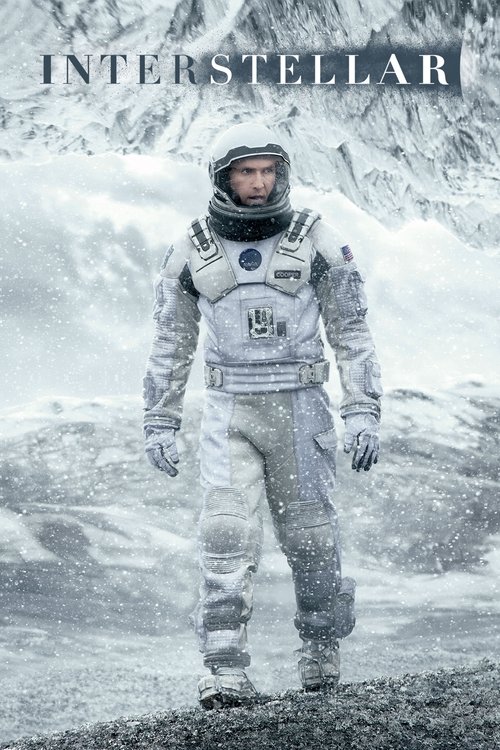
Christopher Nolan’s Interstellar hit different. Sure, it had the expected mind-bending physics and Hans Zimmer’s organ-heavy score, but what caught everyone off guard was how it made grown adults cry over a father trying to get back to his daughter. That emotional gut punch wrapped in hard science fiction created something special, and if you’re hunting for more movies that blend cosmic wonder with genuine heart, you’re in the right place.
The films on this list don’t just throw you into space and call it a day. They understand that the best science fiction uses the vastness of the universe to explore what makes us human. Some lean harder into the science, others into the emotion, but all of them share that quality that makes Interstellar so rewarding: they make you think while making you feel.
When Hard Science Meets Human Stories
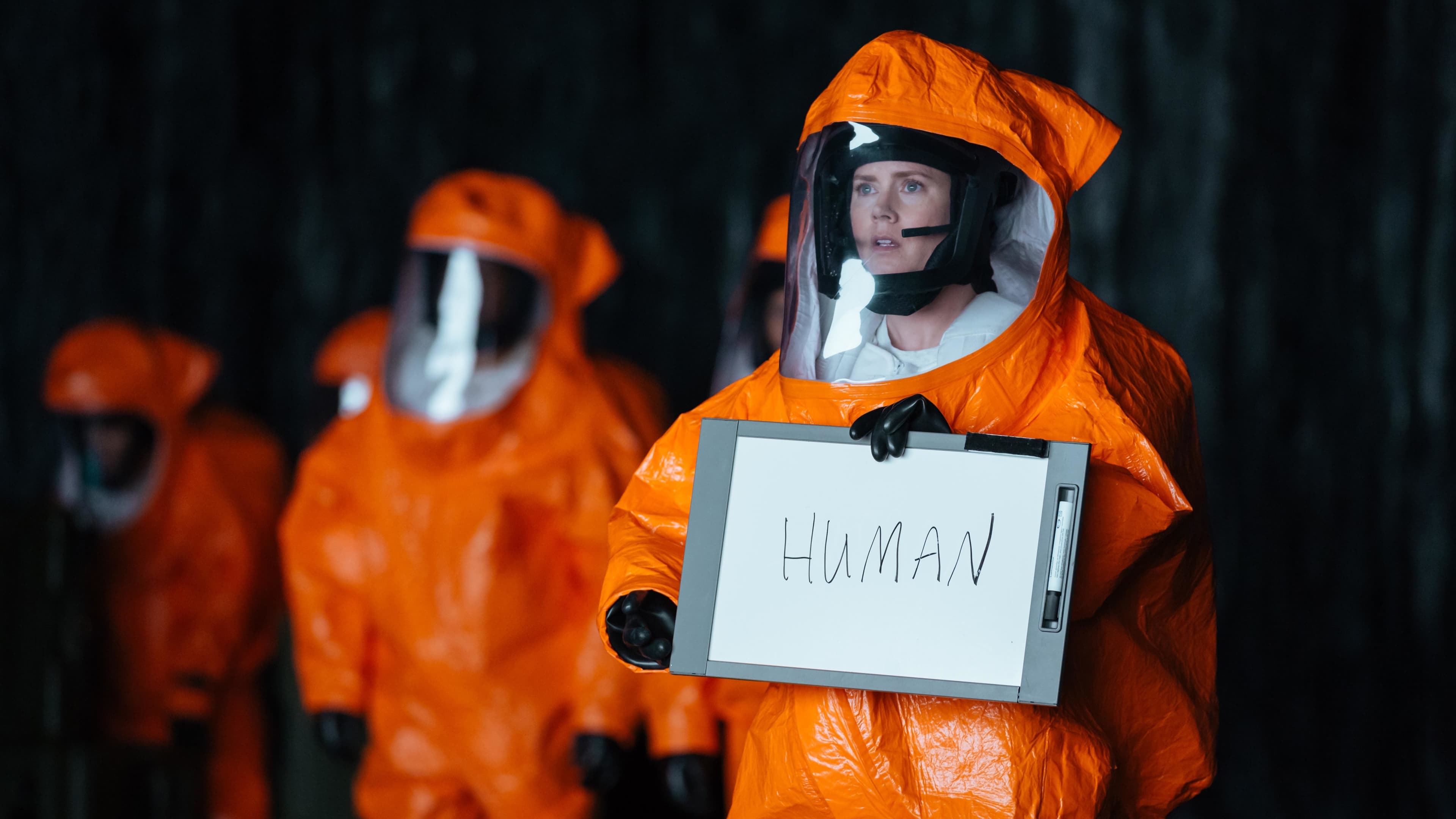
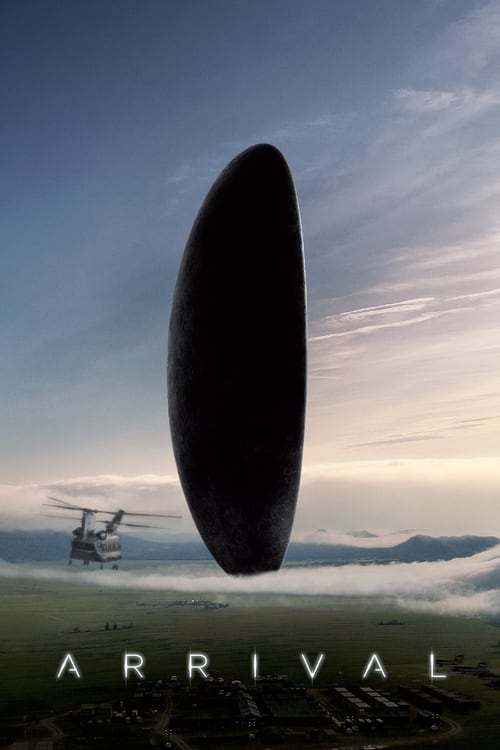
Arrival deserves the top spot here. Denis Villeneuve’s alien contact thriller operates on the same wavelength as Interstellar, using complex scientific concepts (in this case, linguistics and time perception) to explore love, loss, and what we’re willing to sacrifice for others. Amy Adams delivers a performance that rivals Matthew McConaughey’s Cooper, and the film’s treatment of time as non-linear echoes Interstellar’s most powerful moments.
Blade Runner 2049 might seem like an odd choice, but hear me out. Yes, it’s more noir than space opera, but Villeneuve’s sequel captures that same sense of cosmic loneliness that permeates Interstellar. Ryan Gosling’s K searching for meaning in a dying world mirrors Cooper’s journey through the void, and both films ask what makes us human when everything familiar is gone.
The original Contact (1997) practically writes itself onto this list. Carl Sagan’s story about humanity’s first contact with alien intelligence shares Interstellar’s commitment to scientific accuracy and its belief that love transcends space and time. Jodie Foster’s Dr. Arroway faces the same impossible choice Cooper does: leave everything behind for the sake of discovery and human progress.
The Emotional Weight of Space
Gravity (2013) strips space exploration down to its most primal elements: survival and the will to return home. Sandra Bullock’s Ryan Stone doesn’t travel through wormholes or meet future humans, but her journey from despair to hope captures the same emotional arc that makes Interstellar so effective. Both films understand that space isn’t just a setting; it’s a mirror that reflects our deepest fears and desires.
Ex Machina might not leave Earth, but it explores the same questions about consciousness and what makes us human. Alex Garland’s AI thriller shares Interstellar’s fascination with beings that transcend human understanding, and both films suggest that evolution, whether biological or artificial, is inevitable and potentially terrifying.
For something more recent, Everything Everywhere All at Once takes the multiverse concept and runs wild with it. While tonally different from Interstellar, both films center on parent-child relationships strained by impossible circumstances, and both use science fiction concepts to explore how love persists across dimensions, timelines, and realities.
Where Wonder Meets Warning
The Martian (2015) flips Interstellar’s premise: instead of leaving Earth to save humanity, Matt Damon’s Mark Watney fights to return to it. Ridley Scott’s survival story shares Nolan’s respect for scientific problem-solving and human ingenuity, though it trades cosmic horror for determined optimism.
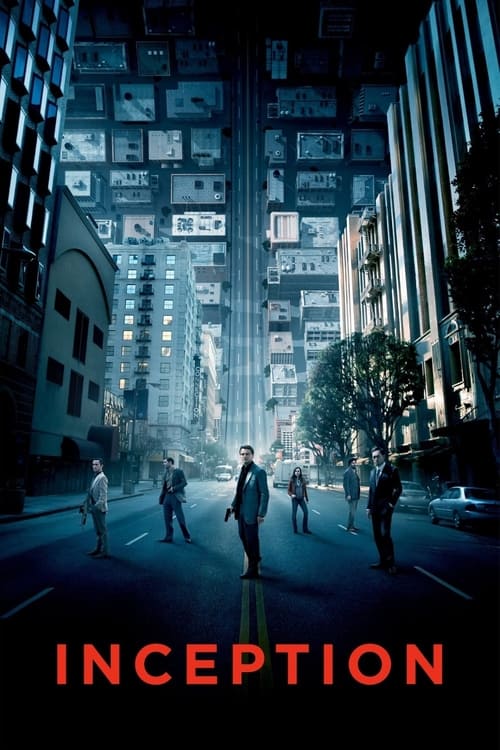
Inception is the obvious Nolan comparison, and while it deals with dreams rather than space, both films explore how time works differently in alternate realities. The emotional core of Dom Cobb trying to return to his children directly parallels Cooper’s journey, and both films suggest that love might be the only force powerful enough to transcend physical laws.
Moon (2009) deserves mention for its intimate take on space isolation. Sam Rockwell’s one-man show about a lunar miner nearing the end of his contract captures the loneliness that makes Interstellar’s Earth scenes so effective. Both films understand that the real drama happens in quiet moments when characters confront what they’ve lost.
The Harder Stuff
2001: A Space Odyssey remains the gold standard for intelligent space cinema. Kubrick’s meditation on human evolution and artificial intelligence laid the groundwork for everything Interstellar attempts, though Stanley’s approach values mystery over explanation. If you can handle the slow pace, it’s essential viewing.
For something that matches Interstellar’s scope and ambition, Cloud Atlas (2012) weaves multiple storylines across centuries to explore how actions echo through time. The Wachowskis and Tom Tykwer’s adaptation shares Nolan’s belief that love and sacrifice resonate across generations, even if it trades space travel for reincarnation.
Look, not every movie on this list will hit you the same way Interstellar did. That film caught lightning in a bottle by balancing hard science with genuine emotion, cosmic scope with intimate family drama. But each of these films understands that the best science fiction doesn’t just show us the future or distant worlds. It shows us ourselves, reflected in the vast darkness of space, still reaching for something better.
Discover Your Next Favorite Film
Browse our curated collection of movie trailers and find something new to watch tonight.
Browse Trailers