12 Gripping Movies Like Parasite
Films.io Editorial
5 min read

Bong Joon-ho’s Parasite didn’t just win Best Picture. It changed how we think about class, family, and the stories we tell ourselves about social mobility. The film’s blend of dark comedy, social commentary, and genre-bending thrills created something entirely new, but if you’re craving more movies that pack the same punch, you’re in luck. These twelve films deliver that same mix of sharp social observation and nail-biting tension.
Korean Cinema’s Class Warriors
Let’s start with Korean filmmakers who understand class struggle like Bong Joon-ho. Burning (2018) takes a completely different approach but cuts just as deep. Lee Chang-dong’s slow-burn thriller follows a young man caught between his working-class roots and the mysterious wealthy world of his childhood friend’s new boyfriend. The film builds dread so gradually you won’t realize you’re holding your breath until the final act.
The Handmaiden (2016) might seem like a period piece, but Park Chan-wook’s erotic thriller is really about how the powerful exploit everyone beneath them. The film’s three-act structure peels back layers of deception, revealing how even the servants have their own schemes. It’s gorgeous, twisted, and surprisingly funny when it wants to be.
For something more recent, Decision to Leave (2022) shows Park Chan-wook still has it. This detective story becomes a meditation on obsession and class differences. The cop investigating a case becomes entangled with the widow of the victim, and their relationship exposes how differently the wealthy and working class experience grief, justice, and love.
International Takes on Social Commentary
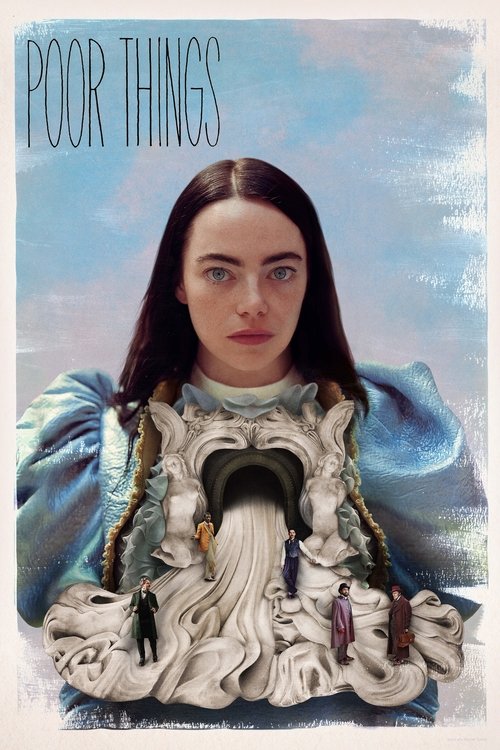
Poor Things shares Parasite’s willingness to make audiences uncomfortable while they laugh. Yorgos Lanthimos creates a world where social conventions get flipped upside down. Emma Stone’s Bella discovers agency in a society designed to suppress it, much like how the Kim family in Parasite refuses to stay in their assigned place.
Sorry to Bother You (2018) goes full surreal with its class commentary. Boots Riley’s debut starts as a workplace comedy about a telemarketer who discovers his “white voice,” then transforms into something much weirder and more pointed. Like Parasite, it uses genre elements to make serious points about capitalism and racial dynamics.
From Mexico, New Order (2020) presents a brutal vision of class warfare. Michel Franco’s film imagines what happens when the social contract completely breaks down. It’s more violent and pessimistic than Parasite, but both films share an understanding that the current system can’t hold forever.
Thrillers That Dig Deep
Ready or Not (2019) takes the rich-versus-poor dynamic and adds supernatural horror elements. Samara Weaving’s bride discovers her new in-laws’ deadly tradition, creating a literal survival story about marrying into wealth. It’s more straightforward than Parasite, but the social commentary hits hard between the scares.
Get Out revolutionized horror by making racism the monster. Jordan Peele’s film shares Parasite’s ability to build tension through social observation. Both movies show how seemingly polite, liberal wealthy people can be just as dangerous as obvious villains. The difference is in the method, not the outcome.

Knives Out (2019) updates the murder mystery for modern class anxieties. Rian Johnson creates a family of wealthy jerks whose secrets get exposed by their immigrant caregiver and a detective who sees through their performative progressivism. Like Parasite, it finds dark humor in watching the privileged squirm.
Genre-Bending Social Horror
Hereditary and Parasite both use family dysfunction to explore deeper horrors. Ari Aster’s film focuses on grief and trauma rather than class, but both movies understand how family secrets can destroy everyone involved. The horror comes from watching people you care about make increasingly desperate choices.
Us (2019) is Jordan Peele’s follow-up to Get Out, and it’s even more ambitious in its social commentary. The film’s underground doubles represent all the people society ignores or exploits. Like Parasite’s semi-basement family, they’ve been living in the shadows, and now they want what’s theirs.
For something completely different but equally smart, Everything Everywhere All at Once uses multiverse chaos to explore immigrant family dynamics and generational trauma. It’s more hopeful than Parasite, but both films understand how external pressures can tear families apart or bring them together.

Why These Movies Hit Different
What makes these films special isn’t just their social commentary. Like Parasite, they trust their audiences to think while they’re being entertained. They don’t spell out their messages with heavy-handed dialogue or obvious metaphors. Instead, they let the story and characters do the work.
These movies also share Parasite’s understanding that real horror often comes from ordinary situations pushed to their breaking point. Whether it’s a job interview gone wrong or a dinner party that reveals too much, the scariest moments happen when the mask slips and we see what people are really thinking.
If Parasite left you hungry for more films that blend entertainment with substance, any of these twelve movies will scratch that itch. Just don’t expect to feel completely comfortable while you watch them. The best social thrillers never let you off the hook that easily.
Discover Your Next Favorite Film
Browse our curated collection of movie trailers and find something new to watch tonight.
Browse Trailers