Whiplash: What Are You Willing to Sacrifice for Greatness?
Films.io Editorial
5 min read
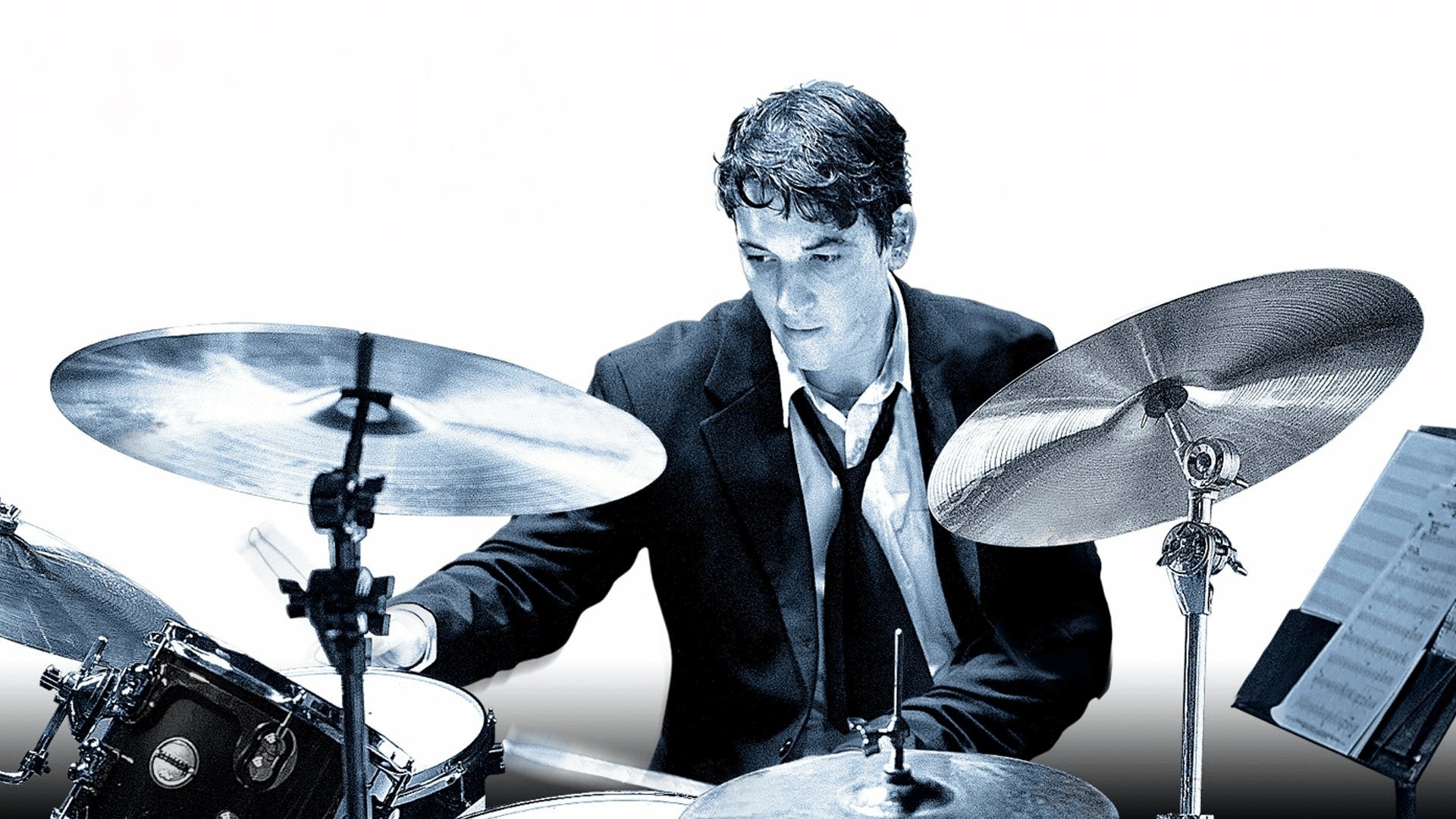
The first time Terence Fletcher throws a chair at Andrew Neiman’s head, you think you’re watching a movie about an abusive teacher. By the end, you’re not sure who’s the villain anymore. That’s the twisted genius of Whiplash.
Damien Chazelle made this film before La La Land, before First Man, before Babylon. He was 28 years old. He based it partly on his own experiences in a competitive high school jazz band. The trauma feels firsthand.
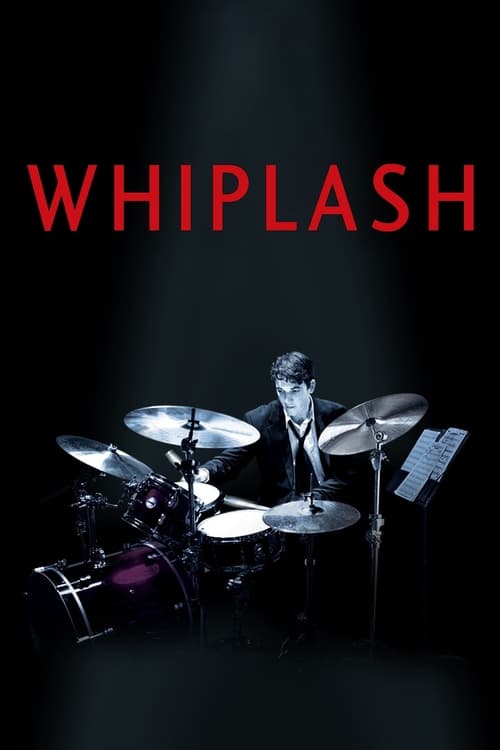
Not Quite My Tempo
J.K. Simmons won every award possible for playing Fletcher, and he deserved all of them. But watch the film again and notice how little he actually appears in the first act. Chazelle understands that terror is about anticipation.
Fletcher’s teaching method is simple: push students past their breaking point until they either quit or transcend their limitations. He screams. He hurls homophobic slurs. He manipulates. He plays mind games. And occasionally, very occasionally, he offers a word of genuine encouragement that feels like sunlight breaking through storm clouds.
The most chilling thing about Fletcher is that his method works. The students who survive his abuse become exceptional musicians. The question the film asks is whether that excellence is worth the human cost.
Miles Teller’s Hands
Pay attention to Andrew’s hands throughout the film. They start clean and smooth. By the end, they’re bloody, calloused, wrapped in tape. He dunks them in ice water between practice sessions. The drumsticks slip in his grip because of the blood.
Teller actually learned to play drums for this role, and Chazelle films him with an almost fetishistic attention to physical detail. The sweat. The veins standing out on his forearms. The involuntary flinch every time Fletcher enters a room.
Andrew sacrifices everything for his drumming. His girlfriend. His relationship with his father. His mental health. His actual health. The film never lets you forget that greatness has a price, and someone has to pay it.
The Dinner Table Scene
There’s a scene midway through where Andrew has dinner with his father and extended family. His cousins talk about their achievements: football scholarships, college acceptances. Andrew mentions his jazz band, and nobody cares.
Then Andrew snaps. He starts attacking his cousins’ mediocrity. Division III football? Who cares? A model UN award? Meaningless. He’d rather die drunk and broke at 34 like Charlie Parker than live a comfortable anonymous life.
It’s an ugly scene. Andrew is being cruel to people who haven’t done anything wrong. But Chazelle lets you understand where the cruelty comes from. Andrew has internalized Fletcher’s worldview. Either you’re great or you’re nothing.
That Ending
The final performance is one of the most intense sequences ever filmed. Fletcher tricks Andrew into showing up at a concert unprepared. He’s trying to destroy Andrew’s career. Andrew walks offstage humiliated.
And then he walks back on.
What follows is a nine-minute drum solo that represents either Andrew’s triumph or his final surrender to Fletcher’s philosophy, depending on how you read it. Father and son lock eyes as Andrew plays beyond his limits. Fletcher starts conducting, genuinely helping for the first time. They’re connected by something that looks almost like love but is definitely toxic.
The film ends on Fletcher’s approving nod. No dialogue. No explanation. Just two damaged people who have finally found what they were looking for in each other.
Is Fletcher Right?
This is where discussions of Whiplash get heated. Some people think the ending validates Fletcher’s abuse. He produced a great musician. His methods worked.
But look at the cost. We see another former student commit suicide (heavily implied to be because of Fletcher). Andrew has destroyed every healthy relationship in his life. He’s bleeding through his hands. The greatness he achieves comes at the expense of everything that makes life worth living.
I think Chazelle is deliberately ambiguous because the question has no easy answer. Some people believe you can achieve excellence through kindness and support. Others think that’s naive, that real greatness requires suffering.
The film doesn’t tell you which side is right. It just shows you the consequences and lets you decide.
Jazz as Violence
Chazelle shoots the musical performances like action sequences. The camera whips around. The editing is aggressive. The drumming sounds like assault, not art.
This was intentional. In interviews, Chazelle said he wanted the music to feel dangerous. Not the romantic image of jazz from old movies, but something primal and violent. When Andrew plays, he’s not expressing joy. He’s going to war.
The sound design emphasizes this. You hear every stick impact, every cymbal crash, every grunt of effort. It’s exhausting to watch. You feel physically tired by the end because Chazelle has made you experience the music in your body.
A Film That Stays With You
I first saw Whiplash in 2014. I’ve thought about it at least once a week since then. Every time I push myself too hard at work, every time I wonder if the sacrifice is worth it, Fletcher’s face appears in my mind.
That’s what great movies do. They don’t just entertain you for two hours. They move into your brain and redecorate. Films like Parasite and Oppenheimer have the same effect.
Were you rushing or were you dragging? After ten years, I’m still not entirely sure.
For more intense character studies, see The Dark Knight and There Will Be Blood. Explore our drama collection.
Discover Your Next Favorite Film
Browse our curated collection of movie trailers and find something new to watch tonight.
Browse Trailers