Parasite: The Class Warfare Masterpiece That Conquered Hollywood
Films.io Editorial
5 min read
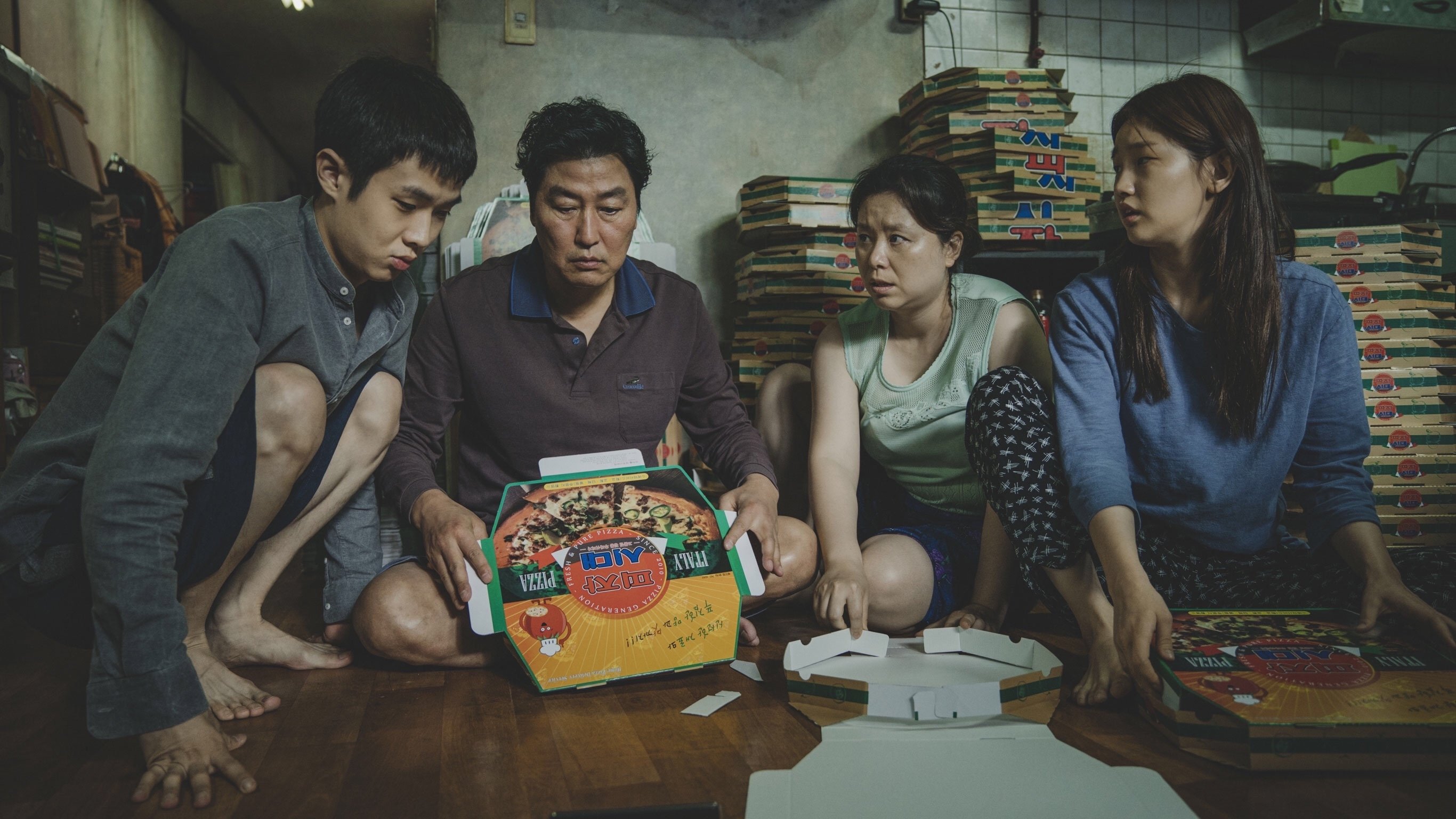
The Parks live at the top of a hill. The Kims live in a semi-basement where drunks urinate outside their window. Bong Joon-ho spends two hours exploring what happens when these two families collide, and somehow turned it into the first non-English language film to win Best Picture at the Oscars. Like Past Lives, it’s Korean cinema at its finest.
There’s been a lot written about Parasite since its 2019 release. But I keep coming back to one thing: the smell.
You Can’t Hide Where You Come From
Throughout the film, the wealthy Park family keeps mentioning that the Kim family members all smell the same. They can’t quite place it. It’s not unpleasant, just… distinctive. The Kims overhear this and scrub themselves raw trying to eliminate whatever scent betrays their poverty.
It’s a brutal detail. You can change your clothes. You can learn to speak differently. You can fake credentials and references. But you can’t fake the smell of a home that floods when it rains, where the toilet sits higher than your bed.
Bong understands that class isn’t just about money. It’s encoded into our bodies in ways we can’t control or hide.
The House as Character
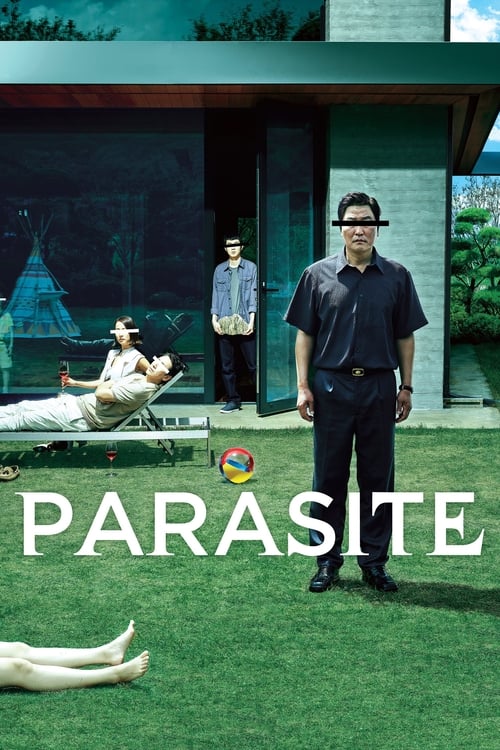
The Park house was built specifically for this film, and every detail matters. The architect designed it with a theory that the wealthier you are, the more horizontal space you occupy. Poor people live vertically, stacked on top of each other in apartment buildings. Rich people spread out.
Watch how Bong uses the stairs. The Kims are always climbing, struggling upward. The Parks float through their horizontal existence. And then there’s that other staircase, the one that leads down into the basement. The one that reveals the film’s central secret.
I won’t spoil it if you haven’t seen it. But the way Bong gradually reveals the full picture of who lives in that house remains one of the most perfectly constructed reveals in modern cinema.
Nobody Is Innocent
Here’s where Parasite gets complicated. The Parks aren’t villains. They’re nice. They pay well. They’re polite to the help. Mrs. Park even says she’s “nice because she’s rich,” as if her wealth enables her kindness.
And the Kims? They’re not innocent victims either. They lie. They manipulate. They destroy other people’s lives to improve their own. When Ki-woo fakes his credentials to become the Park children’s tutor, he sets off a chain of events that will ruin multiple families.
Bong refuses to let anyone off the hook. The Parks are clueless about their privilege but not malicious. The Kims are desperate but not blameless. Everyone makes choices that hurt other people. The system is the villain, but the characters still bear responsibility for their actions.
That Party Scene
The centerpiece of Parasite is an extended sequence where the Parks go camping and the Kims take over their house. What starts as a celebration of their con turns into a nightmare when the Parks return early.
The next twenty minutes are the most tense I’ve ever experienced in a theater. The Kims scramble to hide evidence of their presence while the Parks settle in just feet away. Bong shoots it like a heist film crossed with a horror movie. You’re simultaneously rooting for the Kims to escape and dreading what will happen if they don’t.
The Flood
After barely escaping the Park house, the Kim family returns home to find their semi-basement completely flooded. Raw sewage covers everything they own. They spend the night in a gymnasium with hundreds of other displaced poor people while the Parks sleep soundly at the top of the hill.
The next morning, the Parks throw an impromptu birthday party. The weather is beautiful. They comment on how the rain “cleaned the air.” They have no idea what that same rain did to people living below them.
Bong doesn’t editorialize. He just shows both realities side by side. The contrast says everything.
An Ending Without Answers
Parasite’s final act is violent and confusing and refuses to offer easy resolutions. The closing scene shows Ki-woo making a plan that the film itself suggests is impossible. It’s a fantasy of upward mobility, a dream he’ll probably never achieve.
Some viewers find this ending frustrating. I think it’s perfect. Bong isn’t interested in solutions because there are no easy solutions. Poverty isn’t a problem you solve with one dramatic act. It’s a system that perpetuates itself across generations.
Ki-woo’s plan is beautiful precisely because it’s doomed. Hope persists even when the math doesn’t work out.
Breaking the Subtitle Barrier
Parasite winning Best Picture felt like a watershed moment. Here was a Korean film with subtitles that required actual attention, and mainstream American audiences embraced it. The Academy, notorious for ignoring foreign language films, gave it the top prize.
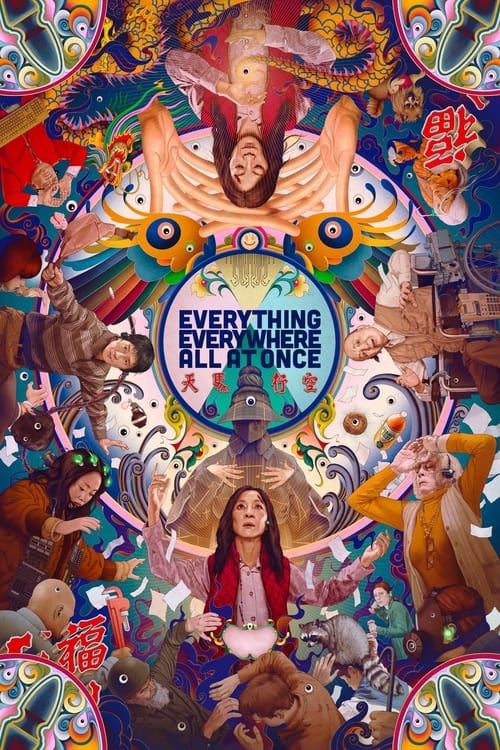
It proved that universal stories told with specificity can cross any barrier. You don’t need to understand Korean society to understand what it feels like to climb endless stairs while other people ride elevators. Everything Everywhere All at Once would follow in its footsteps, another boundary-breaking Best Picture winner.
Five years later, I still think about that smell. The one you can’t wash off no matter how hard you try.
For more Korean cinema, check out Oldboy. Explore our thriller and drama collections.
Discover Your Next Favorite Film
Browse our curated collection of movie trailers and find something new to watch tonight.
Browse Trailers