Poor Things Review: A Surreal Feminist Fable
Yorgos Lanthimos crafts his most accessible and audacious film
The Reel
8 min read
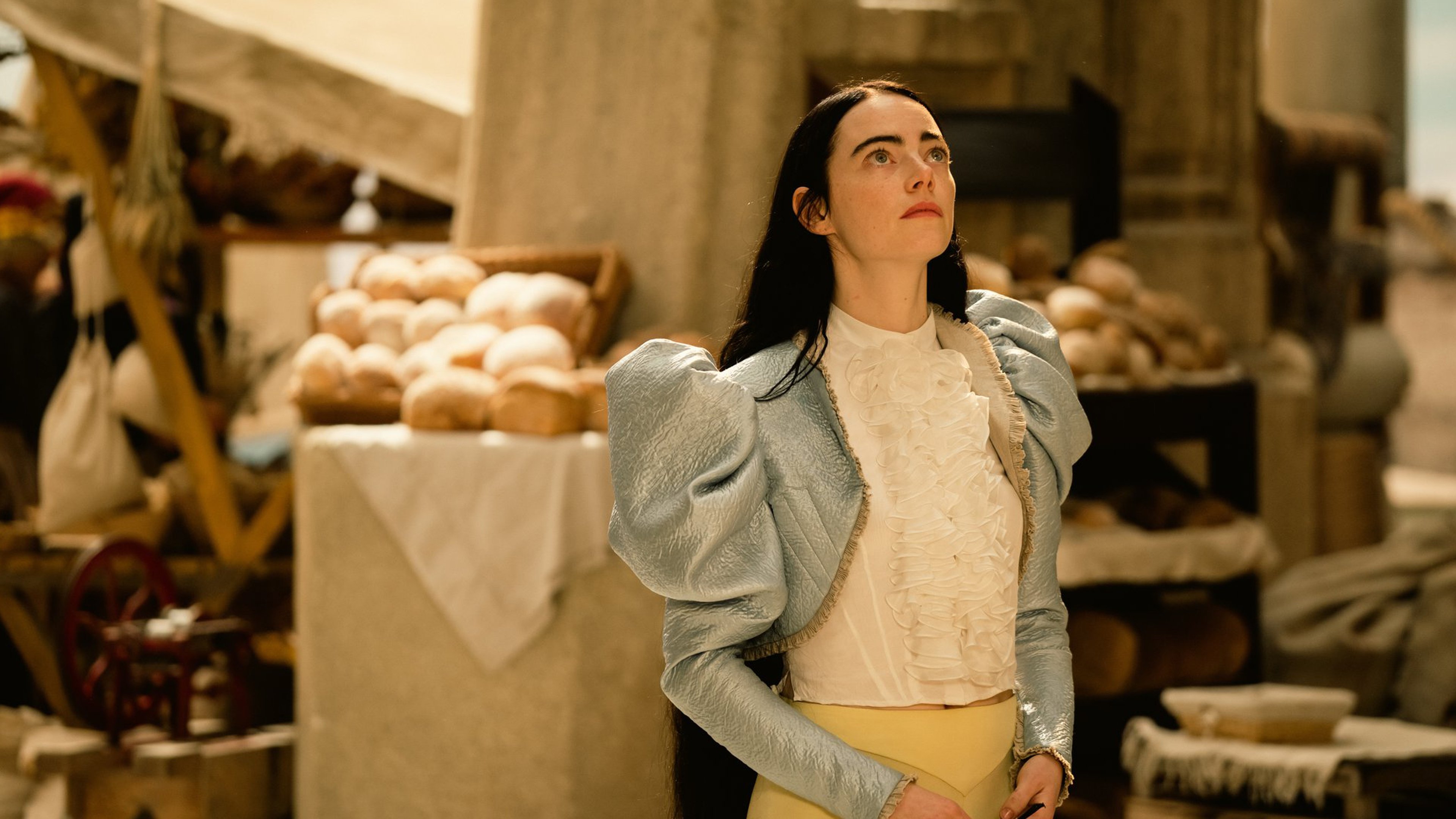
Yorgos Lanthimos has built a career on discomfort. From The Lobster to The Favourite, his films create worlds where human behavior follows alien logic. Poor Things maintains his signature strangeness while delivering something unexpectedly joyful: a coming-of-age story about a woman who refuses to accept the world’s limitations.
Emma Stone won her second Oscar for playing Bella Baxter, and she earns every bit of it.
The Premise
Bella is a young woman reanimated by the eccentric Dr. Godwin Baxter (Willem Dafoe) after he transplants her unborn child’s brain into her adult body. She begins life with an infant’s understanding, rapidly developing through childhood, adolescence, and adulthood in compressed time.
This premise could be played for horror or exploitation. Lanthimos chooses wonder instead. Bella experiences everything fresh: food, movement, language, sexuality, injustice. Her discoveries are ours.
Emma Stone’s Transformation
Stone’s physical performance is extraordinary. Early Bella moves with jerky uncoordination, her face registering each new sensation with uncomplicated intensity. As she develops, her movements smooth, her expressions complexify, but traces of that original directness remain.
The performance requires Stone to play multiple developmental stages simultaneously while maintaining Bella’s essential character: fierce curiosity, absence of shame, refusal to accept arbitrary limits. It’s virtuosic work that never feels like showing off.
The Visual World
Lanthimos and cinematographer Robbie Ryan create a world that exists nowhere in history. Victorian architecture warps into surrealist fantasy. Interiors shift from black-and-white to saturated color as Bella’s perception expands.
Lisbon, Paris, and Alexandria become playgrounds of impossible architecture and theatrical lighting. The artificiality is the point: we’re seeing reality as Bella perceives it, colored by wonder and unmarked by cynicism.
Sex and Agency
Poor Things treats sex with unusual frankness. Bella discovers her body’s capacity for pleasure and pursues it enthusiastically, much to the discomfort of men who expect female sexuality to operate by their rules.
This could easily become uncomfortable. Bella begins with a child’s brain, after all. But Lanthimos handles the material carefully. Bella’s sexual awakening happens as her intellect develops. She’s never exploited; she’s exploring.
The film argues that sexual shame is taught, not innate. Bella’s lack of it disturbs those around her precisely because it exposes their own conditioning.
Duncan Wedderburn
Mark Ruffalo plays the dissolute lawyer who spirits Bella away for adventures, expecting a compliant companion. Instead, he’s slowly destroyed by her independence.
Duncan’s arc is darkly comic. His masculine authority depends on women needing him. Bella needs nothing. She enjoys him until she doesn’t, then moves on. His collapse into jealousy and desperation exposes the fragility beneath his bravado.
Social Commentary
As Bella travels, she encounters poverty, prostitution, cruelty, philosophy. Each confrontation shapes her ethics. She doesn’t accept the world’s injustices as inevitable.
The brothel sequence is particularly sharp. Bella works there not from desperation but from choice, finding the economics reasonable and the work interesting. The film neither condemns nor glamorizes; it simply refuses the usual moralizing.
Dafoe’s God
Willem Dafoe’s Dr. Baxter is literally Bella’s creator, and she calls him “God.” But he’s a benevolent god, scarred by his own father’s cruelty, determined to let Bella develop freely.
Their relationship inverts typical creation narratives. God doesn’t demand worship or obedience. He sets his creation loose and accepts what she becomes. The theological implications are quietly radical.
Lanthimos’s Growth
Poor Things finds Lanthimos at his most accessible without sacrificing his distinctive vision. The deadpan cruelty of The Lobster softens here. The court intrigue of The Favourite becomes broader comedy.
But his themes continue: power structures, bodily autonomy, the violence of social convention. He’s simply found a protagonist who can challenge these systems with joy rather than suffering.
The Source Material
Alasdair Gray’s novel provided the framework, though Lanthimos and screenwriter Tony McNamara transformed it significantly. Gray’s Frankenstein riff becomes something more hopeful, a creation story where the created being surpasses her creator without tragedy.
Final Thoughts
Poor Things is a film about becoming a person, with all the messiness that implies. Bella makes mistakes, causes pain, learns and grows. She ends the film as herself, shaped by experience but owned by no one.
In a cultural moment often paralyzed by purity tests and correct positions, Bella’s freedom feels radical. She doesn’t ask permission to exist. She simply does, loudly and joyfully and on her own terms.
For more unconventional character studies, browse our drama collection and explore Lanthimos’s other work including The Favourite and The Lobster.
Discover Your Next Favorite Film
Browse our curated collection of movie trailers and find something new to watch tonight.
Browse Trailers