Every Spider-Man Movie Ranked
Films.io Editorial
5 min read
Look, ranking every Spider-Man movie is like trying to choose your favorite pizza topping - everyone’s got strong opinions, and someone’s always going to be mad about where you put pineapple. But after decades of web-slinging across different universes, actors, and studios, we’ve got enough Spidey content to fill a comic book convention. From Tobey’s earnest everyman to Tom’s high-tech teenager, each Spider-Man brings something different to the table.
The beauty of having multiple Spider-Men isn’t just the memes (though those are pretty great). It’s watching different filmmakers interpret the same core character through completely different lenses. Some lean into the science, others into the emotion. Some go dark, others stay light. But they’re all trying to capture that essential Peter Parker magic - the regular guy who gets extraordinary powers and learns that with great power comes great responsibility.
The Raimi Era - Setting the Standard
Sam Raimi’s trilogy walked so every other superhero movie could run. Spider-Man 2 stands tall as not just the best Spider-Man movie, but one of the greatest superhero films ever made. The train sequence alone is worth the price of admission, but it’s the quieter moments that make it sing. Peter Parker losing his powers because he’s emotionally conflicted? That’s real character work right there.
Tobey Maguire’s Peter perfectly captured the awkward, relatable everyman who just happens to fight crime. When he takes off his mask on that subway car after saving everyone, and those New Yorkers promise to keep his secret? That moment hits different every time. Alfred Molina’s Doc Ock remains the gold standard for comic book villains - tragic, complex, and genuinely terrifying.
The original Spider-Man deserves credit for proving superhero movies could be both spectacular and sincere. Yes, some of the effects haven’t aged well, but the emotional core remains solid. Willem Dafoe chewing scenery as Norman Osborn is pure comic book villainy at its finest. The upside-down kiss is iconic for a reason.
Spider-Man 3, though? That’s where things get messy. The film tries to juggle too many villains, too many plotlines, and yes, that dance sequence. But even Raimi’s weakest entry has moments of genuine brilliance - the birth of Sandman sequence is beautiful, and the final confrontation with Harry hits the right emotional notes. It’s overstuffed, but it’s overstuffed with heart.
The Webb Films - Love in the Time of Lizards
The Amazing Spider-Man movies get unfairly dismissed, but Andrew Garfield brought a different energy to Peter Parker. His Spider-Man has more swagger, more confidence in the costume. The chemistry between Garfield and Emma Stone as Gwen Stacy crackles with genuine affection - you believe these two are falling for each other.
The Amazing Spider-Man benefits from better action sequences and a Peter who feels more naturally gifted. The first-person swinging shots put you right in the web-shooters. But it suffers from having to retell an origin story everyone already knew, just five years after Raimi’s version.
The Amazing Spider-Man 2 swings for the fences and mostly misses, but when it connects, it connects hard. Gwen’s death scene is devastating because Stone and Garfield sell the relationship so completely. The film’s biggest sin isn’t its villains or its plot - it’s that it feels like a two-hour trailer for movies we’d never get to see. The sinister six setup, the hints at larger mysteries - it’s all setup with no payoff.
The MCU Integration - Coming Home
Tom Holland’s Spider-Man gets to skip the origin story entirely, and the films are better for it. We don’t need to see Uncle Ben die again (though the films’ reluctance to even mention him feels weird). Spider-Man: Homecoming works because it remembers Peter Parker is a teenager. He makes teenager mistakes, has teenager problems, and faces teenager consequences.
The twist that Michael Keaton’s Vulture is Liz’s dad? That’s good screenwriting. The scene where Adrian Toomes pieces together Peter’s identity during the car ride is tense as hell. Keaton brings working-class menace to the role - this isn’t a world-ending threat, just a dad trying to provide for his family through questionable means.
Spider-Man: Far From Home stumbles by making Peter inherit Tony Stark’s legacy instead of forging his own path. The film works better as a European vacation comedy than as a superhero story. Jake Gyllenhaal’s Mysterio is perfectly cast, but the illusion sequences go on too long. The best moments happen when Peter’s just being a confused teenager trying to tell a girl he likes her.
Spider-Man: No Way Home is pure fan service, and sometimes that’s exactly what you want. Bringing back Tobey and Andrew was a risky move that somehow works. Seeing the three Spider-Men work together, sharing their experiences and trauma, gives the film emotional weight beyond the spectacle. When Andrew’s Spider-Man saves MJ, it’s not just good action - it’s character healing.
The Animated Revolution
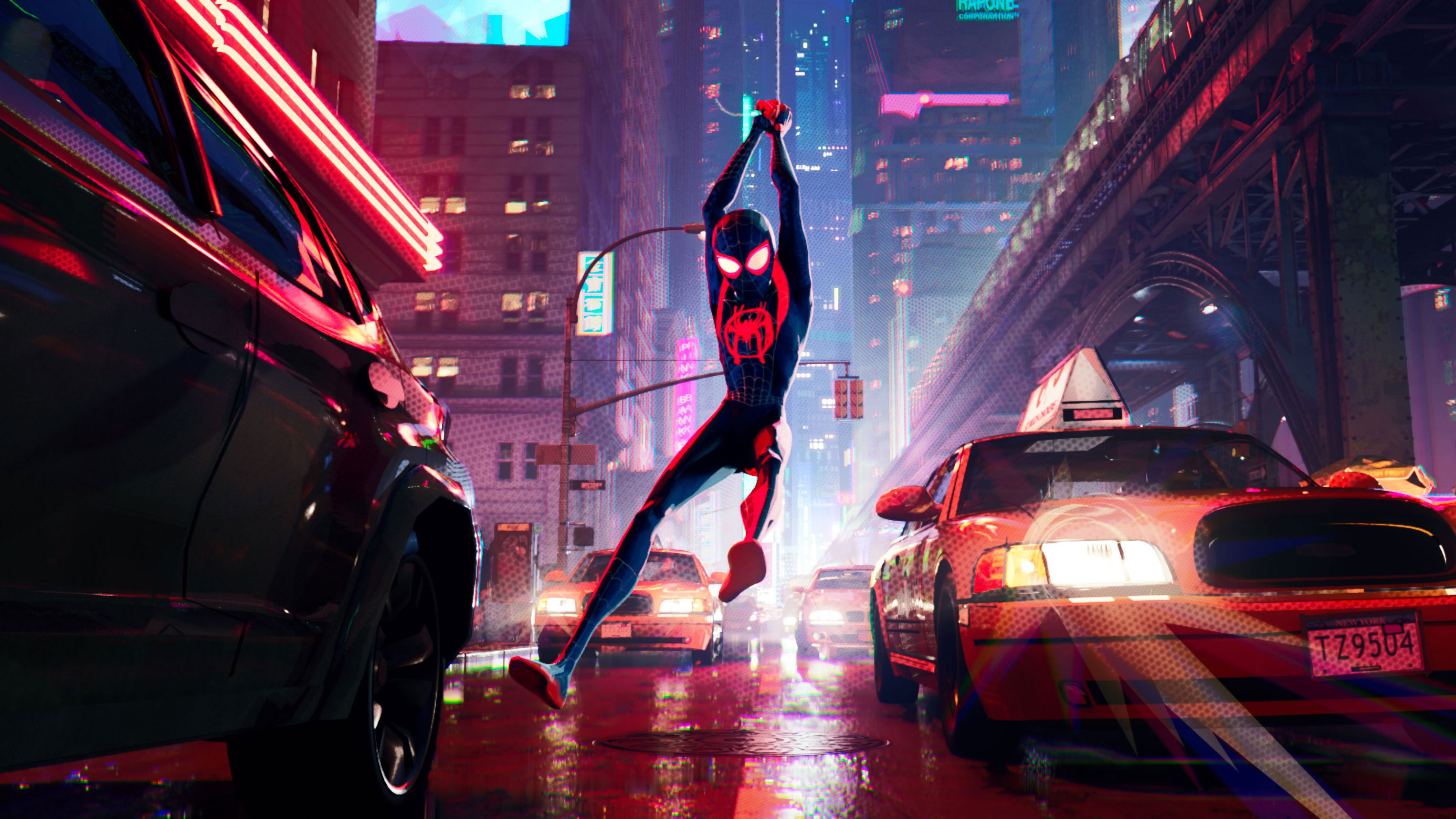
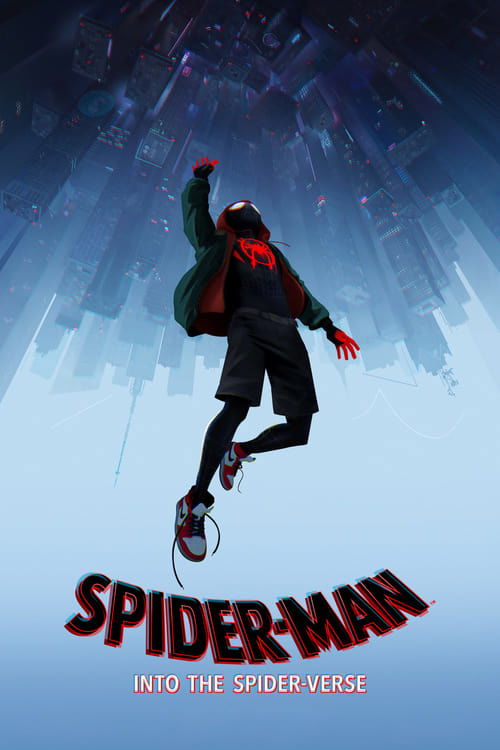
Spider-Man: Into the Spider-Verse changed everything. The animation style alone deserved an Oscar, but the film succeeds because it remembers Spider-Man’s core appeal - anyone can wear the mask. Miles Morales gets his own journey while honoring what came before. The voice cast brings distinct personalities to each Spider-person without making it feel cluttered.
The film’s emotional beats land because they’re earned. When Miles finally puts on the suit and swings through Brooklyn, you feel his confidence click into place. The “leap of faith” isn’t just about trusting his powers - it’s about trusting himself.
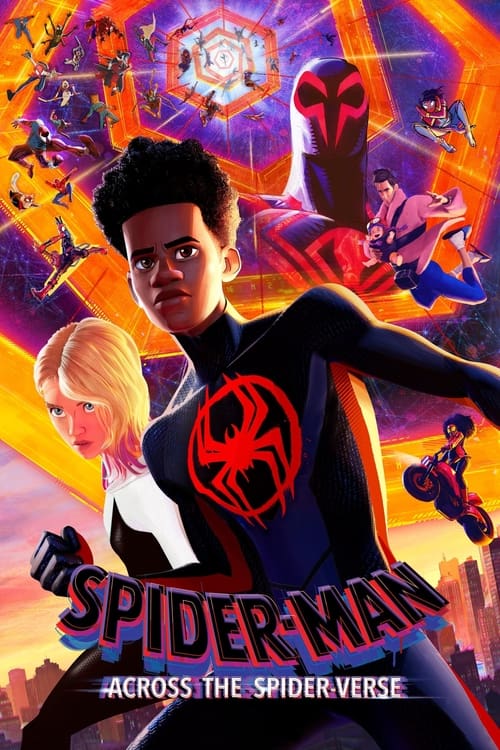
Spider-Man: Across the Spider-Verse somehow tops its predecessor by going bigger while staying personal. The multiverse concept could have been overwhelming, but the film uses it to explore character growth. Miles’s conflict with the other Spider-People about destiny versus choice gives the spectacular visuals real emotional stakes.
The Venom Situation
The Venom movies exist in their own weird bubble. They’re not technically Spider-Man films, but they’re Spider-Man adjacent enough to deserve mention. Tom Hardy commits fully to the bizarre buddy comedy between Eddie and his symbiote. The films work better when they embrace the absurdity - Venom making breakfast and apologizing to lobsters is genuinely funny.
But without Spider-Man, these films feel incomplete. Venom’s origin is so tied to Spider-Man that removing that connection leaves a strange void. They’re entertaining in their own right, but they’re also a reminder of what happens when corporate politics interfere with storytelling.
Looking at the full spectrum of Spider-Man movies, what’s remarkable is how different they all feel while capturing the same essential character. Peter Parker works as a symbol because he represents the struggles we all face - responsibility, growing up, balancing our personal desires with doing what’s right. Whether he’s stopping a train with his bare hands or just trying to ask someone to prom, the best Spider-Man movies remember that the person under the mask is what makes the story matter.
The rankings will always be subjective - your favorite Spider-Man probably depends on which one you grew up with. But having this many different takes on the character means there’s a Spider-Man for everyone. And honestly? That feels pretty true to the spirit of Stan Lee and Steve Ditko’s original creation. Browse our full collection of superhero films to find more masked heroes worth your time.
Discover Your Next Favorite Film
Browse our curated collection of movie trailers and find something new to watch tonight.
Browse Trailers