Best Planet of the Apes Movies Ranked
Films.io Editorial
5 min read
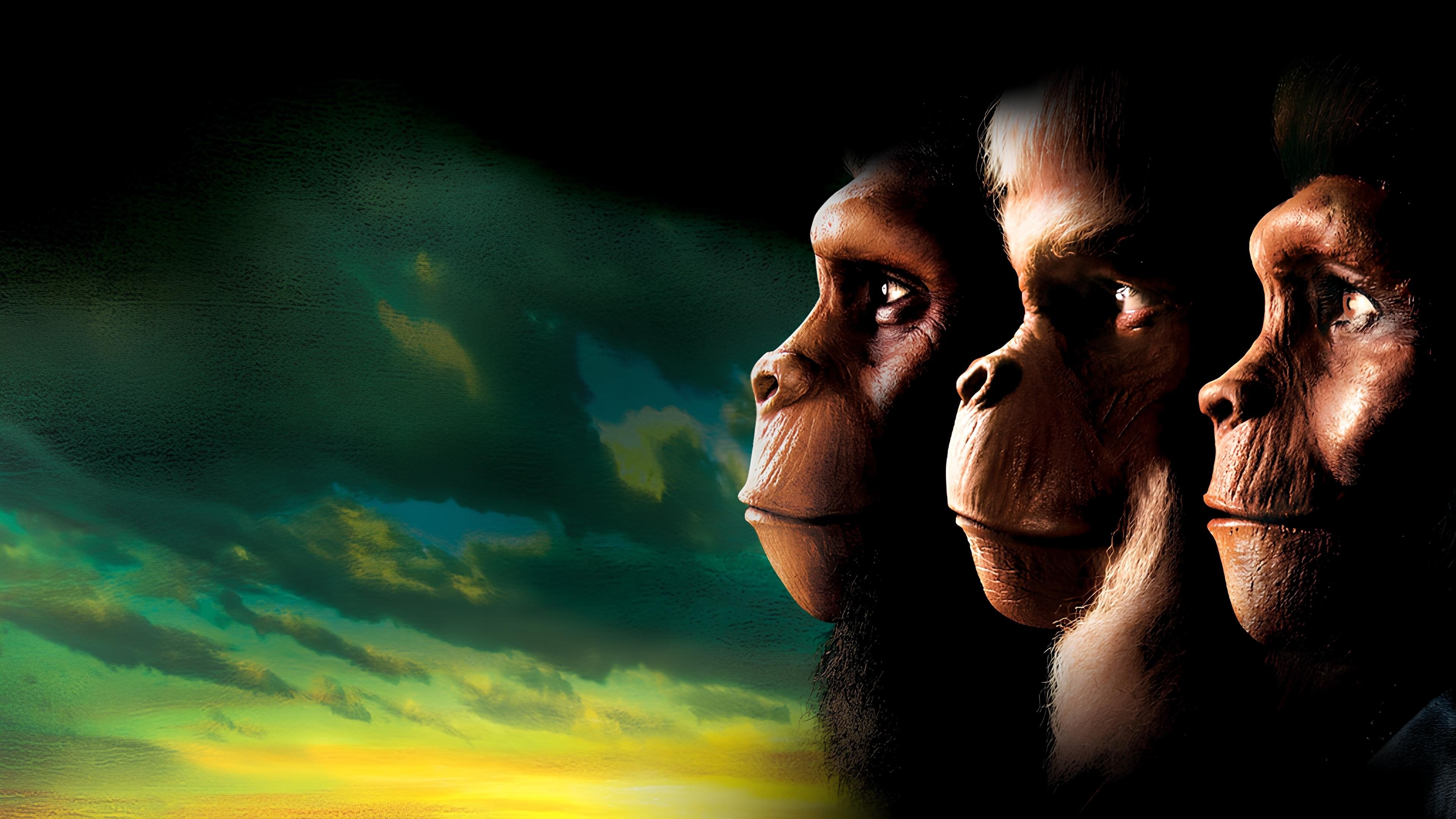
The Planet of the Apes franchise has been swinging through theaters for over half a century, evolving from campy B-movie to serious blockbuster filmmaking. What started as a satirical science fiction story has become one of cinema’s most enduring franchises, tackling everything from nuclear war anxieties to modern questions about AI and humanity’s place in the natural world. Let’s rank the best Planet of the Apes movies from worst to best.
The Misfires
8. Planet of the Apes (2001)
Tim Burton’s 2001 remake proves that not every beloved franchise needs a modern update. Mark Wahlberg looks perpetually confused as astronaut Leo Davidson, trapped on a world where apes rule humans. Burton’s gothic visual style clashes with the source material’s satirical edge, creating something that feels neither fun nor meaningful.
The film’s biggest sin isn’t its confusing time-travel ending or questionable makeup effects. It’s how forgettable the whole experience feels. Where the original sparked conversations about society and human nature, Burton’s version disappears from memory the moment you leave the theater.
7. Beneath the Planet of the Apes (1970)
The first sequel feels like exactly what it is: a rushed cash grab trading on the original’s success. James Franciscus steps in as another astronaut searching for Charlton Heston’s Taylor, but the film quickly devolves into underground mutant worship and nuclear bomb fetishism.
The religious satire hits with all the subtlety of a sledgehammer. By the time psychic humans are worshipping a doomsday device, any connection to the thoughtful original has been severed. At least Heston’s explosive finale provides some memorable apocalyptic imagery.
The Decent Middle Ground
6. Battle for the Planet of the Apes (1973)
The final film in the original series brings things full circle, showing how ape society developed after the nuclear war. It’s more ambitious than its immediate predecessors, attempting to address the cyclical nature of violence and prejudice.
But ambition doesn’t equal execution. The low budget shows in every frame, from bargain-basement makeup to unconvincing action sequences. Still, there’s something admirable about its attempt to provide closure to the series’ central themes about repeating cycles of oppression.
5. Escape from the Planet of the Apes (1971)
The third film cleverly reverses the premise by bringing talking apes to 1970s America. Roddy McDowall and Kim Hunter shine as Cornelius and Zira, fish-out-of-water characters who become media sensations before government paranoia sets in.
The film works best as social commentary, showing how quickly fascination turns to fear when the “other” becomes perceived as a threat. The tragic ending packs genuine emotional weight, even if the path there feels overly contrived.
The Franchise Peaks
4. War for the Planet of the Apes (2017)
Matt Reeves concludes the modern trilogy with a film that’s more war drama than summer blockbuster. Caesar’s final chapter focuses on the psychological toll of leadership and the cycle of revenge that threatens to consume him.
Woody Harrelson delivers a chilling performance as The Colonel, a military leader whose extreme methods mirror Caesar’s own darker impulses. The film’s biblical overtones work surprisingly well, creating genuine gravitas around what could have been standard action sequences. If anything holds it back, it’s the occasionally heavy-handed symbolism that underestimates the audience’s intelligence.
3. Conquest of the Planet of the Apes (1972)
The darkest film in the original series doubles as both franchise entry and civil rights allegory. Set in 1991, it shows how Caesar leads an ape uprising against human oppression, with clear parallels to the Black liberation movement of the early 1970s.
Director J. Lee Thompson doesn’t shy away from the story’s political implications. The apes’ revolt feels genuinely revolutionary, not just plot mechanics. Roddy McDowall brings real fire to Caesar’s speeches about freedom and dignity. It’s blunt, angry filmmaking that earns its confrontational tone.
2. Dawn of the Planet of the Apes (2014)
Matt Reeves’ middle chapter proves sequels can deepen rather than diminish what came before. Set ten years after the simian flu outbreak that ended human civilization as we know it, it explores the fragile peace between Caesar’s evolved apes and the surviving human population.
The film works because it refuses to paint either side as purely good or evil. Jason Clarke’s Malcolm represents humanity at its most reasonable, while Koba embodies the justified rage of the oppressed who becomes the oppressor. The motion-capture performances, particularly Andy Serkis as Caesar, create characters more believable than most flesh-and-blood actors manage.
When the inevitable conflict erupts, it feels tragic rather than triumphant. This is blockbuster filmmaking with actual stakes and genuine emotional consequences.
1. Rise of the Planet of the Apes (2011)
The modern trilogy’s opening chapter succeeds by grounding its fantastical premise in genuine emotion and scientific plausibility. James Franco’s Will Rodman develops an Alzheimer’s cure that accidentally creates super-intelligent apes, led by Caesar, who becomes the reluctant leader of a revolution.
What makes Rise work is its commitment to character development over spectacle. Caesar’s journey from lab animal to revolutionary leader feels organic, not forced. The film takes time to establish the ethical questions around animal testing and pharmaceutical research, making the eventual uprising feel justified rather than villainous.
The Golden Gate Bridge sequence remains a masterclass in action filmmaking, but it’s the quieter moments, Caesar’s first words, his relationship with Will, his growing awareness of his own captivity, that give the action emotional weight. Andy Serkis delivers a motion-capture performance that’s more nuanced than most traditional acting, creating a character who’s simultaneously alien and deeply familiar.
The Undisputed Original Classic
While Rise kicks off the modern trilogy brilliantly, we’d be remiss not to acknowledge the cultural impact and enduring power of Franklin J. Schaffner’s 1968 original. That film remains unmatched for perfectly balancing entertainment with social commentary, using its absurd premise to examine very real human flaws.
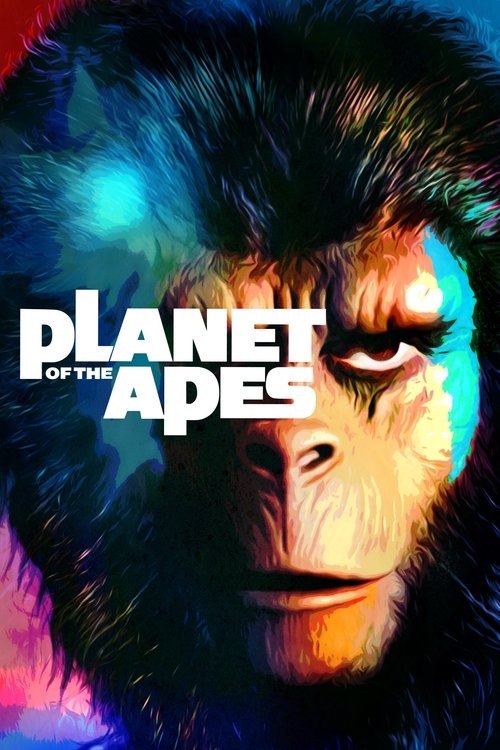
Rod Serling’s screenplay treats the science fiction elements with complete seriousness, using ape society to examine 1960s anxieties about nuclear war and civil rights. That iconic ending, Taylor discovering the ruins of the Statue of Liberty, still hits like a punch to the gut, serving as both twist and genuine moment of horror about humanity’s capacity for self-destruction.
The Planet of the Apes films work best when they remember that science fiction’s greatest power is holding up a mirror to contemporary society. The original series used ape society to examine 1960s anxieties about nuclear war and civil rights. The modern trilogy addresses current fears about technology, environmental destruction, and social collapse.
For more interesting science fiction that uses impossible worlds to explore very real human concerns, check out films like Arrival, which examines communication and understanding across species barriers, Ex Machina, which questions artificial intelligence and consciousness, or Her, which explores human connection in an increasingly digital world. The best science fiction doesn’t just entertain, it makes us think about who we are and who we might become.
Discover Your Next Favorite Film
Browse our curated collection of movie trailers and find something new to watch tonight.
Browse Trailers