Every Denis Villeneuve Movie Ranked
Films.io Editorial
5 min read
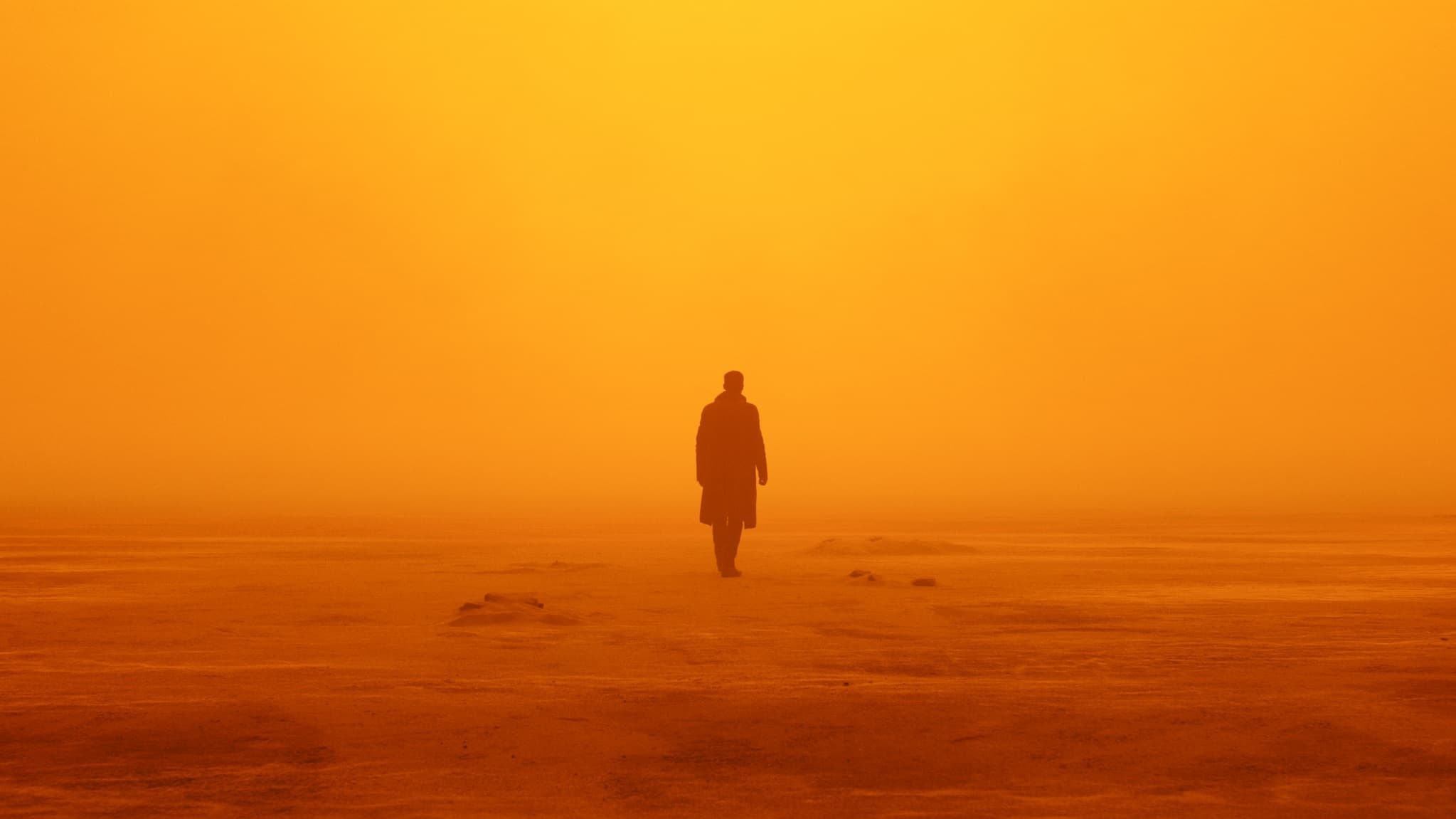
Denis Villeneuve doesn’t make bad movies. That’s not hyperbole or fanboy worship talking, it’s just the truth when you look at his track record. The French-Canadian director has spent the last decade and a half crafting films that somehow manage to be both deeply personal and epically cinematic. But even among consistently great filmmakers, some works shine brighter than others.
Ranking Villeneuve’s filmography feels almost unfair because his “worst” film would be most directors’ career highlight. Still, examining what makes each of his movies tick reveals fascinating insights about one of cinema’s most engaging contemporary voices.
The Early Quebec Years
Villeneuve’s first three features, Un 32 août sur terre (1998), Maelström (2000), and Polytechnique (2009), established him as a serious voice in Canadian cinema. These films showed his knack for exploring trauma and human psychology, themes that would become central to his later work.
Polytechnique deserves special mention. This black-and-white recreation of the 1989 École Polytechnique massacre is devastating and necessary filmmaking. Villeneuve approaches the tragedy with remarkable sensitivity, focusing on the victims rather than sensationalizing the perpetrator. It’s powerful cinema that announced his arrival as a filmmaker unafraid to tackle difficult subjects.
Finding His Voice
Incendies (2010) marks the moment Villeneuve stepped onto the world stage. This multilayered mystery about twins searching for their mother’s past in war-torn Lebanon showcases everything that makes his filmmaking special: meticulous plotting, emotional depth, and visual poetry. The film earned an Oscar nomination and put Villeneuve on Hollywood’s radar. It remains one of his most emotionally devastating works.
Prisoners (2013) was his first major Hollywood production, and what a debut it was. Jake Gyllenhaal and Hugh Jackman deliver career-best performances in this slow-burn thriller about missing children. Villeneuve takes what could have been a standard procedural and transforms it into a meditation on justice, faith, and moral compromise. The film’s oppressive atmosphere and moral ambiguity feel distinctly European in the best way.
Prisoners showcases Villeneuve’s ability to elevate genre material through careful character work and thematic depth.
The Science Fiction Trilogy
Villeneuve’s three consecutive sci-fi films represent the peak of his artistic and commercial success. Each tackles big philosophical questions while delivering spectacular visuals.
Arrival (2016) might be the most emotionally intelligent alien contact movie ever made. Amy Adams anchors this linguistic puzzle that’s really about love, loss, and the way language shapes our perception of time. The film’s circular structure mirrors its themes perfectly, and Villeneuve’s restrained approach lets the ideas breathe. It’s cerebral sci-fi that never forgets to be deeply human.
Arrival demonstrates how Villeneuve can take high-concept science fiction and ground it in genuine human emotion.
Blade Runner 2049 (2017) had an impossible task: following up one of cinema’s greatest sci-fi films. Somehow, Villeneuve pulled it off. This sequel deepens the original’s themes while carving out its own identity. Ryan Gosling’s performance as K is perfectly calibrated, and Roger Deakins’ cinematography is nothing short of miraculous. The film flopped at the box office but stands as a masterclass in how to make a sequel that honors its predecessor while telling its own story.
Blade Runner 2049 proves that some sequels can actually enhance their originals rather than diminish them.
Dune: Part One (2021) and Dune: Part Two (2024) represent Villeneuve’s most ambitious undertaking. After multiple failed attempts to adapt Frank Herbert’s novel, he succeeded by treating it with the reverence it deserves. The first film is all setup and world-building, which makes it feel slightly incomplete on its own. But Dune: Part Two delivers on every promise, giving us one of the most spectacular and emotionally satisfying blockbusters in years.
The Outlier
Enemy (2013) stands apart from the rest of Villeneuve’s filmography. This surreal psychological thriller starring Jake Gyllenhaal as a man who discovers his exact double is his most experimental work. It’s also his most divisive. The film’s dream logic and symbolic imagery make it feel like a fever dream. Some viewers find it pretentious; others consider it his masterpiece. Either way, it shows Villeneuve’s range and willingness to take risks.
Sicario (2015) rounds out his Hollywood breakthrough period. Emily Blunt stars as an FBI agent thrust into the morally ambiguous world of border warfare. The film’s unflinching look at violence and corruption, combined with stunning cinematography and a haunting score, makes it one of the decade’s best thrillers. Sicario shows Villeneuve at his most politically engaged, crafting a narrative that’s both gripping entertainment and sharp social commentary.
Ranking the Films
If forced to rank them (and acknowledging that the top tier could be shuffled based on personal preference):
- Blade Runner 2049 - A miracle of sequel filmmaking
- Incendies - His most emotionally devastating work
- Arrival - Perfect blend of intellect and emotion
- Dune: Part Two - Epic storytelling at its finest
- Sicario - Politically charged thriller perfection
- Prisoners - Masterful thriller that launched his Hollywood career
- Enemy - Fascinating experimental work
- Dune: Part One - Great setup that needs its sequel
- Polytechnique - Important, difficult filmmaking
- Maelström - Early signs of greatness
- Un 32 août sur terre - Promising debut
What sets Villeneuve apart isn’t just his technical skill or visual eye (though both are exceptional). It’s his ability to find the human story within larger concepts. Whether he’s dealing with alien linguistics or ecological warfare, his films always come back to fundamental questions about what it means to be human.
His collaboration with cinematographer Roger Deakins (Blade Runner 2049, Prisoners, Sicario) and composers Hans Zimmer (the Dune films) and Jóhann Jóhannsson (Arrival, Sicario, Prisoners) has produced some of cinema’s most memorable images and sounds. But technique serves story, never the other way around.
Looking at this filmography, what’s most impressive is the consistency. Even his “lesser” works would be career highlights for most directors. As he continues to develop the Dune saga and hints at other projects, one thing seems certain: Denis Villeneuve will keep making films that challenge audiences while delivering the spectacular cinema they crave.
Browse our full collection of sci-fi films to discover more movies that blend big ideas with emotional storytelling, or explore more of our film rankings to find your next great watch.
Discover Your Next Favorite Film
Browse our curated collection of movie trailers and find something new to watch tonight.
Browse Trailers