25 Movies with Unreliable Narrators That Will Mess with Your Mind
The Reel Team
11 min read
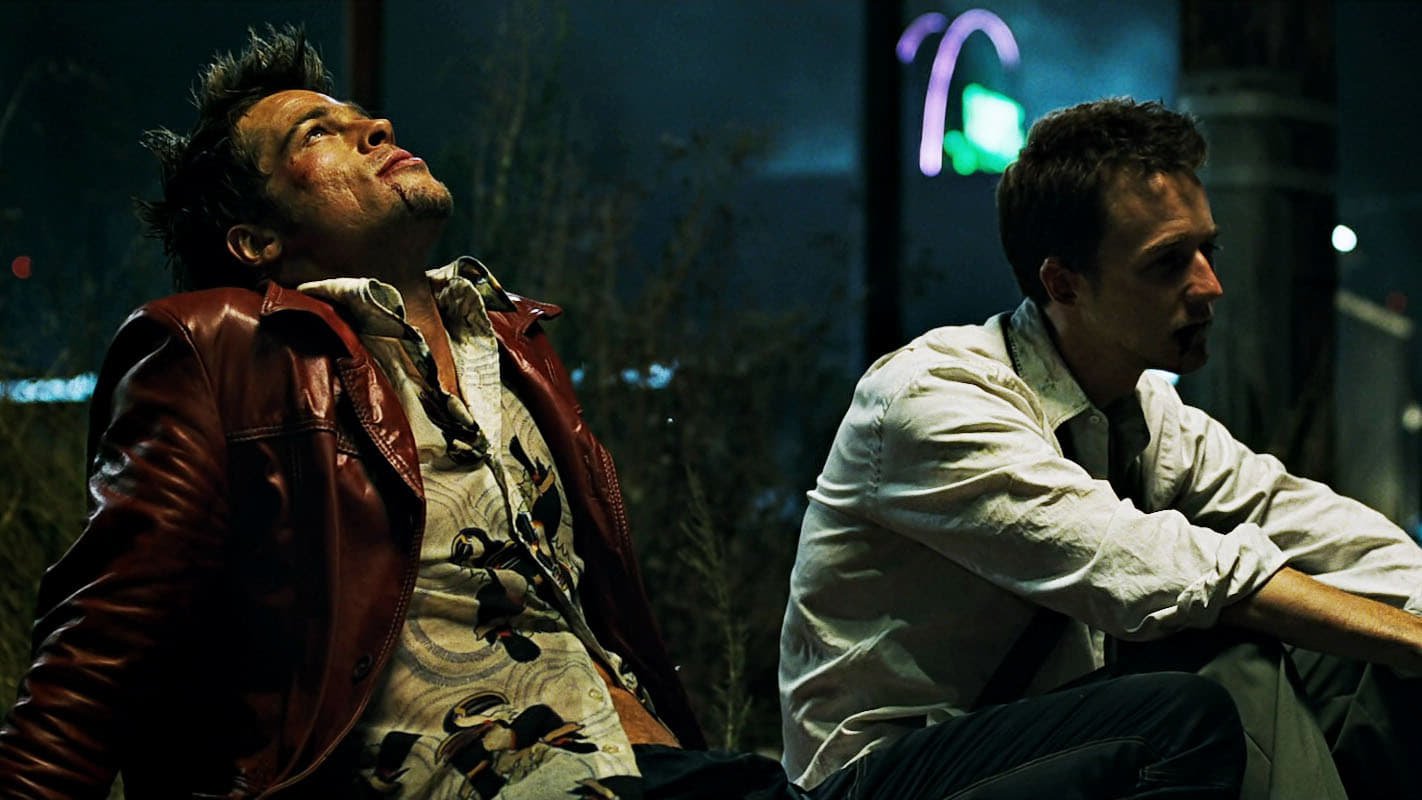
The best stories trust their audience. The trickiest ones make that trust a weapon. These twenty-five films feature narrators—or perspectives—you shouldn’t believe. Some reveal their deceptions; others leave you questioning everything.
Warning: By nature, discussing unreliable narrators involves spoilers. We’ll be careful, but proceed cautiously if you haven’t seen these films.
The Classic Twists
1. Fight Club (1999)
David Fincher’s adaptation hides its narrator’s truth in plain sight. Every rewatch reveals more clues. “The first rule of Fight Club” became cultural shorthand for secrets.
2. The Sixth Sense (1999)
M. Night Shyamalan’s breakthrough plays fair while misdirecting masterfully. The twist reframes everything without cheating.
3. The Usual Suspects (1995)
Kevin Spacey’s Verbal Kint spins a story for investigators—and us. The final revelation made “Keyser Söze” a pop culture touchstone.
4. Memento (2000)
Christopher Nolan’s reverse-chronology thriller follows a man who can’t form new memories. We experience his confusion and must question whether he—or we—can trust what we’re shown.
5. Primal Fear (1996)
Edward Norton’s debut features a stutter, a murder, and a defense attorney who believes his client. The courtroom twist launched Norton’s career.
Psychological Deceptions
6. Shutter Island (2010)
Leonardo DiCaprio investigates a missing patient at a psychiatric hospital. Scorsese layers clues throughout, and the final question haunts: is the truth better than the delusion?
7. Black Swan (2010)
As Nina pursues perfection in Swan Lake, reality fractures. Darren Aronofsky blurs hallucination and performance until we share her madness.
8. A Beautiful Mind (2001)
John Nash’s mathematical genius came with schizophrenia. Ron Howard’s biopic hides its revelations by putting us inside Nash’s perception.
9. Gone Girl (2014)
Gillian Flynn adapted her own novel, and the midpoint revelation reframes every earlier scene. Both narrators lie—to us and each other.
10. American Psycho (2000)
Is Patrick Bateman actually killing people, or is it fantasy? Mary Harron’s satire never answers, making the ambiguity the point.
Through Distorted Eyes
11. Rashomon (1950)
Kurosawa’s masterpiece tells the same story four times through different witnesses. Truth becomes impossible; perspective is everything.
12. Atonement (2007)
A young girl’s misinterpretation destroys lives. The film’s structure reveals how she processes—and rewrites—her guilt.
13. Life of Pi (2012)
A man survives shipwreck with a Bengal tiger—or does he? Ang Lee’s visual wonder asks which story you prefer to believe.
14. Big Fish (2003)
A dying man’s tall tales frustrate his literal-minded son. Tim Burton explores how we mythologize our lives—and whether myths can be true.
15. The Prestige (2006)
Nolan’s magician rivalry is told through journals that may be fabricated. The film itself is a magic trick, built on misdirection.
Mental Illness as Unreliability
16. Joker (2019)
Arthur Fleck’s descent into madness makes every scene questionable. How much actually happens versus exists in his deteriorating mind?
17. A Clockwork Orange (1971)
Alex narrates his own story of ultra-violence and “rehabilitation.” Can we trust a self-proclaimed sociopath to tell his story fairly?
18. Taxi Driver (1976)
Travis Bickle’s isolation warps his perception. Scorsese shows us his distorted view of New York and leaves the ending deliberately ambiguous.
19. The Machinist (2004)
Christian Bale’s emaciated factory worker hasn’t slept in a year. Reality fragments alongside his body.
20. Spider (2002)
David Cronenberg follows a mentally ill man reconstructing childhood memories. What he remembers and what happened diverge disturbingly.
Subtle Deceptions
21. Remains of the Day (1993)
Stevens the butler narrates his life of service without acknowledging what he’s lost. Anthony Hopkins’s restraint shows the denial he won’t admit.
22. The Great Gatsby (2013)
Nick Carraway tells us Gatsby’s story, but Nick is unreliable too—a recovering alcoholic writing from a sanitarium in Luhrmann’s version.
23. Pale Flower (1964)
A yakuza’s romanticized self-image contrasts with his sordid reality. Masahiro Shinoda’s noir shows how criminals mythologize themselves.
24. Barry Lyndon (1975)
The omniscient narrator contradicts what we see, revealing the protagonist’s self-deception. Kubrick creates ironic distance from his scheming protagonist.
25. Hero (2002)
Zhang Yimou’s martial arts epic features nested stories where truth is political. Each colorful version serves different purposes.
How Filmmakers Create Unreliability
Visual cues: Shots that seem objective reveal subjective perspective
Sound design: Audio distortions signal mental states
Editing: Jumps and discontinuities hint at fabrication
Performance: Actors telegraph insincerity to attentive viewers
Narrative framing: Characters telling stories within stories
The Reward of Re-watching
Unreliable narrator films improve on second viewing:
- Catch the clues you missed when believing the narrator
- Watch other characters react to lies we initially accept
- Notice technical tells that signal deception
- Appreciate the construction of the illusion
These films trust audiences to engage actively. Passive viewing won’t work—you need to question what you’re seeing. That’s what makes them rewarding.
The unreliable narrator doesn’t break trust; it rewards skepticism. Every film is a construction. These just admit it.
Discover Your Next Favorite Film
Browse our curated collection of movie trailers and find something new to watch tonight.
Browse Trailers