Where to Start with Classic Cinema
Golden age entry points for modern viewers
The Reel
10 min read
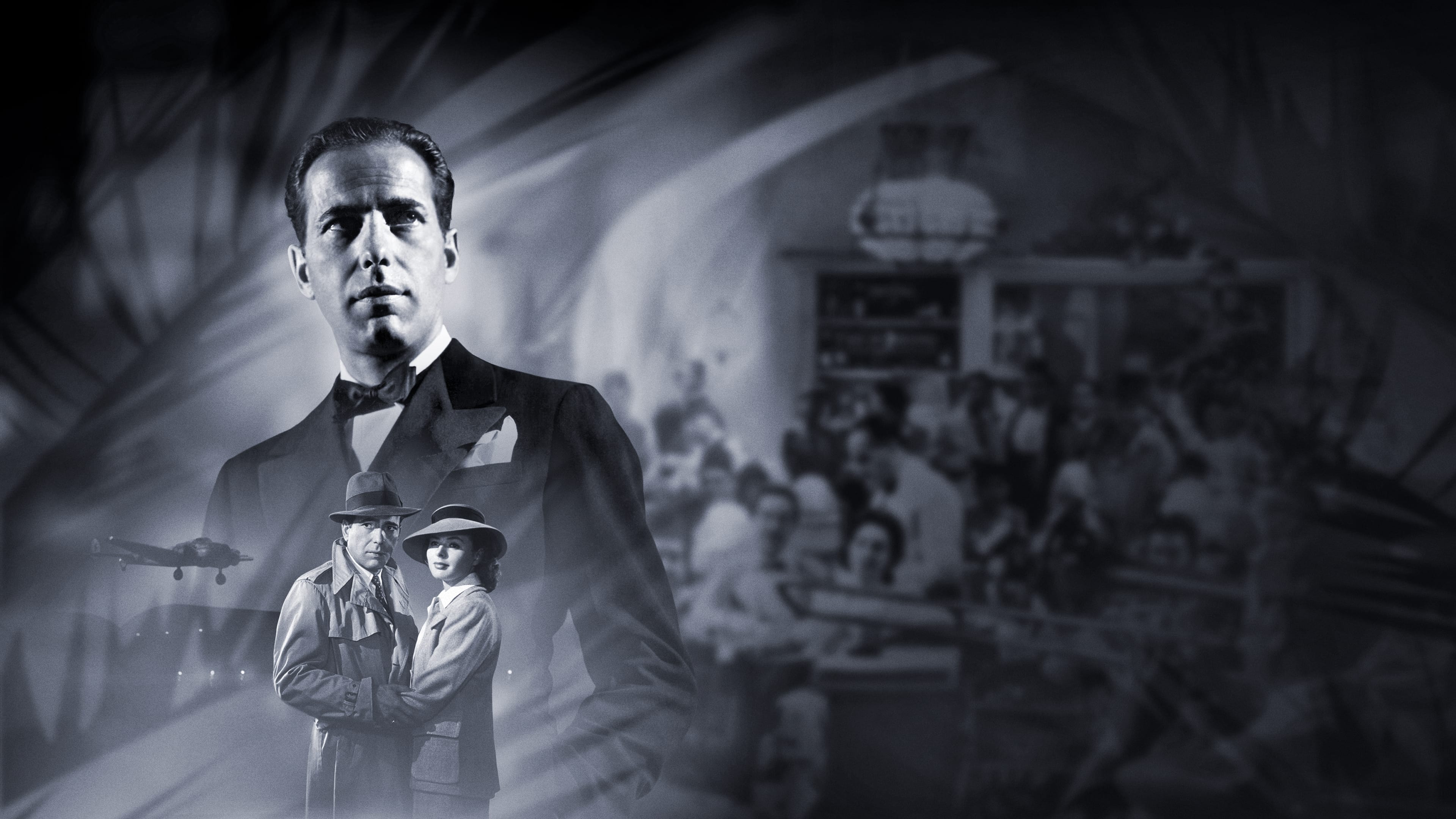
Classic films intimidate modern viewers. Black-and-white photography, different acting styles, and slower pacing create barriers. But golden age cinema offers pleasures unavailable elsewhere. This guide helps you find entry points that work for contemporary audiences.
Common Concerns (And Why They’re Overblown)
“Old movies are boring”
Some are. So are many modern films. The classics that survived did so because they’re genuinely entertaining. The pacing differs, but once you adjust, you’ll find excitement and emotion.
“I can’t handle black-and-white”
You’ll stop noticing after twenty minutes. Black-and-white creates its own beauty—shadows, contrast, and focus that color sometimes obscures. Give it a chance.
“The acting is too theatrical”
Styles have changed. Early sound films featured stage-trained actors projecting for theater. By the 1940s, naturalism dominated. Start with later classics if this bothers you.
“The stories are outdated”
Some attitudes are dated—watch with historical awareness. But fundamental emotions haven’t changed. Love, ambition, fear, and hope translate across eras.
The Best Starting Points
If You Like Romance: Casablanca (1942)
Casablanca remains the entry point for classic Hollywood. The story is accessible, the dialogue quotable, and the chemistry between Humphrey Bogart and Ingrid Bergman undeniable. It’s romantic without being saccharine, and the World War II setting adds stakes.
Why it works for modern viewers: The pacing is tighter than most 1940s films. The cynicism beneath the romance feels contemporary.
If You Like Thrillers: The Maltese Falcon (1941)
Film noir starts here. Bogart plays a detective navigating double-crosses and femme fatales. The plot is complex but followable, and the dialogue crackles.
Why it works: It established tropes you already know from countless imitations. Seeing the original reveals how sharp the template was.
If You Like Horror: Psycho (1960)
Hitchcock’s shocker changed the genre. Psycho still generates tension and delivers genuine surprises if you somehow avoided spoilers. Norman Bates created the modern movie monster.
Why it works: The horror holds up. The techniques feel contemporary because everyone copied them.
If You Like Comedy: Some Like It Hot (1959)
Billy Wilder’s cross-dressing farce is funnier than most modern comedies. Tony Curtis and Jack Lemmon flee gangsters disguised as women in an all-female band. The jokes land.
Why it works: Comedy timing doesn’t age like drama does. The gender play feels surprisingly relevant.
If You Like Spectacle: Singin’ in the Rain (1952)
Singin’ in the Rain is pure joy. Gene Kelly’s athleticism amazes, and the musical numbers deliver entertainment that modern blockbusters attempt with CGI.
Why it works: The colors pop, the choreography impresses, and cynics can appreciate the Hollywood satire underneath.
The Essential Directors
Alfred Hitchcock
The master of suspense made accessible films. Start with:
- Rear Window (1954): Voyeurism and murder from a single apartment
- North by Northwest (1959): Action, wit, and the Mount Rushmore sequence
- Vertigo (1958): Deeper and stranger, but essential
Billy Wilder
Hollywood’s smartest writer-director. Start with:
- Sunset Boulevard (1950): Hollywood gothic about a forgotten star
- The Apartment (1960): Romantic comedy with genuine edge
- Double Indemnity (1944): Noir perfection
John Ford
The Western master and American mythmaker. Start with:
- The Searchers (1956): John Wayne’s most complex role
- Stagecoach (1939): The template for every Western after
Orson Welles
The boy genius who changed cinema. Start with:
- Citizen Kane (1941): Its reputation is deserved
- Touch of Evil (1958): Opening tracking shot alone justifies viewing
Decade by Decade
The 1930s: Hollywood’s Youth
Sound arrived in 1927. By the 1930s, studios had mastered the technology. Films move quickly—programmers ran 70 minutes, and efficiency ruled.
Start with: The Thin Man (1934)—witty, sophisticated comedy-mystery
The 1940s: The Golden Age
Peak Hollywood craftsmanship. Noir emerged, and studios had resources and talent.
Start with: Casablanca (1942) or The Third Man (1949)
The 1950s: Scope and Color
Widescreen and color fought television. Epics dominated, but intimate dramas thrived too.
Start with: Singin’ in the Rain (1952) or 12 Angry Men (1957)
The 1960s: Transition
Hollywood conventions crumbled. European influences arrived. The decade started traditional and ended revolutionary.
Start with: Psycho (1960) or Lawrence of Arabia (1962)
Building Your Classic Film Foundation
Week 1: Accessibility
- Casablanca (1942)
- Singin’ in the Rain (1952)
Week 2: Suspense
- Psycho (1960)
- Rear Window (1954)
Week 3: Drama and Scope
- Lawrence of Arabia (1962)
- 12 Angry Men (1957)
Week 4: Comedy and Noir
- Some Like It Hot (1959)
- The Maltese Falcon (1941)
After this foundation, you’ll have context for everything else.
Where to Watch
Criterion Channel: The essential streaming service for classics. Curated collections and restorations.
TCM (Turner Classic Movies): Linear programming that introduces films with context.
Physical media: Many classics are available in restored Blu-ray editions that look stunning.
Library services: Kanopy and Hoopla offer free streaming through library cards.
Adjusting Your Expectations
Pace Yourself
Don’t marathon classics. One film at a time, with space to absorb.
Embrace the Differences
Acting styles, pacing, and production codes created constraints that inspired creativity. The restrictions produced art.
Context Helps
A little history enhances appreciation. Knowing what World War II meant to Casablanca’s original audience deepens impact.
Not Everything Ages Well
Some attitudes—racism, sexism, cultural insensitivity—require awareness. You can appreciate craft while acknowledging problems.
The Rewards
Classic films offer:
- Concentrated talent: Studio systems gathered the best writers, directors, and actors.
- Different storytelling: Pacing and structure varied from modern formulas.
- Historical windows: Films capture their eras unconsciously.
- Influence recognition: Modern films constantly reference classics. Understanding the originals enriches viewing.
Start with what sounds appealing. Nobody requires you to love everything old. But give classics a chance—the rewards are substantial.
Explore our full collection for classic and modern films alike.
Discover Your Next Favorite Film
Browse our curated collection of movie trailers and find something new to watch tonight.
Browse Trailers