Essential Movies Everyone Should See
Film literacy basics for any viewer
The Reel
12 min read
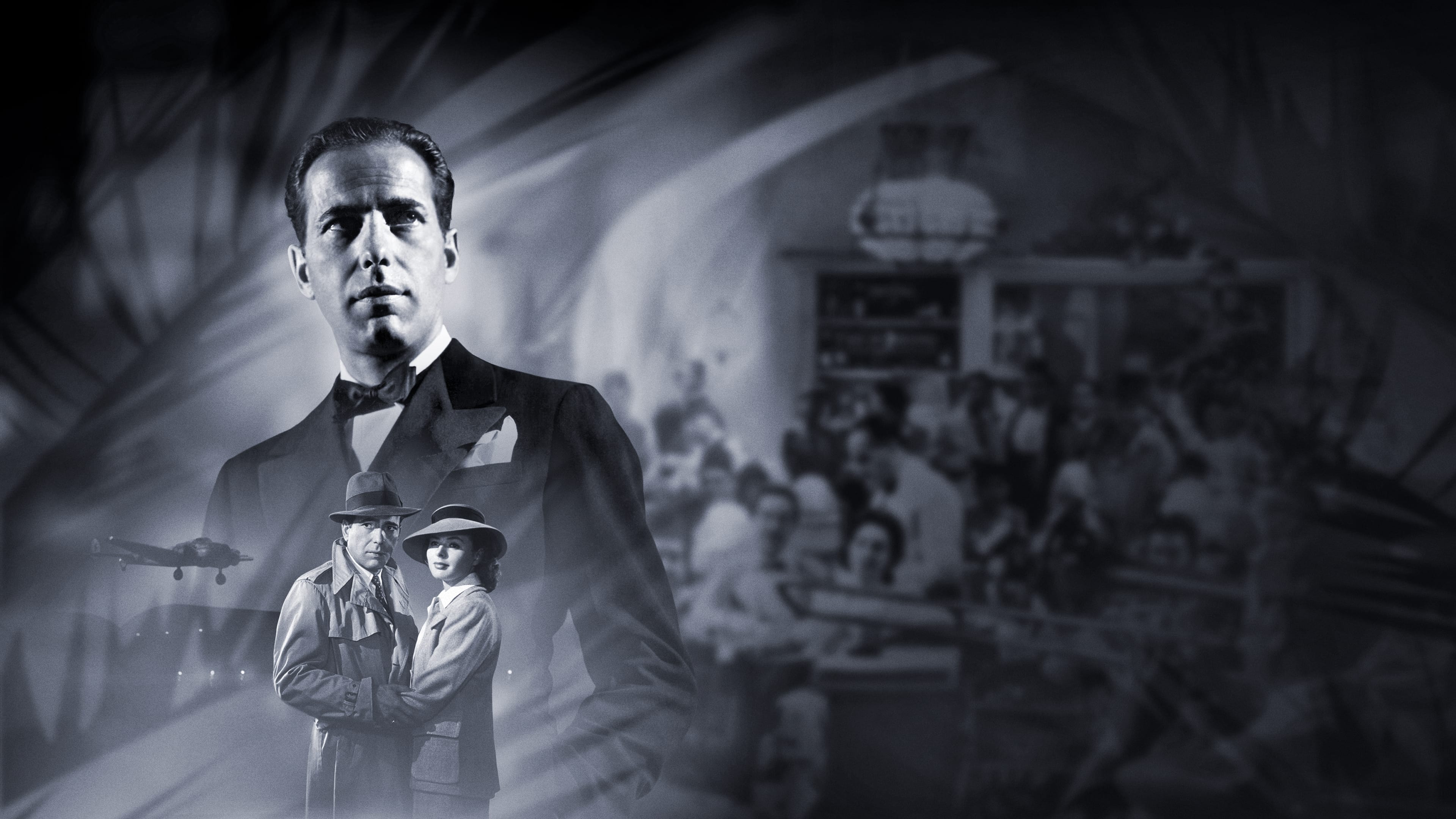
Every art form has its essential works—pieces that define the medium and influence everything after. These 30 films represent cinema’s foundation. Whether you’re building film literacy or filling gaps in your viewing history, start here.
The Foundations
Citizen Kane (1941)
Orson Welles was 25 when he made what’s often called the greatest film ever. The deep focus photography, non-linear structure, and thematic ambition created the template for serious filmmaking. Even if you resist its reputation, you’ll see its influence everywhere.
Casablanca (1942)
Casablanca defined romantic sacrifice in cinema. Humphrey Bogart and Ingrid Bergman created movie magic through restrained emotion. The dialogue (“Here’s looking at you, kid,” “We’ll always have Paris”) entered the cultural lexicon. It’s also genuinely moving, not just important.
The Godfather (1972)
The Godfather transformed gangster films into family saga. Marlon Brando and Al Pacino created Michael Corleone’s corruption arc, which remains the gold standard for character transformation. Francis Ford Coppola’s direction balances intimacy and epic scope.
2001: A Space Odyssey (1968)
Stanley Kubrick and Arthur C. Clarke created science fiction as art cinema. 2001 asks big questions about humanity, technology, and evolution while delivering images that still look better than most CGI. Patience is required, but the payoff is immense.
The Storytelling Masters
Rashomon (1950)
Akira Kurosawa’s samurai drama introduced subjective truth to cinema. Four witnesses tell contradicting versions of a crime. The “Rashomon effect” now describes any situation where truth depends on perspective.
Vertigo (1958)
Alfred Hitchcock’s obsession thriller wasn’t initially appreciated but now regularly tops greatest-films polls. The psychological depth, the San Francisco locations, and the devastating ending reveal layers on each viewing.
The Seventh Seal (1957)
Ingmar Bergman’s knight plays chess with Death. It’s less pretentious than it sounds—the medieval setting allows philosophical questions without feeling heavy. The imagery is iconic, and the questions are eternal.
8½ (1963)
Federico Fellini made a film about a director unable to make a film. The autobiographical surrealism influenced everyone from Woody Allen to the creators of musical films. It’s playful and melancholic simultaneously.
American Classics
Singin’ in the Rain (1952)
Singin’ in the Rain is pure joy. Gene Kelly dancing through puddles captures cinema’s ability to make us happy. The musical numbers are perfectly choreographed, and the Hollywood satire still works.
Some Like It Hot (1959)
Billy Wilder’s cross-dressing comedy is funnier than most modern comedies. Marilyn Monroe, Tony Curtis, and Jack Lemmon navigate Prohibition-era gender chaos. The final line is one of cinema’s best jokes.
Psycho (1960)
Hitchcock changed horror permanently. Psycho’s shower scene remains shocking, but the real achievement is structural—killing your star early and making the audience complicit in the villain’s cover-up.
The Graduate (1967)
Mike Nichols captured a generation’s alienation. Dustin Hoffman’s Benjamin Braddock drifts through post-college aimlessness, and Mrs. Robinson became an archetype. The Simon & Garfunkel soundtrack defined movie music integration.
International Essentials
Seven Samurai (1954)
Kurosawa’s three-hour epic created the template for ensemble action films. The Magnificent Seven, countless Westerns, and modern blockbusters all steal from this story of warriors protecting a village.
Bicycle Thieves (1948)
Italian neorealism’s masterpiece follows a father and son searching for a stolen bicycle in post-war Rome. The simplicity is the point—poverty and dignity captured without melodrama.
Breathless (1960)
Jean-Luc Godard broke every rule. Jump cuts, improvised dialogue, reference-heavy scripts—the French New Wave started here. Even if the style feels normal now, watching the origin clarifies modern cinema.
Spirited Away (2001)
Spirited Away is animation’s high point. Hayao Miyazaki created a world of impossible detail and emotional resonance. The bathhouse, the train on water, the transformation sequences—nothing else looks like this.
Defining Genres
The Shawshank Redemption (1994)
The Shawshank Redemption failed at the box office but became beloved through home video. Tim Robbins and Morgan Freeman create hope within prison walls. The ending is cathartic without being cheap.
Schindler’s List (1993)
Steven Spielberg’s Holocaust drama earns its reputation. Liam Neeson’s Oskar Schindler moves from profiteer to savior. The black-and-white photography and John Williams’ score create devastating power. Essential, if difficult.
Goodfellas (1990)
Martin Scorsese perfected the gangster film. Goodfellas is propulsive—the voice-over, the tracking shots, the soundtrack, the violence. Ray Liotta, Joe Pesci, and Robert De Niro create the template for every crime drama since.
Pulp Fiction (1994)
Quentin Tarantino reinvented dialogue and structure. Pulp Fiction’s non-linear storytelling, pop culture obsession, and memorable scenes changed independent cinema permanently.
Modern Masterpieces
Parasite (2019)
Parasite won Best Picture and earned it. Bong Joon-ho’s class satire shifts genres constantly while maintaining perfect control. The basement reveal recontextualizes everything.
There Will Be Blood (2007)
Paul Thomas Anderson’s oil epic features Daniel Day-Lewis at his most terrifying. There Will Be Blood is about ambition, religion, and American capitalism. The opening 15 minutes without dialogue is masterful.
The Dark Knight (2008)
The Dark Knight proved superhero films could be serious art. Heath Ledger’s Joker transcends the genre. Christopher Nolan created a crime epic that happens to feature a man in a bat costume.
No Country for Old Men (2007)
The Coen Brothers adapted Cormac McCarthy into relentless tension. No Country for Old Men subverts narrative expectations—the protagonist’s death happens off-screen. Javier Bardem’s Anton Chigurh is horror incarnate.
Get Out (2017)
Jordan Peele merged horror and social commentary perfectly. Get Out created a new subgenre while delivering genuine scares and dark humor. The Sunken Place became cultural shorthand.
Animation Essentials
Toy Story (1995)
Toy Story launched Pixar and computer animation. The technology has advanced, but the emotional storytelling remains the template. Woody and Buzz’s rivalry-to-friendship works because the writing is perfect.
My Neighbor Totoro (1988)
My Neighbor Totoro is pure comfort. Hayao Miyazaki created gentle magic with two sisters and forest spirits. There’s barely a plot, just warmth and wonder.
WALL-E (2008)
Pixar told an environmental romance through robots with 30 minutes of near-silent filmmaking. WALL-E proves animation can tackle serious themes while remaining accessible.
Where to Begin
If you’ve never watched older films: Start with Casablanca or Singin’ in the Rain—both are accessible and entertaining.
If you want challenging: 2001 or The Seventh Seal reward attention but require patience.
If you prefer action: Seven Samurai or Goodfellas deliver entertainment with depth.
If you’re building film literacy: Watch chronologically to see how styles evolved.
These films aren’t medicine to be endured—they’re the reason cinema matters. Explore our full collection for more essential viewing.
Discover Your Next Favorite Film
Browse our curated collection of movie trailers and find something new to watch tonight.
Browse Trailers