13 Movies Shot in One Take (or Appear to Be)
Films.io Editorial
5 min read
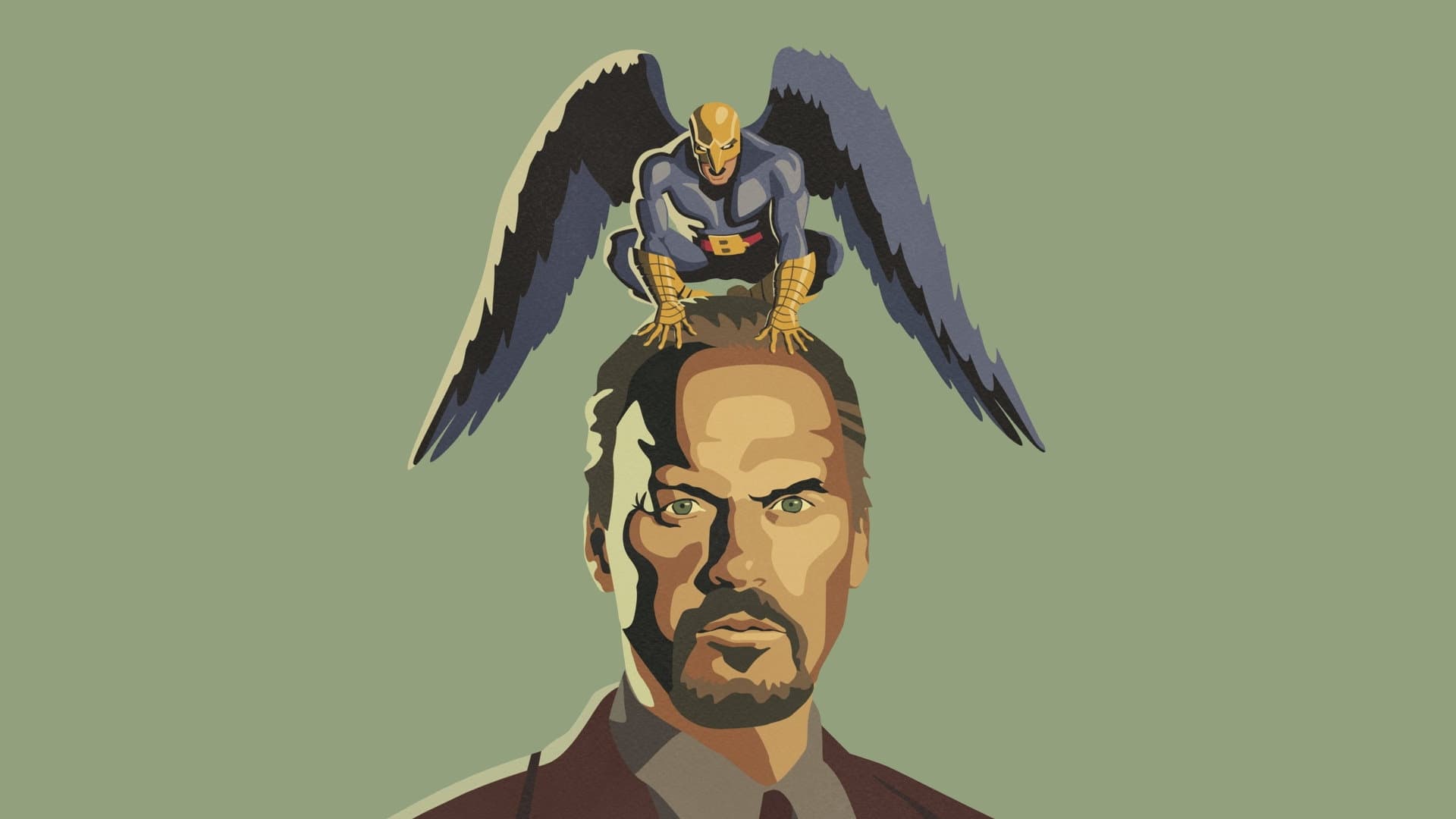
Making a movie in one continuous take is filmmaking’s equivalent of walking a tightrope without a net. Every actor’s line, every camera movement, every lighting cue has to be perfect from start to finish. There’s no safety net of editing to fix mistakes or enhance drama. What you see is what you get, and when it works, it creates an immediacy that traditional filmmaking can’t match.
The technical wizardry behind these films ranges from genuine single takes to elaborate illusions that seamlessly stitch multiple shots together. Some directors like Alejandro González Iñárritu with Birdman chose to make the entire film appear as one fluid sequence, while others use the technique for specific scenes that demand unblinking attention. The result is cinema that feels alive, unpredictable, and often more intense than anything achieved in the editing room.
The Masters of Continuous Cinema
Birdman or (The Unexpected Virtue of Ignorance) stands as the most famous example of sustained one-take filmmaking. Iñárritu and cinematographer Emmanuel Lubezki crafted what appears to be a single, unbroken shot following Riggan Thomson through his theatrical crisis. The camera floats through backstage corridors, out windows, and into dressing rooms with supernatural smoothness. While actually composed of several long takes digitally stitched together, the effect is hypnotic.
1917 takes the opposite approach, using the one-take technique to throw viewers directly into the trenches of World War I. Sam Mendes and Roger Deakins create an exhausting, immersive experience as two soldiers navigate No Man’s Land in real time. The camera becomes a third companion on their mission, never cutting away from the horror or the humanity of their journey.
Rope remains Alfred Hitchcock’s most audacious technical experiment. Confined to a single apartment, the film unfolds in what appears to be real time as two friends host a dinner party directly above their victim’s body. Hitchcock was forced to work within the limitations of 1940s film reels, disguising cuts behind characters’ backs, but the claustrophobic effect remains unmatched.
Action Without Interruption
Some of cinema’s most memorable action sequences happen in single takes, creating an intensity that rapid-fire editing simply can’t achieve. The hallway fight in Oldboy follows Oh Dae-su through a brutal corridor brawl that feels genuinely exhausting. Every punch lands with weight because we never cut away.
True Detective’s famous six-minute single take in Season 1 drops viewers into the middle of a housing project raid gone wrong. The camera follows detective Rust Cohle as a planned infiltration turns into chaos. The unblinking perspective makes every moment feel dangerous and unpredictable.
Children of Men features multiple long takes, but the car ambush sequence stands out for its nerve-wracking realism. Alfonso Cuarón keeps the camera inside the vehicle as windows shatter and motorcycles weave between traffic. The lack of cutaways makes every impact feel immediate and personal.
The Illusion of Reality
Goodfellas uses one-take filmmaking to show off Henry Hill’s world of easy access and unlimited confidence. The Copacabana sequence follows Henry and Karen as they bypass lines, walk through kitchens, and arrive at their table without a single cut. It’s cinematic swagger that puts us in Henry’s shoes.
Boogie Nights opens with a three-minute tracking shot that introduces nearly every major character while establishing the world of 1970s San Fernando Valley nightlife. Paul Thomas Anderson’s camera glides through the club like a curious observer, setting the tone for everything that follows.
Touch of Evil begins with one of cinema’s most famous opening shots, following a bomb-rigged car through the streets of a border town until the inevitable explosion. Orson Welles uses the extended take to build unbearable tension while establishing the film’s noir atmosphere.
Modern Innovations
La La Land uses long takes to capture the magic of classic Hollywood musicals, particularly in the opening freeway sequence where dozens of dancers transform a traffic jam into a celebration. The unbroken perspective makes the fantasy feel spontaneous rather than overly rehearsed.
Atomic Blonde features a stairwell fight sequence that appears to unfold in real time, with Charlize Theron’s character battling multiple opponents while the camera never cuts away. The extended take makes every hit feel consequential and every recovery impressive.
The horror film Silent House claims to be shot in a single take, following a young woman as she investigates strange sounds in a lakehouse. Whether genuinely continuous or cleverly edited, the technique creates sustained dread that traditional horror editing often undermines.
Victoria actually was filmed in a single 134-minute take, following a Spanish woman through Berlin as a simple night out transforms into a bank heist. The German film required extensive rehearsal but delivers unmatched authenticity.
Russian Ark takes place entirely within St. Petersburg’s Hermitage Museum, with the camera floating through 300 years of Russian history in one continuous 96-minute shot. It’s both a technical marvel and a meditation on art, history, and time.
These films prove that one-take cinematography isn’t just a gimmick when used thoughtfully. It can create intimacy, build tension, or establish character in ways that traditional editing cannot match. The technique demands perfection from everyone involved, but when it works, the result feels like witnessing something genuinely special rather than simply watching a movie. Whether you’re drawn to the technical wizardry or the emotional immediacy, these films offer experiences that stick with you long after the credits roll.
Browse our full collection to discover more films that push the boundaries of what cinema can achieve through bold directorial choices and technical innovation.
Discover Your Next Favorite Film
Browse our curated collection of movie trailers and find something new to watch tonight.
Browse Trailers