17 Mind-Bending Movies That Will Confuse You
Films.io Editorial
5 min read

Your brain is about to get twisted into a pretzel. These movies don’t just tell stories - they assault your sense of reality, flip your expectations upside down, and leave you questioning everything you thought you knew about narrative structure. Some will make you rewatch them immediately just to catch the clues you missed. Others will have you debating their meanings for weeks.
I’ve gathered 17 films that excel at psychological manipulation, temporal gymnastics, and reality-bending storytelling. These aren’t just movies with surprise endings - they’re cinematic puzzles that challenge how we process information and experience stories. Fair warning: a few of these might genuinely mess with your head.
Films That Fracture Time and Memory
Time isn’t linear in these films. It bends, loops, and fragments in ways that mirror how memory actually works - unreliable, subjective, and emotionally charged.
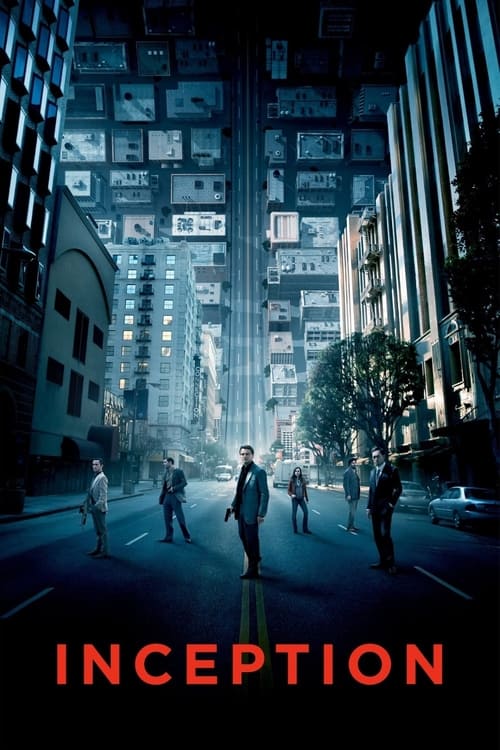
Inception remains the gold standard for mind-bending cinema. Nolan doesn’t just play with time - he stacks dreams within dreams until you lose track of which reality is real. The spinning top becomes more than a plot device; it’s a question mark hovering over the entire film. Even the ending refuses to give you closure.
The beauty of Interstellar lies in how it makes complex physics emotionally devastating. When Cooper realizes he’s been trying to communicate with his daughter through time itself, the science fiction becomes deeply personal. Those bookshelf scenes still give me chills.
Eternal Sunshine of the Spotless Mind approaches memory erasure with heartbreaking honesty. As Joel’s memories of Clementine get deleted, we experience his desperate attempts to hide their good moments in unexpected corners of his mind. It’s confusing by design - memories aren’t chronological, so why should the film be?
Reality Check Required
These films question the nature of reality itself, often leaving you unsure what’s real and what’s constructed.
The Matrix changed everything when it asked: what if your entire world is a simulation? The red pill/blue pill choice isn’t just a plot point - it’s a philosophical challenge that still resonates today. Those bullet-time sequences weren’t just cool effects; they visualized the glitches in perceived reality.
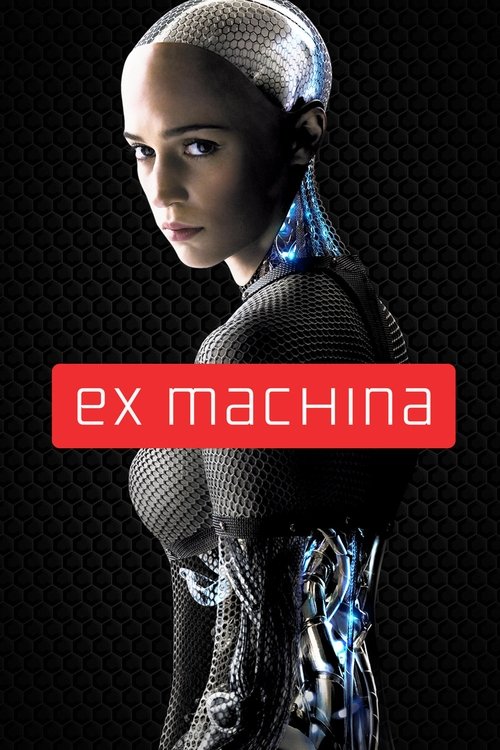
Ex Machina plays mind games on multiple levels. While Caleb thinks he’s testing Ava’s artificial intelligence, she’s actually testing his humanity. The film’s sterile aesthetic reinforces the uncomfortable questions about consciousness, manipulation, and what makes us human.
Blade Runner 2049 doesn’t just continue the original’s themes - it amplifies them. K’s journey to discover whether his memories are real becomes a meditation on identity and purpose. That scene where he realizes he might not be “the chosen one” hits harder than any action sequence.
Narrative Labyrinths
Some films deliberately confuse you by fragmenting their stories, forcing you to piece together the truth like a detective.
Everything Everywhere All at Once throws every possible universe at you simultaneously. It’s overwhelming by design - Evelyn’s confusion becomes yours as she jumps between realities where she’s a movie star, a rock, or a hot dog-fingered being. The chaos serves the emotional story underneath.
Arrival reveals its central twist gradually: learning an alien language doesn’t just change how Louise communicates, it changes how she experiences time. When you realize she’s been seeing her daughter’s entire life simultaneously, the film transforms from first contact story to meditation on love and loss.

Fight Club hides its twist in plain sight through unreliable narration. The Narrator’s insomnia-fueled confusion becomes ours, making Tyler Durden’s revelation feel inevitable in hindsight. Fincher plants visual clues throughout - single-frame flashes of Tyler before he officially appears.
Genre-Bending Confusion
These films refuse to stay in one genre, shifting tone and style in ways that disorient viewers.
Parasite starts as dark comedy, becomes thriller, then explodes into horror. Bong Joon-ho doesn’t just change genres - he uses these shifts to reflect the unpredictable nature of class warfare. That basement reveal recontextualizes everything you thought you understood about the Parks’ house.
Get Out disguises its horror within social thriller conventions. The Sunken Place isn’t just a scary concept - it’s a brilliant metaphor for the Black experience in liberal white spaces. When Chris realizes he’s not paranoid, he’s in danger, the genre shift feels like waking up from a nightmare into a worse reality.
Psychological Puzzles
These films mess with your head by exploring fractured psyches and unreliable perspectives.
Hereditary presents family trauma as supernatural horror. Annie’s grief over her mother’s death becomes literally haunting when the film reveals the cult’s long-term manipulation. That telephone pole scene works because it’s both shocking and inevitable.
Visual Mind-Benders
Some films confuse through pure visual storytelling, using cinematography and editing to disorient viewers.
Mad Max: Fury Road creates narrative confusion through relentless action. The film throws you into its world without explanation, forcing you to piece together the post-apocalyptic society through visual cues and character actions rather than exposition.
Spider-Man: Into the Spider-Verse uses different animation styles to represent different realities colliding. When multiple Spider-People occupy the same space, the visual chaos reflects Miles’ confusion about his new powers and responsibilities.
Films That Demand Multiple Viewings
These movies reveal new layers each time you watch them, often completely recontextualizing earlier scenes.
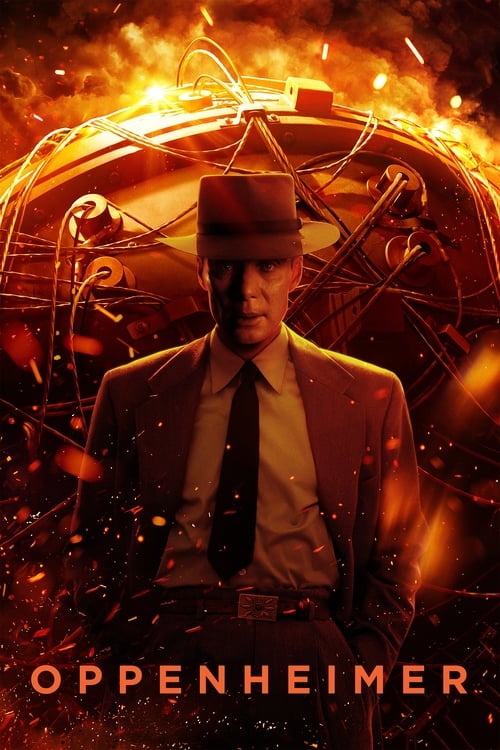
Oppenheimer jumps between three different timelines without clearly marking the transitions. Nolan forces you to piece together the chronology while experiencing Oppenheimer’s fractured mental state during the security hearings. The black and white sequences aren’t just stylistic - they represent different perspectives on the same events.
The Social Network presents conflicting testimonies about Facebook’s creation without declaring which version is true. Sorkin’s script deliberately contradicts itself, mirroring how memory and ego distort our personal narratives.
Se7en hides clues throughout that only make sense after the shocking finale. When you rewatch and notice how John Doe has been orchestrating everything from the beginning, the film becomes even more disturbing.
The best confusing movies don’t just puzzle you - they reward your confusion with deeper understanding. They trust you to be an active participant rather than a passive observer. These 17 films will challenge you, frustrate you, and ultimately change how you think about storytelling itself.
Ready to have your mind properly twisted? Start with Inception and work your way through our complete collection of brain-bending cinema. Just don’t blame me when you find yourself questioning reality.
Discover Your Next Favorite Film
Browse our curated collection of movie trailers and find something new to watch tonight.
Browse Trailers