29 Movies Set in One Location
Films.io Editorial
5 min read
When filmmakers strip away elaborate sets, exotic locations, and sweeping camera movements, something magical happens. They’re forced to rely on pure storytelling craft, tight dialogue, character development, and atmospheric tension. These “bottle films,” set primarily in a single location, prove that great cinema doesn’t need a massive budget or globe-trotting adventure to grip audiences.
The best single location movies turn their spatial constraints into strengths. A cramped jury room becomes a pressure cooker for moral debate. A luxury hotel transforms into a surreal nightmare. A small apartment evolves into the entire universe of two lovers meeting after years apart. These films remind us that cinema’s greatest power lies not in spectacle, but in human drama.
Confined Spaces, Infinite Stories
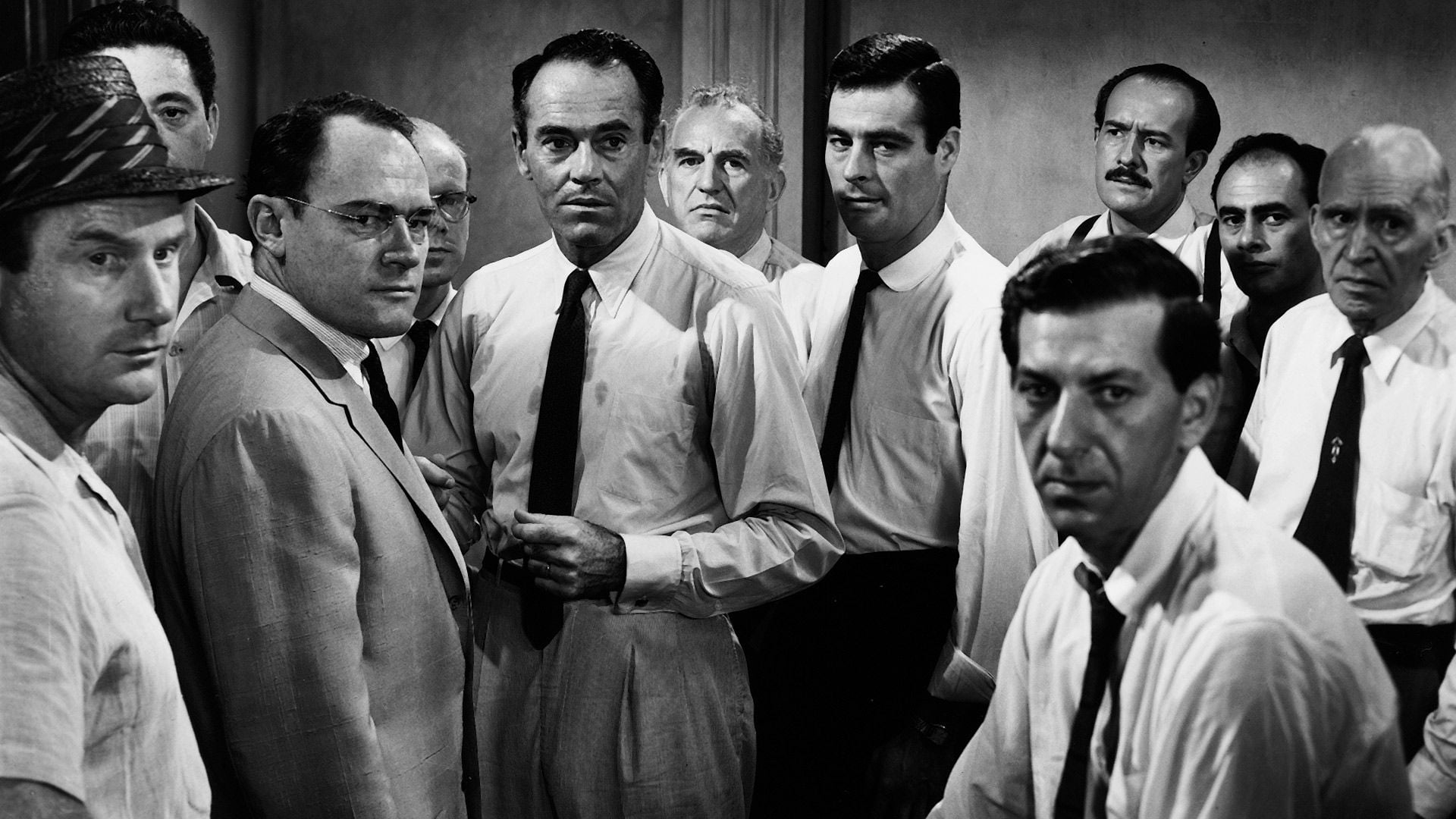
Some of the most memorable bottle films take place in locations where people can’t simply walk away. 12 Angry Men remains the gold standard here, Henry Fonda and eleven other jurors locked in deliberation, with the camera slowly tightening as tempers flare and prejudices surface. The single jury room becomes a microcosm of American justice and social tensions.
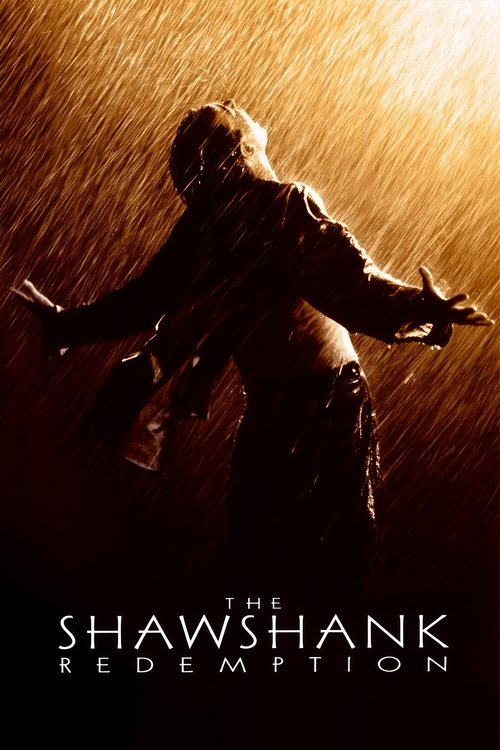
Prison films naturally lend themselves to this approach. The Shawshank Redemption may venture beyond the prison walls, but its heart lives within those gray stone barriers. The confined setting forces viewers to experience the claustrophobia and routine that define prison life, making Andy’s eventual escape feel truly liberating.
Buried takes confinement to its logical extreme, Ryan Reynolds trapped in a coffin for the entire runtime. It’s a one-man show that proves you can build unbearable tension with nothing but a wooden box, a cell phone, and a gifted actor. The single location becomes both the story’s setting and its central antagonist.
Domestic Dramas Behind Closed Doors
Home should feel safe, but bottle films often transform familiar domestic spaces into arenas for conflict. Who’s Afraid of Virginia Woolf? traps viewers in George and Martha’s living room for a brutal night of psychological warfare. Elizabeth Taylor and Richard Burton tear each other apart while their guests watch in horror. The single location intensifies every insult and revelation.
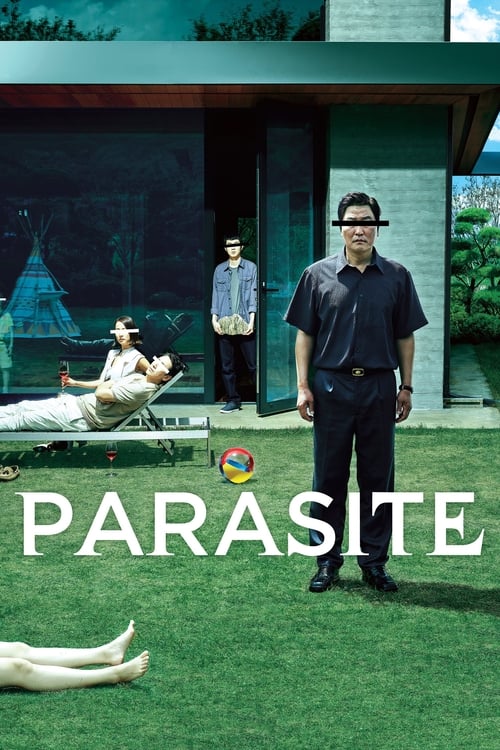
Parasite brilliantly uses the contrast between two homes to explore class warfare. While not strictly a single location film, Bong Joon-ho confines most of the action to the Parks’ pristine house and the Kims’ semi-basement apartment. The careful geography of these spaces becomes crucial to understanding the characters’ social positions and ultimate fates.
The Hateful Eight proves Quentin Tarantino can work his magic in confined spaces. Set almost entirely in a single cabin during a Wyoming blizzard, the film becomes a locked-room mystery where every character harbors deadly secrets. The claustrophobic setting ratchets up paranoia as viewers try to identify the villain among this collection of unsavory characters.
Transportation Tension
Moving vehicles create unique challenges for bottle films, characters are trapped together but constantly in motion. Phone Booth confines Colin Farrell to a Manhattan phone booth under a sniper’s crosshairs. The brilliant conceit forces the entire story to unfold through phone conversations while the camera prowls around the glass box.
Locke takes this concept even further. Tom Hardy drives alone on a highway for the entire film, with the story unfolding through hands-free phone calls. It sounds impossibly boring on paper, but Hardy’s performance and the escalating crises in his character’s life create surprising emotional intensity.
Stage to Screen Adaptations
Many successful bottle films began life on stage, where single locations are the norm rather than an artistic choice. Glengarry Glen Ross transforms David Mamet’s play into a claustrophobic real estate office where desperate salesmen fight for survival. The confined setting amplifies the competitive atmosphere and moral compromises.
Fences brings August Wilson’s Pulitzer Prize-winning play to the screen with Denzel Washington directing and starring. Set primarily in the backyard of a 1950s Pittsburgh home, the film uses the single location to explore racial tensions, family dynamics, and deferred dreams. The fence itself becomes a powerful metaphor for the barriers characters face.

Sleuth showcases how a single elegant setting can accommodate multiple plot twists. Laurence Olivier and Michael Caine engage in an elaborate game of cat and mouse within a sprawling English manor. The house’s many rooms and secret passages become chess pieces in their psychological warfare.
Horror in Confined Spaces
Horror films naturally gravitate toward trapped scenarios, and some of the genre’s best entries are bottle films. The Thing (John Carpenter’s 1982 version) isolates its characters in an Antarctic research station where paranoia becomes as deadly as the alien threat. The remote location means no escape and no help coming, perfect conditions for mounting dread.
Green Room confines a punk band to a neo-Nazi club’s back room after they witness a murder. The single location becomes a fortress under siege, with Anton Yelchin and his bandmates fighting for survival against Patrick Stewart’s chilling white supremacist leader. The cramped quarters make every moment feel desperate and dangerous.
Get Out primarily unfolds at the Armitage family estate, using the isolated location to build racial tension and supernatural horror. Jordan Peele transforms a weekend visit into a nightmare where every room holds new terrors and escape seems impossible.
Restaurant and Bar Settings
Food service establishments provide natural bottle film locations, places where people gather, tensions simmer, and drama erupts. Waiting. captures the chaos of chain restaurant culture during a single shift. While the comedy can be crude, it accurately depicts the pressure cooker environment of food service work.
The Breakfast Club may be set in a high school, but it functions as a bottle film within the library where five students serve Saturday detention. John Hughes uses the confined setting to strip away teen stereotypes and reveal the complex individuals underneath their social roles.
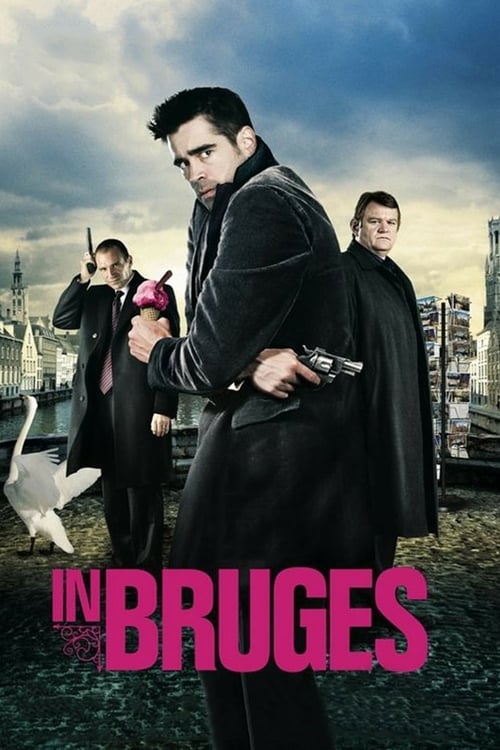
While In Bruges ventures throughout the Belgian city, much of its emotional weight comes from intimate conversations in hotel rooms, restaurants, and bars. The film uses these confined spaces for character development between the action sequences, proving that bottle film techniques can enhance larger narratives.
These films prove that cinema’s greatest moments often happen when filmmakers embrace limitations rather than fighting them. When you can’t dazzle with spectacle, you must perfect character, dialogue, and atmosphere. The result is often more memorable than any explosion or chase sequence.
Browse our full collection to discover more films that prove great stories don’t need vast budgets or exotic locations, sometimes the most powerful cinema happens in the smallest spaces.
Discover Your Next Favorite Film
Browse our curated collection of movie trailers and find something new to watch tonight.
Browse Trailers