Movies About Time and Aging
Films.io Editorial
5 min read
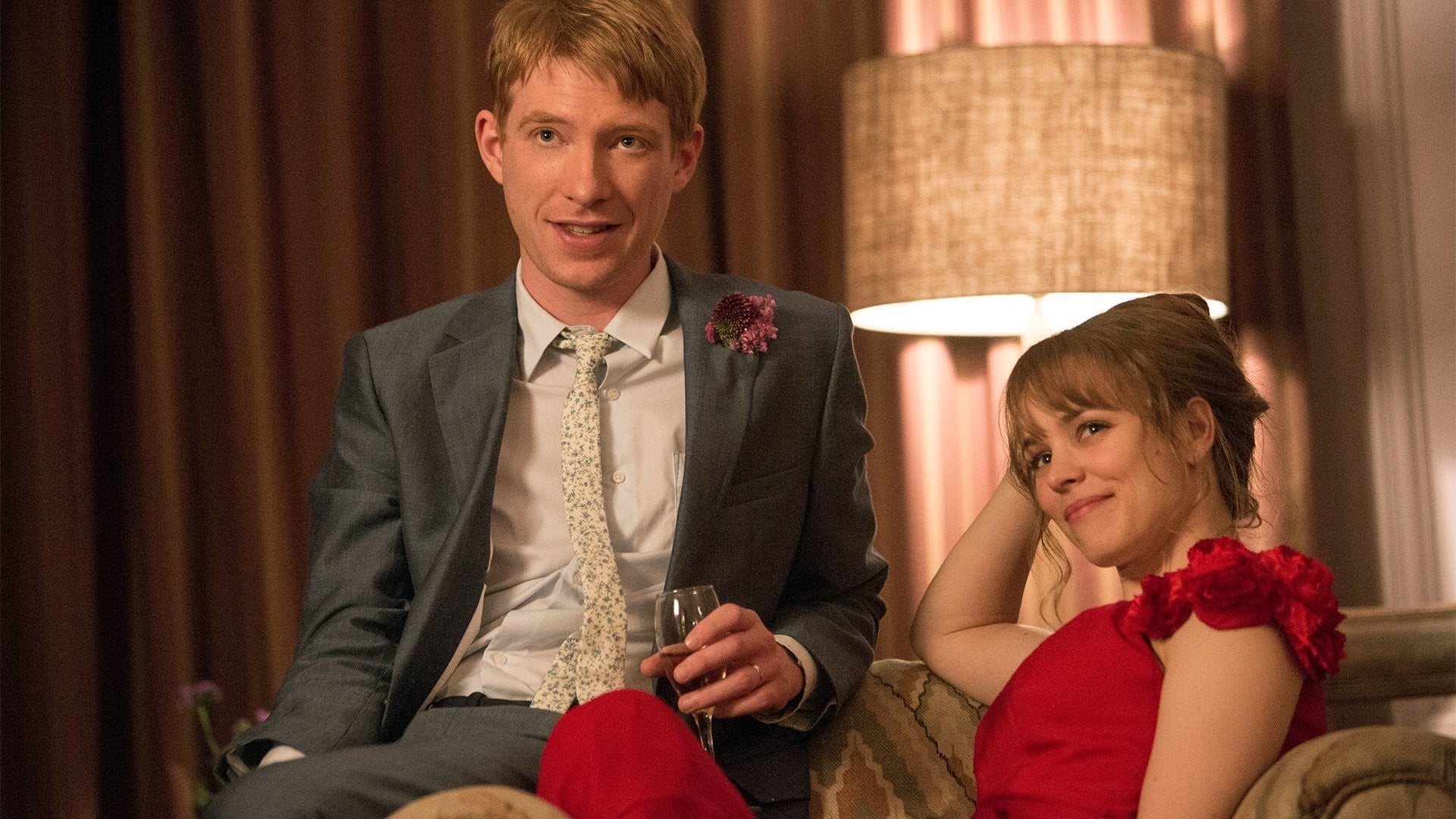
Time has always been cinema’s most fascinating obsession. From the ticking clocks in High Noon to the memory-bending loops of Groundhog Day, filmmakers have used temporal themes to explore everything from mortality to regret to the very nature of existence. But some films take this fascination further, using time not just as a plot device but as a lens through which to examine what it means to grow old, to change, and ultimately to face our own finite nature.
The best movies about time and aging don’t just show us characters getting older. They force us to confront uncomfortable truths about how quickly life passes and how little control we have over it. These films understand that time isn’t just about clocks and calendars, it’s about the weight of choices, the ache of missed opportunities, and the bittersweet recognition that every moment is both precious and fleeting.
When Memory Becomes the Enemy
Some of the most powerful temporal films explore how our relationship with time changes as we age. Eternal Sunshine of the Spotless Mind presents memory as both blessing and curse, asking whether we’d really want to erase painful experiences if we could. The film’s non-linear structure mirrors how memory actually works, not as a clean timeline, but as fragments that surface unexpectedly, triggered by smell or sound or the way light hits a wall.
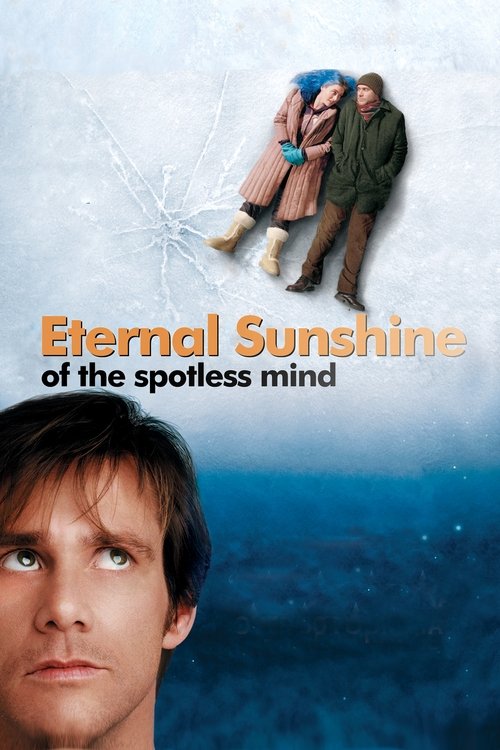
The genius of Michel Gondry’s approach is how it makes the abstract concrete. When Joel’s memories literally crumble around him, we feel the vertigo of losing pieces of ourselves. It’s a visceral representation of what aging can feel like, watching parts of who we were slip away, sometimes gracefully, sometimes fighting every step.
The Weight of Accumulated Time
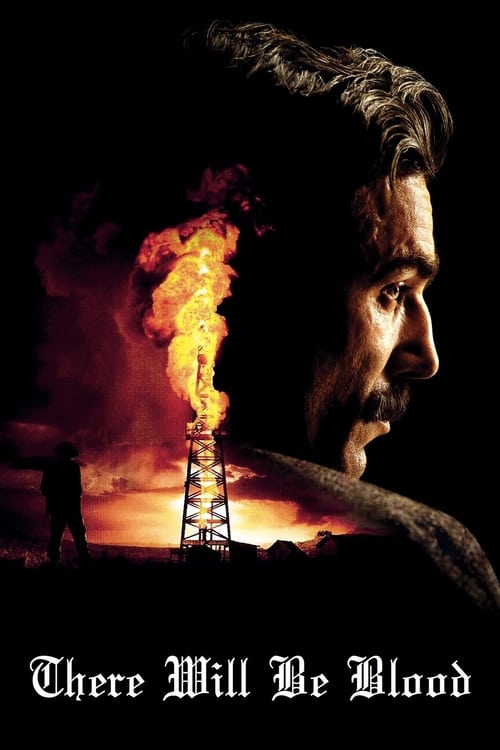
Then there are films that focus on the sheer accumulation of years and experiences. There Will Be Blood follows Daniel Plainview across decades, showing how ambition and isolation can calcify into something monstrous. Paul Thomas Anderson doesn’t use flashy time-jumping techniques here. Instead, he lets us feel the weight of years through Daniel Day-Lewis’s increasingly hunched posture, the way his voice grows more ragged, the mounting paranoia that comes from too many betrayals over too much time.
The film’s final bowling alley scene is devastating precisely because we’ve watched Plainview become this creature of accumulated resentments. Time has transformed him, but not in the way we might expect from a traditional character arc. He hasn’t learned or grown, he’s hardened, like sediment compressed into stone.
Time as Prison and Liberation
Christopher Nolan has built his career on temporal complexity, but Interstellar might be his most emotionally resonant exploration of time’s cruel mathematics. The film’s central heartbreak isn’t the science fiction spectacle, it’s Cooper watching decades of his daughter’s life compress into hours of video messages. Nolan makes the abstract concept of time dilation painfully personal.
The movie understands that aging isn’t just about our own mortality. It’s about watching the people we love change and grow older while we’re powerless to stop it. When Cooper returns to find his daughter an old woman, it’s not just sad, it’s terrifying. Time has robbed them of a lifetime together, and no amount of love can get those years back.
What makes Interstellar work is how it grounds its big cosmic ideas in small human details. The dust on the dashboard, Murph’s anger, the way Cooper’s hands shake when he realizes what he’s lost. These moments remind us that time’s passage is felt most acutely in the spaces between people.
The Wisdom and Folly of Age
Not all movies about aging present time as an enemy. The Holdovers finds unexpected grace in the relationship between a crusty old teacher and a lonely student. Paul Giamatti’s Paul Hunham has been shaped by decades of disappointment, but the film suggests that this accumulated experience, even the painful parts, has value.
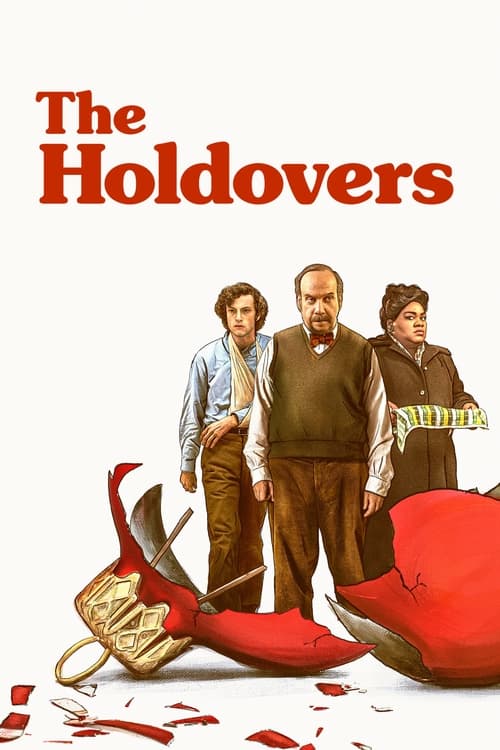
The beauty of Alexander Payne’s approach is how he avoids easy sentiment. Hunham doesn’t suddenly become warm and fuzzy. Instead, the film shows how time can create unexpected connections, how the loneliness and disappointment that comes with age might actually prepare us to help someone else navigate their own difficult passage through time.
Present Tense, Future Shock
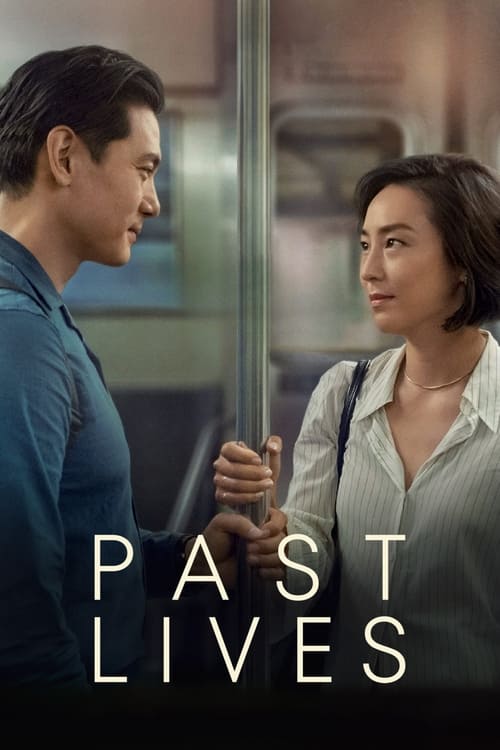
Modern films about aging often grapple with how technology changes our relationship with time. Past Lives uses the concept of “In-Yun”, the idea that chance encounters are built on thousands of years of shared past, to explore how time shapes romantic possibility. Celine Song’s film is patient in a way that mirrors how real relationships develop over decades, not minutes.
The film’s structure, checking in on the characters across multiple time periods, creates a sense of life’s natural rhythm. We see how people change, how circumstances shift, how feelings evolve. It’s a more realistic portrayal of how time affects relationships than the compressed emotional arcs we usually see in movies.
The Horror of Time
Some films treat aging and temporal passage as genuinely frightening. Hereditary uses the idea of inherited trauma, how pain passes from one generation to the next, to create horror that’s both supernatural and deeply human. Ari Aster understands that one of our greatest fears is becoming our parents, repeating their mistakes, passing on their damage.
The film’s depiction of family history as an inescapable curse taps into anxieties about how time traps us in patterns we can’t break. We watch Annie struggle against forces that seem to have been set in motion long before she was born, and the horror comes from recognizing how little control we have over the shape our lives take.
These movies work because they don’t treat time and aging as abstract concepts. They make us feel the weight of years, the panic of opportunities missed, the strange comfort that can come from accepting our place in the flow of time. Whether they’re showing us characters fighting against time’s passage or learning to move with it, the best films about aging understand that time is the one force that touches every human story. We can’t stop it, but we can learn to see the beauty in how it changes us, even when that change hurts.
For more films that explore the complexities of human experience across time, browse our full collection of thoughtfully curated cinema.
Discover Your Next Favorite Film
Browse our curated collection of movie trailers and find something new to watch tonight.
Browse Trailers