17 Cult Classic Movies Everyone Should See
Films.io Editorial
5 min read

Cult classic movies occupy a strange, wonderful space in cinema. They’re the films that didn’t necessarily set the box office on fire during their initial release, but somehow managed to burrow deep into the cultural consciousness. These are movies that find their audience through midnight screenings, college dorms, and word-of-mouth recommendations. They’re the films that inspire obsessive rewatches, passionate debates, and devoted fan communities.
What makes a movie “cult”? It’s not just about being weird or unconventional, though many cult classics certainly are. It’s about creating something so distinctive, so unapologetically itself, that it transcends traditional measures of success. These films often challenge audiences, subvert expectations, or present unique worldviews that mainstream cinema wouldn’t dare touch.
The Rebellious Spirit

Cult classics often emerge from a place of rebellion against conventional filmmaking. They’re made by directors who refuse to play by Hollywood’s rules, actors willing to take risks, and writers who have something urgent to say. Fight Club perfectly embodies this spirit. David Fincher’s adaptation of Chuck Palahniuk’s novel was initially dismissed by many critics and performed modestly at the box office. But its razor-sharp critique of consumer culture and masculine identity struck a chord with audiences hungry for something more subversive than typical studio fare.
The film’s underground philosophy and shocking twists made it perfect for late-night viewings and dorm room discussions. It’s the kind of movie that reveals new layers with each viewing, rewarding the obsessive attention that cult audiences bring to their favorite films. The fact that it initially puzzled mainstream audiences only added to its underground appeal.
Similarly, Pulp Fiction revolutionized cinema by scrambling chronology and celebrating pop culture with an infectious energy. Tarantino’s dialogue crackles with references and rhythms that audiences couldn’t get enough of. People didn’t just watch it once, they memorized entire scenes, quoted lines endlessly, and analyzed every pop culture reference.
Midnight Movie Madness
Some cult classics are born in the darkness of midnight screenings, where audiences become part of the show itself. These films create communal experiences that transform passive viewing into interactive performance. The midnight movie tradition gave us some of cinema’s most beloved oddities.
Rocky Horror Picture Show remains the gold standard for audience participation films. But beyond the callbacks and costumes, it’s a genuinely subversive piece of filmmaking that celebrates sexual freedom and gender fluidity in ways that were radical for 1975. The film’s cult status comes not just from its interactive elements, but from its bold embrace of themes that mainstream cinema avoided.
Blade Runner (the original 1982 version) found its cult following through home video and revival screenings. Ridley Scott’s vision of future Los Angeles was too dense and philosophical for many initial viewers, but science fiction fans recognized something special. The film’s questions about humanity, memory, and identity deepened with each viewing, creating the kind of rich text that cult audiences crave.
Genre-Bending Mavericks

Cult classic movies often succeed by refusing to fit neatly into established genres. They create their own categories, mixing elements in ways that confuse marketing departments but delight adventurous viewers. The Matrix arrived in 1999 with a premise so audacious that it required multiple viewings just to process. The Wachowskis crafted a film that worked as both a philosophical meditation on reality and a kinetic action spectacular.
What made The Matrix truly cult-worthy was how it operated on multiple levels simultaneously. Surface viewers got incredible action sequences and groundbreaking special effects. Deeper viewers found allegories about everything from religious awakening to transgender identity. The film’s dense mythology spawned countless theories and interpretations, exactly the kind of analytical obsession that defines cult followings.
Eternal Sunshine of the Spotless Mind similarly defied easy categorization. Michel Gondry’s film combined Charlie Kaufman’s mind-bending screenplay with deeply emotional performances from Jim Carrey and Kate Winslet. It’s simultaneously a science fiction concept film and an intimate relationship drama, requiring viewers to engage with both its high-concept premise and its emotional truth.
Underground Gems
Independent filmmakers have always been crucial to the cult movie ecosystem. They’re willing to explore subjects and styles that major studios wouldn’t touch. Whiplash started as a short film that Damien Chazelle expanded into a feature that captures the obsessive nature of artistic pursuit. The film’s intense focus on the relationship between a student and an abusive teacher creates the kind of uncomfortable viewing experience that cult audiences embrace.
The Staying Power
What separates true cult classics from mere curiosities is their ability to remain relevant across generations.
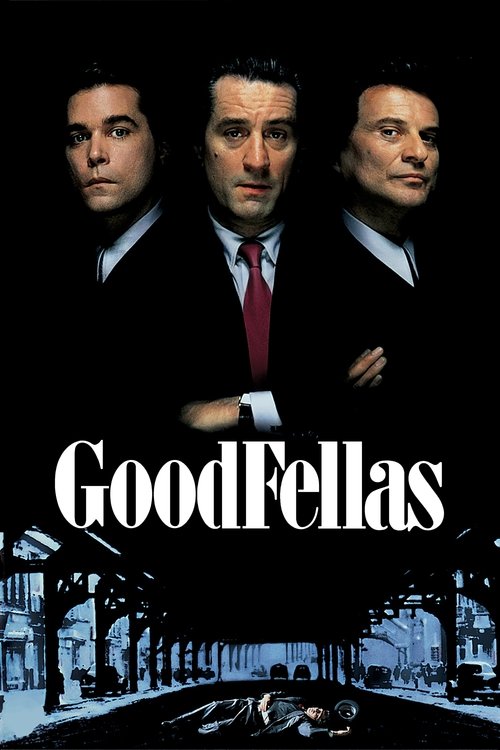
Goodfellas achieves cult status through Martin Scorsese’s infectious energy and the way it makes viewers complicit in Henry Hill’s criminal lifestyle. The film’s famous tracking shot through the Copacabana isn’t just technical showing off - it’s a seductive invitation into a world that audiences know they shouldn’t enjoy as much as they do. That moral complexity keeps people coming back.
The best cult classic movies create their own universes with distinct rules, aesthetics, and philosophies. They don’t just tell stories, they create worlds that viewers want to inhabit and explore. In Bruges transforms a Belgian city into a purgatorial setting where dark comedy and genuine pathos coexist. Martin McDonagh’s film finds humor in the darkest places while never dismissing the real pain his characters experience.
These films endure because they respect their audiences’ intelligence and emotional complexity. They don’t provide easy answers or comfortable resolutions. Instead, they create rich experiences that improve with repeated viewings and discussions with fellow enthusiasts.
The cult classic movie canon continues to grow as new generations of filmmakers push boundaries and challenge expectations. Whether they start as underground sensations or misunderstood mainstream releases, the best cult films share a commitment to distinctive vision and uncompromising artistic integrity. Browse our full collection to discover more films that have earned devoted followings through their unique approaches to storytelling and their willingness to be different.
Discover Your Next Favorite Film
Browse our curated collection of movie trailers and find something new to watch tonight.
Browse Trailers