Introduction to Documentary Films
Films.io Editorial
5 min read

Documentaries don’t get the respect they deserve. While blockbusters grab headlines and streaming algorithms push the latest series, some of the best documentary films quietly change how we see the world. They dig into stories that matter, reveal truths that fiction can’t touch, and stick with you long after the credits roll.
The best documentaries feel like detective work. You’re piecing together clues, following leads, and discovering something you never expected. Take Parasite - while it’s fiction, it captures the documentary spirit of exposing hidden class dynamics. Real documentaries do this with actual lives, actual consequences.
What Makes a Documentary Essential
Great documentaries share common threads. They ask questions that need asking. They give voice to people who’ve been ignored. They take you places you can’t go on your own. But most importantly, they change something in you.
The best ones don’t just inform - they transform. After watching Won’t You Be My Neighbor?, you see kindness differently. Free Solo makes you question what drives human ambition. The Act of Killing forces you to confront evil in a way that’s almost unbearable.
Technical excellence matters too. Documentary filmmaking has exploded in quality over the past decade. Cameras got smaller and better. Editing software became accessible. Most importantly, filmmakers learned that truth doesn’t have to be boring.
The Power of Personal Stories
The most powerful documentaries often start small. One person’s story becomes a window into something universal. RBG follows one woman but reveals decades of legal progress. Won’t You Be My Neighbor? explores Fred Rogers but captures the soul of children’s television.
Personal stories work because they’re specific. Instead of talking about “healthcare in America,” a great documentary shows you one family fighting insurance companies. Instead of explaining “the opioid crisis,” it follows one town watching its kids disappear.
This specificity creates empathy in ways that statistics can’t. When The Shawshank Redemption makes you care about Andy Dufresne, you start caring about prison reform. When a documentary shows you a real person in a similar situation, that empathy becomes action.
Different Types, Different Impacts
Documentary forms have multiplied. The talking-heads-and-archival-footage model still works, but filmmakers keep pushing boundaries.
Observational docs drop you into ongoing situations. Minding the Gap follows skateboarders over years, capturing how childhood trauma shapes adult relationships. You’re not being told a story - you’re living alongside it.
Investigative documentaries work like journalism with a movie budget. Icarus stumbled onto the Russian doping scandal. The Inventor tracked Elizabeth Holmes before she became a household name. These films break news while telling engaging stories.
Experimental documentaries blur fiction and reality. Stories We Tell mixes family footage with recreated scenes until you can’t tell which is which. Exit Through the Gift Shop might be the world’s most expensive prank, but it says something true about art and authenticity.
Why Documentary Films Matter Now
We’re drowning in information but starving for understanding. Social media gives us fragments. News gives us headlines. Documentaries give us context.
They also provide counter-narratives to Hollywood’s version of everything. Where blockbusters need heroes and villains, documentaries show you complexity. Real people make contradictory choices. Real situations don’t resolve neatly.
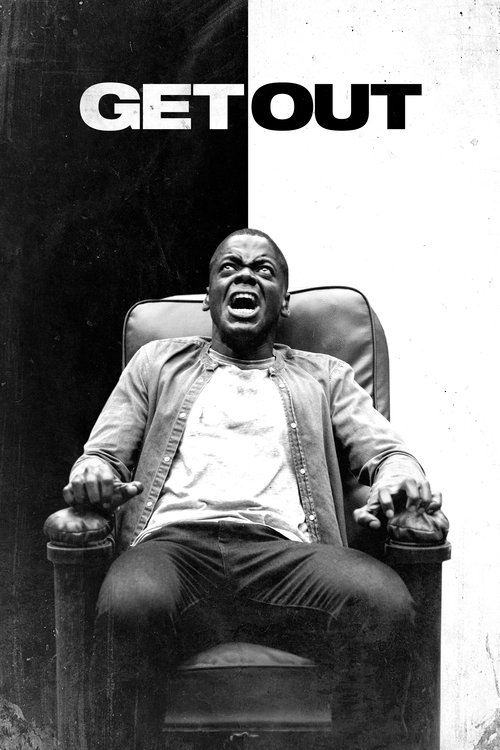
Consider how documentaries handle social issues compared to fiction. Get Out brilliantly exposes liberal racism through horror. But 13th traces the actual history of mass incarceration from slavery to today. Both are essential, but they work differently.
The Documentary Renaissance
Streaming platforms sparked a documentary boom. Netflix, HBO, and others pour money into non-fiction content because it’s relatively cheap to produce and builds devoted audiences. This funding unlocked stories that wouldn’t have been told otherwise.
Making a Murderer showed how serialized documentary storytelling could grip audiences like any thriller. Tiger King proved that reality could be stranger than any fiction. My Octopus Teacher reminded us that nature documentaries could be deeply personal.
The downside? Some documentaries now prioritize entertainment over truth. The line between documentary and reality TV keeps blurring. But the best filmmakers use this new attention to tackle bigger subjects with bigger budgets.
Where to Start
If you’re new to documentaries, start with subjects you already care about. Love music? Try 20 Feet from Stardom or Searching for Sugar Man. Fascinated by technology? The Social Dilemma or AlphaGo. Interested in justice? Just Mercy (the documentary, not the feature film).
Don’t feel like you need to start with “important” topics. Jiro Dreams of Sushi is about making sushi, but it’s really about perfection and aging. The King of Kong follows grown men competing at Donkey Kong, but it captures something essential about competition and American masculinity.
The key is finding films that respect both their subjects and their audience. The best documentary films trust you to handle complexity, to sit with uncomfortable truths, to think for yourself.
Browse our full collection to discover documentaries alongside the narrative films that shaped cinema. Some stories can only be told one way - and sometimes that way is true.
Discover Your Next Favorite Film
Browse our curated collection of movie trailers and find something new to watch tonight.
Browse Trailers