Movies About Class and Inequality
Films.io Editorial
5 min read

Cinema has always been humanity’s most powerful mirror, reflecting our deepest anxieties about power, privilege, and the often brutal mathematics of survival. When filmmakers turn their cameras toward class warfare, they reveal truths that politicians spend careers trying to hide. The best movies about class inequality don’t just show us the gap between rich and poor - they make us feel it in our bones.
These films strip away comfortable illusions and force us to confront uncomfortable questions. Who deserves wealth? What does poverty actually cost? And perhaps most unsettling of all: how far would you go to climb the ladder, and what would you do to stay on top?
When Rich Meets Poor: The Collision Point
The most effective class-conscious films understand that tension erupts when different worlds collide. Parasite doesn’t waste time with exposition about inequality - it shows us the Kim family folding pizza boxes in their basement apartment while rich people complain about the smell of the poor. Bong Joon-ho’s masterpiece works because it refuses to paint anyone as purely evil or innocent. Everyone’s just trying to survive in a system rigged against them.

What makes these collision moments so powerful is their intimacy. The Holdovers finds its class commentary in the quiet moments between a privileged prep school student and the working-class cook who actually understands loss. Alexander Payne doesn’t need grand speeches about inequality - he just shows us how differently people grieve when they have money versus when they don’t.
The genius of great class cinema lies in making the personal political without being preachy. When wealth gaps become family drama, audiences can’t look away.
Money Changes Everything
Here’s what Hollywood often gets wrong about wealth: it’s not just about having nice things. Real class privilege is invisible infrastructure - the safety nets, connections, and assumptions that rich people don’t even realize they have. Poor Things turns this dynamic inside out by giving us a protagonist who experiences the world without any class conditioning. Bella Baxter’s journey becomes a surreal exploration of how society shapes us based on what we can afford.
The most honest films about money understand that class isn’t just about bank accounts. It’s about access, opportunity, and the luxury of making mistakes without consequences. When The Social Network shows Mark Zuckerberg casually destroying friendships for profit, it’s not really about tech innovation - it’s about how privilege allows certain people to treat others as disposable.

These films work because they show rather than tell. Rich characters don’t announce their privilege - they simply move through the world assuming doors will open, that second chances exist, that someone else will clean up their messes.
The Violence of Inequality
Class warfare isn’t always metaphorical. Sometimes it involves actual blood. There Will Be Blood frames capitalism as literal violence, with Daniel Plainview bulldozing through anyone who stands between him and profit. Paul Thomas Anderson understands that extreme wealth accumulation requires a certain sociopathic detachment from other people’s suffering.
But violence in class cinema isn’t always physical. Killers of the Flower Moon shows how institutional systems can commit genocide while maintaining plausible deniability. The Osage murders weren’t random crime - they were systematic wealth extraction disguised as individual tragedy.

What separates great class-conscious filmmaking from simple poverty porn is complexity. These directors understand that systems of oppression corrupt everyone they touch - including the oppressed. When movies show only noble poor people victimized by cartoon villains, they miss the real tragedy: how inequality forces everyone into impossible choices.
The Comfort of Upper-Class Problems
One of the cruelest aspects of class inequality is how the wealthy get to treat their emotional problems as universally important. Rich people’s relationship drama becomes prestige television while poor people’s actual survival struggles get dismissed as “depressing” or “political.” The Grand Budapest Hotel takes this dynamic and runs with it, creating a candy-colored world where aristocratic mannerisms matter more than human life.
Wes Anderson’s film works as class commentary precisely because it’s so seductive. We want to live in that beautiful, ordered world - even though it’s built on exploitation and maintained through violence. The movie doesn’t condemn viewers for finding fascism aesthetically pleasing; it just gently asks what that attraction costs.
The best class-conscious cinema doesn’t shame audiences for their privilege. Instead, it makes privilege visible in ways that are impossible to ignore once you see them.
When the System Works as Intended
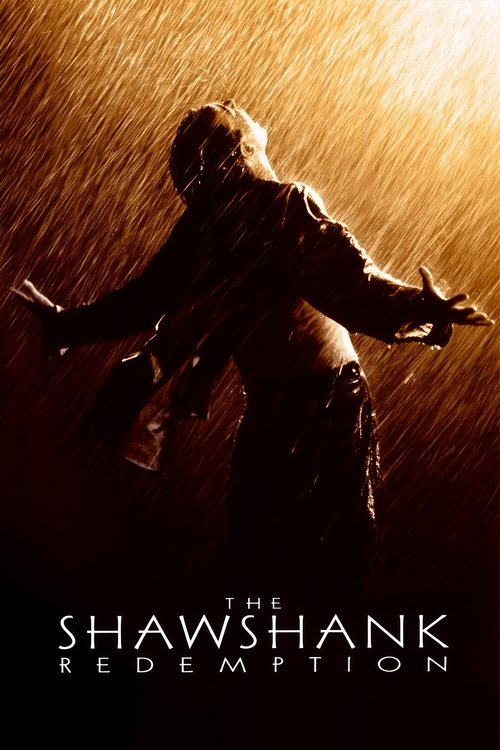
Here’s the most disturbing truth about movies exploring class inequality: they often show systems working exactly as designed. The Shawshank Redemption isn’t really about innocent men wrongly imprisoned - it’s about how prisons generate profit by keeping people locked up regardless of guilt or rehabilitation. The corruption isn’t a bug in the system; it’s the entire point.
Similarly, Whiplash frames abusive mentorship as artistic excellence. The film asks uncomfortable questions about how much suffering we’re willing to accept in pursuit of greatness - and who gets to decide what greatness means. When Andrew bleeds for his art, we cheer. When working-class kids drop out because they can’t afford to bleed, we forget they ever existed.
These films succeed because they refuse easy answers. They show us how inequality perpetuates itself through institutions we’re supposed to respect: schools, prisons, the justice system, even art itself.
The Real Price of Climbing
The most tragic characters in class-conscious cinema aren’t the permanently poor - they’re the climbers who sacrifice everything trying to escape. Whiplash shows us what happens when talent meets institutional gatekeeping. Andrew doesn’t just practice drums; he bleeds for the approval of someone who represents everything he can’t access through merit alone.
This theme appears repeatedly in honest portrayals of class mobility. The cost of climbing isn’t just personal sacrifice - it’s the internalization of the very systems that kept you down. To succeed, you often have to become complicit in excluding others like yourself.
Great films about class understand that escape stories are often tragedy stories in disguise. The few who make it out usually discover that success requires becoming someone they never wanted to be.
Movies about class inequality matter because they reveal the human cost of systems we take for granted. They show us how power really works, who pays the real price for stability, and why change feels so impossible even when everyone agrees the current system is broken. The best of these films don’t offer solutions - they just make the problems impossible to ignore.
If you’re looking to explore these themes further, browse our full collection of films that examine power, privilege, and the price of survival in an unequal world.
Discover Your Next Favorite Film
Browse our curated collection of movie trailers and find something new to watch tonight.
Browse Trailers