The Problem with Modern Horror Sequels
Films.io Editorial
5 min read
Horror franchises used to mean something. You’d get genuinely excited when a new entry dropped because the filmmakers actually cared about advancing the story or exploring new territory. Now? Most horror movie sequels feel like obligation checks written by studios who discovered a profitable formula and decided to milk it until audiences stop showing up.
The landscape has shifted dramatically over the past decade. What started as passionate filmmakers creating iconic monsters and memorable scares has devolved into assembly-line production designed to hit quarterly earnings targets. The result is a flood of sequels that feel hollow, repetitive, and utterly forgettable.
The Formula Problem
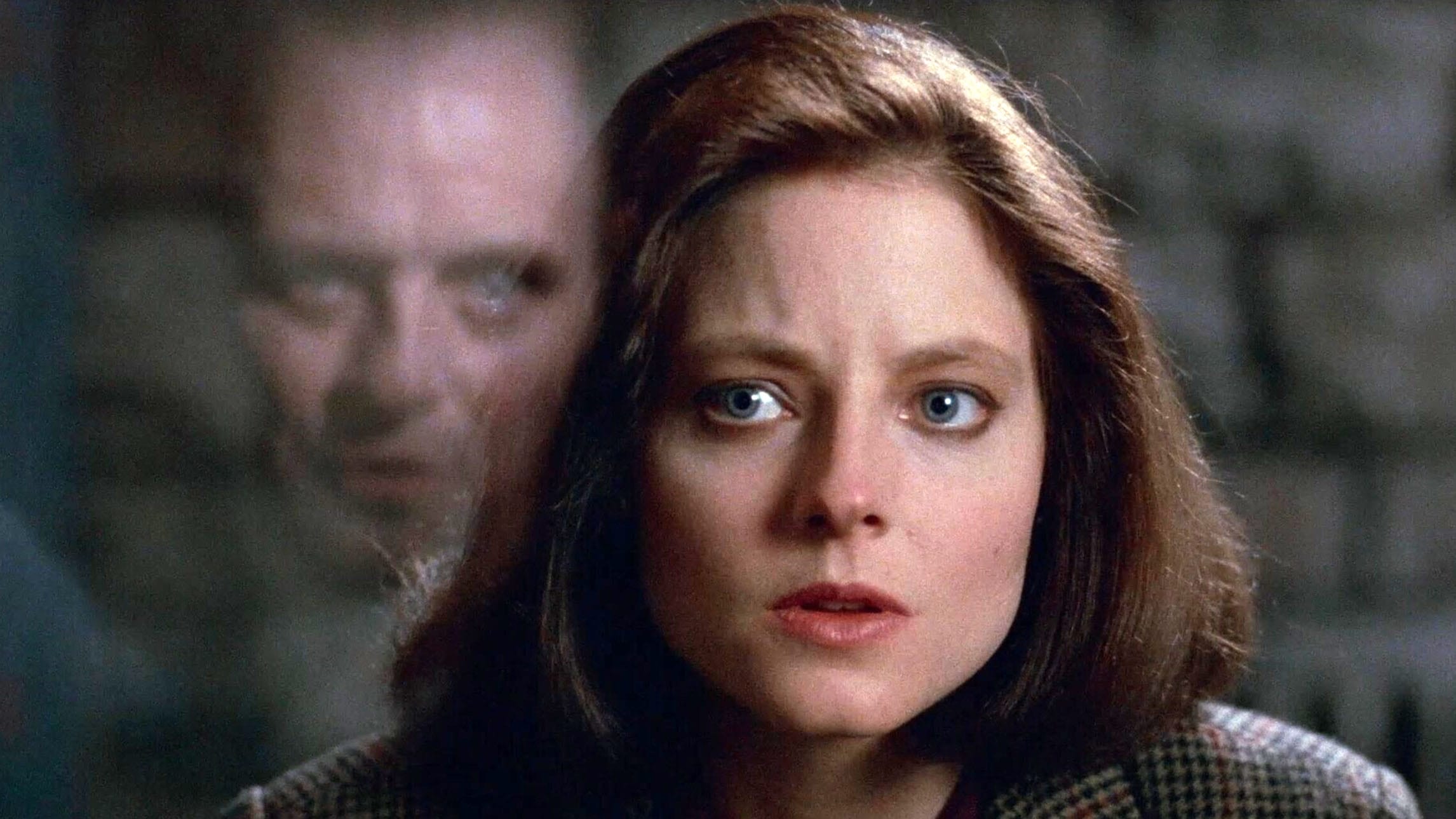
Modern horror sequels follow an exhaustingly predictable pattern. Take the original’s most successful element, amplify it to ridiculous extremes, then add familiar characters making increasingly stupid decisions. The Silence of the Lambs spawned multiple sequels that completely missed what made Hannibal Lecter terrifying in the first place. He wasn’t scary because he ate people. He was scary because of his intelligence and psychological manipulation.
This same reductive thinking plagues contemporary franchises. Studios identify the wrong elements to repeat. They see blood and think “more blood equals more scary.” They see jump scares and think “more jumps equal more thrills.” But horror has never been about volume. It’s about precision.
The most effective horror films understand restraint. They build tension through atmosphere, character development, and genuine dread. When every sequel tries to top the previous film’s body count or gore level, you end up with diminishing returns. The tenth victim becomes as meaningless as video game NPCs.
When Franchises Lose Their Soul
The best horror sequels understand what made the original work on a fundamental level. They don’t just repeat surface elements. They dig deeper into the mythology, explore new angles, or shift the perspective entirely. But that requires actual creative vision, something increasingly rare in franchise filmmaking.
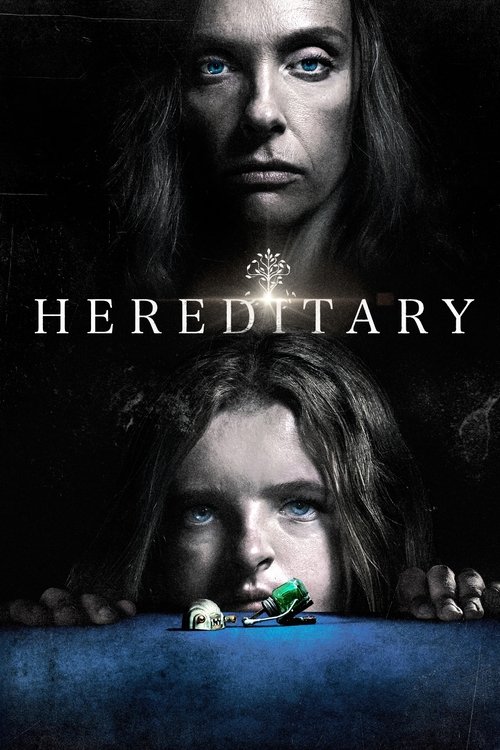
Consider how Hereditary created genuine terror through family trauma and occult dread. Any sequel that focused solely on demonic possession and creepy imagery would miss the point entirely. The film works because it grounds supernatural horror in believable human relationships and psychological breakdown.
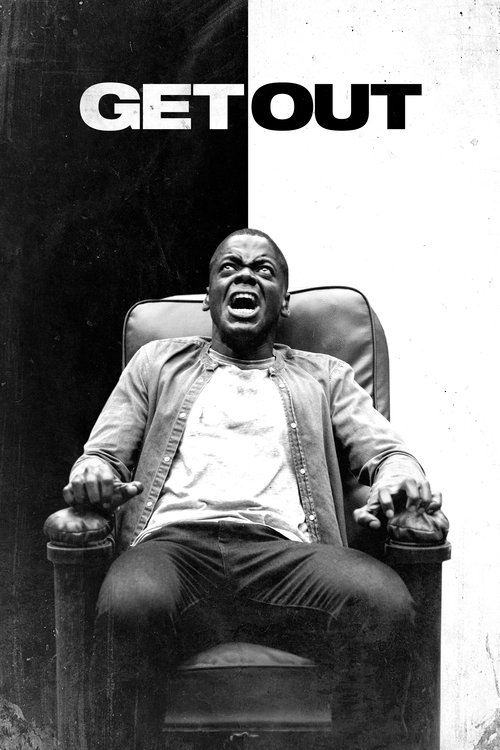
Compare that approach to most franchise horror, where characters exist solely to be killed in increasingly elaborate ways. The original Get Out succeeded because it used horror to explore real social issues with intelligence and purpose. Any sequel that ignores that foundation becomes just another generic thriller.
The Streaming Problem
Streaming platforms have made the sequel problem worse. When Netflix or Amazon needs content to fill their horror sections, they’re more likely to greenlight familiar franchises than take risks on original concepts. This creates an ecosystem where mediocre sequels get made simply because they have recognizable titles.
The speed of streaming production also hurts quality. Traditional theatrical horror sequels at least had to clear certain commercial hurdles. They needed to attract audiences willing to pay for tickets. Streaming sequels just need to keep subscribers from canceling, which is a much lower bar.
This has led to horror franchises that feel more like content than cinema. They check the right boxes on algorithm-friendly categories, but they lack the craft and vision that made their predecessors memorable.
What Good Sequels Actually Do
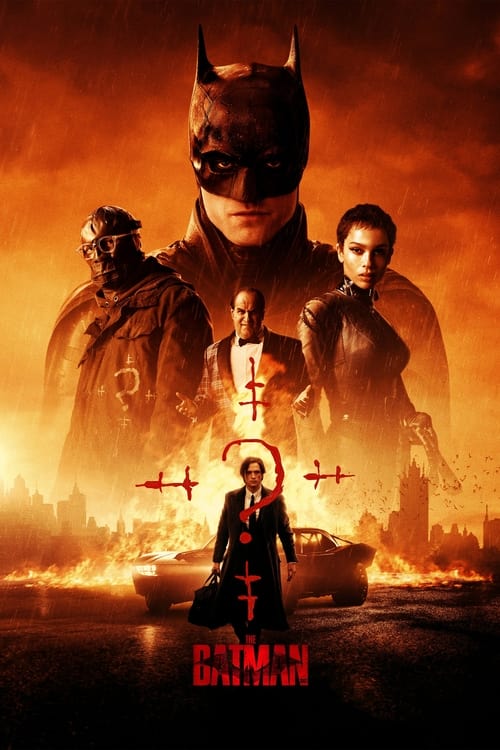
The rare horror sequel that works understands it needs to justify its existence. The Batman isn’t horror, but it shows how to approach sequel-adjacent material correctly. Instead of simply repeating what worked before, it found a fresh angle that honored the source while creating something new.
Good horror sequels either advance the mythology in meaningful ways or shift perspective to explore different aspects of the same world. They don’t rely on familiarity alone. They earn their place by bringing genuine creative vision to established material.
The problem is that kind of approach takes time, effort, and actual talent. It’s much easier to hire a director who will deliver a competent retread that hits familiar beats without challenging audiences or taking real risks.
The Audience’s Role
We’re not entirely innocent here. Horror audiences have developed a tolerance for mediocrity that enables lazy sequelmaking. When we show up for films we know will disappoint us, we’re essentially telling studios that quality doesn’t matter as long as the branding is familiar.
The solution isn’t to avoid all horror sequels. It’s to be more selective about which ones deserve our attention and money. Support the filmmakers who are actually trying to do something interesting with established properties, and skip the obvious cash grabs.
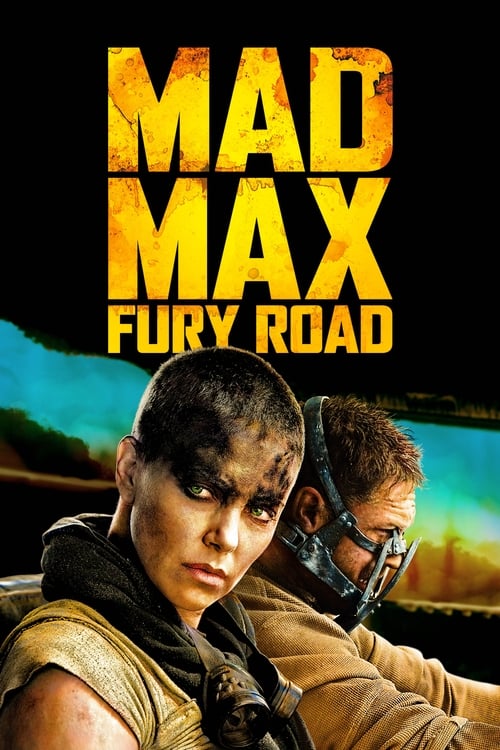
Mad Max: Fury Road proves that decades-later sequels can work when they’re driven by genuine creative passion rather than commercial obligation. George Miller waited until he had something new and vital to say before returning to that world.
Horror needs more filmmakers with that kind of patience and integrity. Until audiences demand better, we’ll keep getting the same recycled scares packaged in increasingly desperate attempts at relevance. The genre deserves better than franchise fatigue masquerading as entertainment.
Browse our collection of horror films to discover genuinely scary movies that earned their reputation through craft, not just brand recognition.
Discover Your Next Favorite Film
Browse our curated collection of movie trailers and find something new to watch tonight.
Browse Trailers