Japanese Cinema Essentials
Films.io Editorial
5 min read
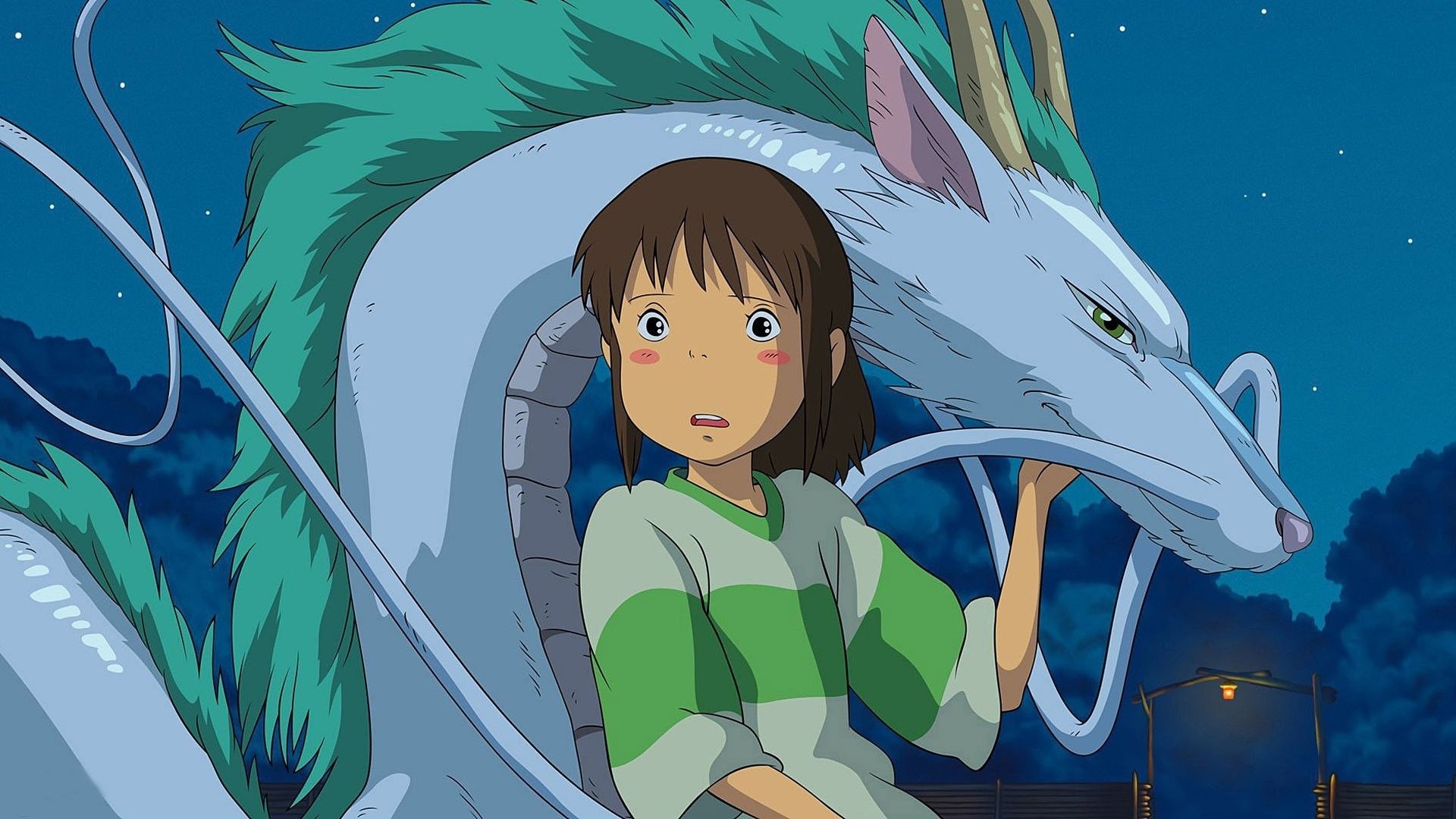
Japanese cinema has shaped global filmmaking in ways that Hollywood is still catching up to. While Western audiences might think of samurai epics or Studio Ghibli animations, the real depth of Japanese movies spans decades of innovation in storytelling, visual poetry, and emotional honesty that puts most contemporary films to shame.
The country that gave us everything from Akira Kurosawa’s sweeping epics to the quiet devastation of Tokyo Story continues to produce films that feel both deeply rooted in Japanese culture and universally human. Whether you’re looking for mind-bending horror, intimate family dramas, or visual spectacles that redefine what cinema can achieve, Japanese filmmakers have been doing it longer and better than almost anyone else.
The Masters Who Changed Everything
Akira Kurosawa remains the most internationally recognized Japanese director, and for good reason. His influence on filmmakers like George Lucas and Martin Scorsese is well documented, but watching Seven Samurai or Yojimbo today still feels like discovering cinema for the first time. Kurosawa understood movement and composition in ways that modern action directors are still trying to decode. His rain scenes alone teach masterclasses in atmosphere that CGI has never matched.
Yasujirō Ozu took the opposite approach, finding profound beauty in stillness. His “pillow shot” technique of showing empty rooms and hallways between scenes creates a rhythm that Western cinema rarely attempts. Tokyo Story remains one of the most devastating family portraits ever captured on film, achieving emotional weight through what isn’t said rather than dramatic speeches.
Kenji Mizoguchi brought a painter’s eye to cinema, creating single-shot sequences that unfold like classical Japanese art. His films about women in feudal Japan carry political weight that still resonates today, wrapped in visual beauty that never feels superficial.
Contemporary Voices Worth Your Time
Modern Japanese cinema didn’t disappear with the golden age directors. Hirokazu Kore-eda creates family dramas that make you question what family actually means. His films like Shoplifters and Still Walking find extraordinary moments in ordinary lives, much like our collection’s intimate dramas that prioritize character over spectacle.
Kiyoshi Kurosawa (no relation to Akira) has mastered psychological horror in ways that put most Western attempts to shame. His use of empty space and sound design creates dread that lingers long after the credits roll. If you appreciate the atmospheric tension in films like Hereditary, Kurosawa’s work will rewire your understanding of what horror can accomplish.
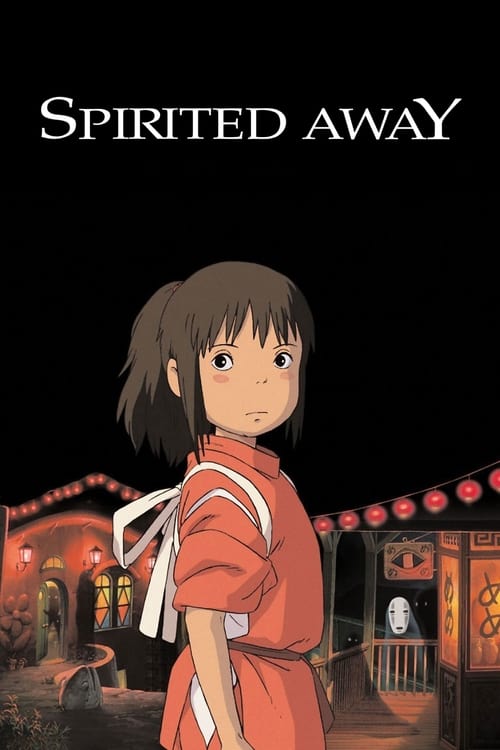
Hayao Miyazaki and Studio Ghibli deserve their own category. Spirited Away proved that animation could carry the same emotional weight as any live-action drama while creating worlds that feel more real than most CGI blockbusters. Miyazaki’s environmental themes and complex female protagonists influenced everything from Pixar’s storytelling approach to modern Disney narratives, showing how Japanese animation elevated the entire medium beyond simple entertainment.
Genres Japan Does Better
Horror: Japanese horror focuses on psychological dread over jump scares. The original versions of The Ring and The Grudge create sustained unease that their American remakes never captured. Japanese filmmakers understand that what you don’t see is always scarier than what you do.
Animation: Beyond Ghibli, Japan produces anime films that treat animation as a serious artistic medium. Directors like Satoshi Kon and Mamoru Hosoda create stories that couldn’t work in live action, using the medium’s possibilities instead of treating it as a lesser form of filmmaking.
Samurai Films: The jidaigeki genre goes far beyond action sequences. These films explore honor, duty, and social change through historical settings, creating westerns that are more psychologically complex than anything Hollywood produced in the same era.
What Makes Japanese Cinema Unique
The concept of “mono no aware” - the bittersweet awareness of impermanence - runs through Japanese cinema like a quiet river. This isn’t melodrama or forced sentiment, but a recognition that beautiful moments are precious precisely because they don’t last. You can see this philosophy in everything from Ozu’s family gatherings to Miyazaki’s environmental parables.
Japanese films also embrace silence in ways Western cinema rarely attempts. Characters don’t always verbalize their emotions, trusting audiences to understand subtext and body language. This creates viewing experiences that feel more like real human interaction than theatrical performance.
The visual language differs too. Japanese directors often use symmetrical compositions and static camera movements that create meditative viewing experiences. Where Hollywood movies push forward relentlessly, Japanese films allow moments to breathe and develop naturally.
Global Influence and Modern Connections
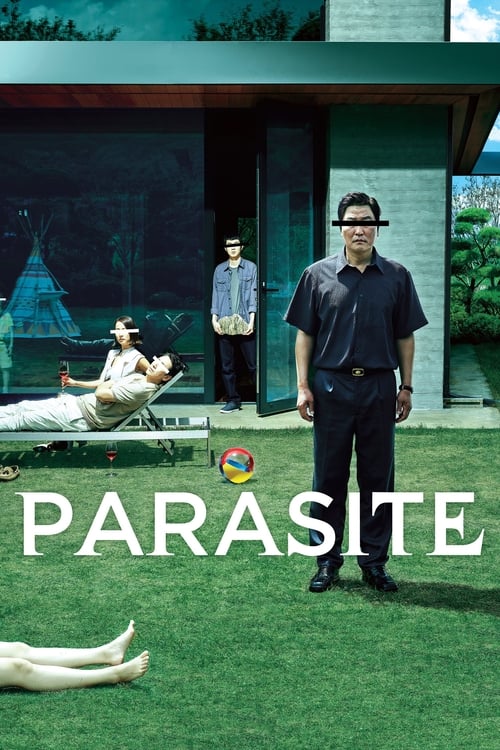
Japanese cinema’s influence appears everywhere in modern filmmaking. The Wachowskis drew heavily from anime aesthetics for The Matrix, while Denis Villeneuve’s contemplative pacing in films like Arrival echoes the meditative rhythm of Japanese masters. Even recent films like Parasite use spatial storytelling techniques that Japanese directors pioneered decades earlier.
The psychological complexity found in Japanese horror influenced modern Western thrillers. Directors creating films like Hereditary and The Witch understand that sustained dread trumps cheap scares, a lesson learned directly from Japanese masters of the genre.
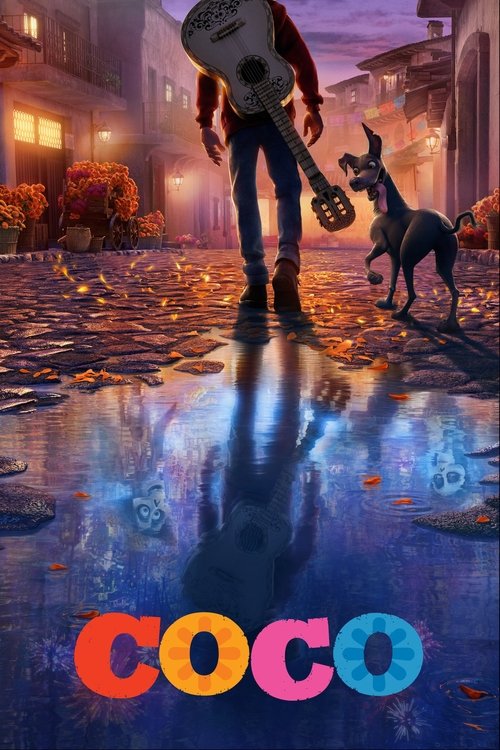
Animation studios worldwide still study Miyazaki’s character development and world-building. The emotional depth in films like Coco and Spider-Man: Into the Spider-Verse reflects animation lessons that Japanese filmmakers taught the world about treating animated characters as complex human beings rather than cartoon figures.
Where to Start Your Journey
If you’re new to Japanese cinema, don’t start with the most challenging films. Spirited Away offers an accessible entry point that showcases the country’s storytelling strengths without requiring cultural context. From there, explore Kurosawa’s more action-oriented films before diving into Ozu’s contemplative family studies.
For modern entries, look for films that have crossed over to international audiences while maintaining their Japanese identity. These bridges between cultures often provide the perfect introduction to different storytelling approaches without overwhelming newcomers.
Consider starting with these essential films:
- Seven Samurai (1954) - Kurosawa’s action masterpiece that influenced every ensemble film since
- Tokyo Story (1953) - Ozu’s family drama that’s consistently voted among the greatest films ever made
- Spirited Away (2001) - Miyazaki’s fantasy that works for all ages
- Ikiru (1952) - Kurosawa’s meditation on life’s meaning
- The Tale of the Princess Kaguya (2013) - Studio Ghibli’s most visually stunning achievement
Essential Viewing for Film Students
Understanding Japanese cinema enhances appreciation for films across all cultures. The patience and visual composition found in these works provides a masterclass in cinematic language that Hollywood blockbusters rarely attempt.
Watch how Lost in Translation uses silence and cultural disconnect in ways that echo Japanese storytelling traditions. Notice how Everything Everywhere All at Once borrows anime-style visual chaos while maintaining emotional grounding that Japanese filmmakers perfected.
Japanese movies offer something most cinema lacks: patience. In a world of two-hour blockbusters that feel like theme park rides, these films remind us that cinema can be contemplative, challenging, and deeply rewarding. They prove that subtitles aren’t barriers but gateways to stories that couldn’t exist anywhere else.
Whether you’re seeking epic adventures, intimate character studies, or visual experiences that redefine what movies can achieve, Japanese cinema offers decades of essential viewing. Start with one film, and you’ll quickly discover why these movies continue to influence filmmakers worldwide while remaining distinctly, powerfully Japanese.
Discover Your Next Favorite Film
Browse our curated collection of movie trailers and find something new to watch tonight.
Browse Trailers