The Most Divisive Movies of All Time: Films That Split Audiences
The Reel Team
11 min read
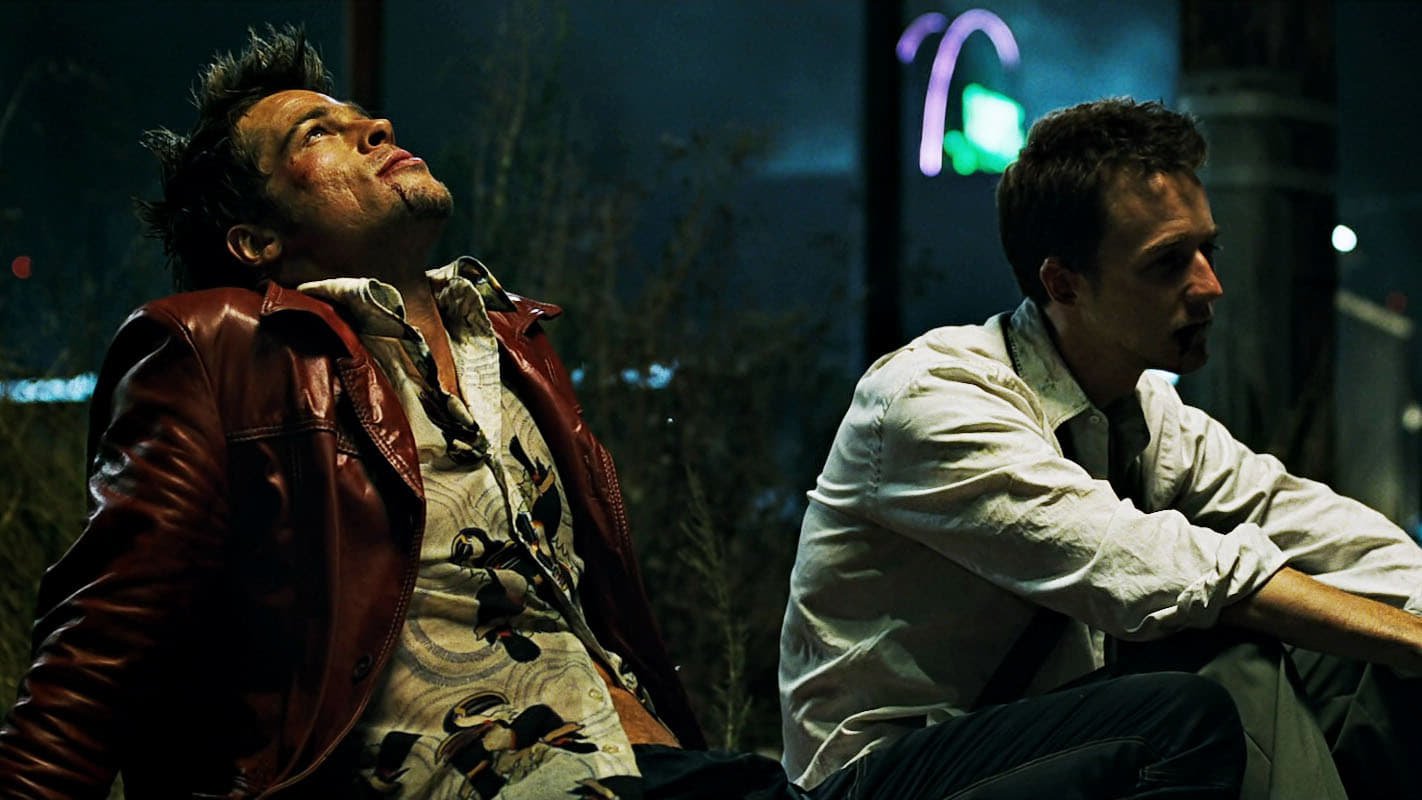
Some films everyone agrees are great. Some everyone agrees are terrible. Then there are these—movies that spark fierce debate, inspire devotion and hatred in equal measure, and refuse easy consensus. Here are the most divisive films ever made.
The Polarizing Blockbusters
The Last Jedi (2017)
The divide: The best Star Wars since Empire or a franchise-destroying disaster?
Rian Johnson’s entry killed beloved characters, subverted expectations, and split the fanbase irrevocably. Defenders praise its thematic depth and willingness to challenge Star Wars orthodoxy. Detractors see character assassination and plot holes.
Where you fall depends on: How sacred you consider Star Wars lore versus how much you wanted something different.
Batman v Superman: Dawn of Justice (2016)
The divide: Ambitious deconstruction of superhero mythology or joyless, incomprehensible mess?
Zack Snyder’s grimdark take on DC’s icons inspired an entire “Snyder Cut” movement. Defenders see operatic grandeur and philosophical depth. Detractors see darkness for its own sake and incoherent plotting.
Where you fall depends on: Whether you think superheroes should inspire hope or reflect modern cynicism.
mother! (2017)
The divide: Darren Aronofsky’s masterpiece or pretentious nonsense?
Jennifer Lawrence watches her home invaded by increasingly disturbing guests in this biblical allegory. Some saw profound environmental messaging; others saw shock value masquerading as depth.
Where you fall depends on: Your tolerance for allegory and your reaction to deliberately upsetting imagery.
The Cult Phenomena
Fight Club (1999)
The divide: Savage satire of masculinity or an instruction manual taken literally by the wrong audience?
Fincher’s adaptation became a cultural touchstone—and that’s the problem. Some viewers miss the irony entirely, adopting Tyler Durden as unironic idol. The film is either too smart or not smart enough.
Where you fall depends on: Whether you see the critique or the cool.
A Clockwork Orange (1971)
The divide: Kubrick’s meditation on free will or exploitation disguised as philosophy?
The “ultra-violence” disturbed audiences on release and continues to provoke. Is it saying something about humanity, or is it just showing horrible things beautifully?
Where you fall depends on: Whether the film’s aesthetic distance creates meaning or permits cruelty.
Borat (2006)
The divide: Brilliant satire exposing American prejudice or cruel mockery of ordinary people?
Sacha Baron Cohen’s mockumentary caught real people saying terrible things. But were they entrapped? The unsuspecting subjects didn’t consent to becoming punchlines.
Where you fall depends on: Whether exposing prejudice justifies the method.
The Auteur Controversies
The Tree of Life (2011)
The divide: Transcendent spiritual cinema or Malick’s self-indulgence reaching terminal velocity?
Fifteen minutes of cosmic imagery interrupt a 1950s family drama. Some found profound meaning; others walked out during the dinosaur sequence.
Where you fall depends on: Your patience for poetry over plot.
Only God Forgives (2013)
The divide: Neon-soaked art film or empty style?
Nicolas Winding Refn’s follow-up to Drive baffled audiences expecting similar thrills. Glacial pacing, minimal dialogue, extreme violence—genius or garbage?
Where you fall depends on: Whether visual atmosphere alone can carry a film.
Under the Skin (2013)
The divide: Haunting meditation on humanity or tedious art-house exercise?
Scarlett Johansson plays an alien predator in Scotland. The pace is deliberate; explanations are absent. Either hypnotically beautiful or unbearably slow.
Where you fall depends on: How much ambiguity you can tolerate—and enjoy.
The Ending Debates
The Killing of a Sacred Deer (2017)
The divide: Greek tragedy updated brilliantly or absurdist button-pushing?
Yorgos Lanthimos’s deadpan horror features deliberately artificial performances and an impossible premise. The divisive ending either achieves tragic grandeur or seems like a cruel joke.
Hereditary (2018)
The divide: Until the ending, most agree it’s terrifying. But does the finale elevate or undermine everything before?
The final twenty minutes either provide satisfying mythology or deflate psychological horror into genre convention. The debate rages.
No Country for Old Men (2007)
The divide: The abrupt “non-ending” either completes the theme (evil can’t be defeated, only survived) or feels like the Coens lost interest. Defenders and detractors both have strong cases.
The Remakes and Reboots
Ghostbusters (2016)
The divide: Fun update or failed attempt at franchise revival?
Before it released, the all-female reboot sparked culture war. Afterward, the film itself got lost in the noise. Some found it enjoyable; others found it forgettable. The discourse was neither.
The Lion King (2019)
The divide: Technological achievement or soulless cash grab?
Photorealistic animals can’t emote the way animated ones can. The film made billions while critics and animation fans mourned what was lost.
The Horror Extremes
Midsommar (2019)
The divide: Is Dani’s ending liberation or tragedy?
Ari Aster’s daylight horror ends with a cult initiation that some read as empowerment and others as manipulation. The film itself refuses to clarify, which is either brilliant or cowardly.
The House That Jack Built (2018)
The divide: Lars von Trier’s meditation on art and evil or torture porn with intellectual pretensions?
Walkouts at Cannes suggest the divide is genuine. Von Trier is either confronting difficult truths or hiding cruelty behind aesthetics.
Why Divisive Films Matter
Consensus is comfortable. Divisive films force conversation, reveal assumptions, expose what we actually value in art.
Consider:
- No one’s wrong: Both readings of a divisive film can be valid
- Your reaction reveals you: What you love or hate says something
- Debate is healthy: Films that inspire argument keep culture vital
- Time settles some debates: Fight Club’s reputation shifted as its irony became clearer; others remain contested
The Most Divisive Is…
It depends who you ask. That’s kind of the point.
The films on this list share one quality: they provoke strong reactions. Love them, hate them, but you’ll have an opinion. In a world of forgettable content, that’s worth something.
Watch one you’ve been avoiding. Form your own take. Join the argument. That’s what divisive cinema is for.
Discover Your Next Favorite Film
Browse our curated collection of movie trailers and find something new to watch tonight.
Browse Trailers