Movies That Are Better Than the Books
Adaptations that improved on the source material
The Reel
10 min read
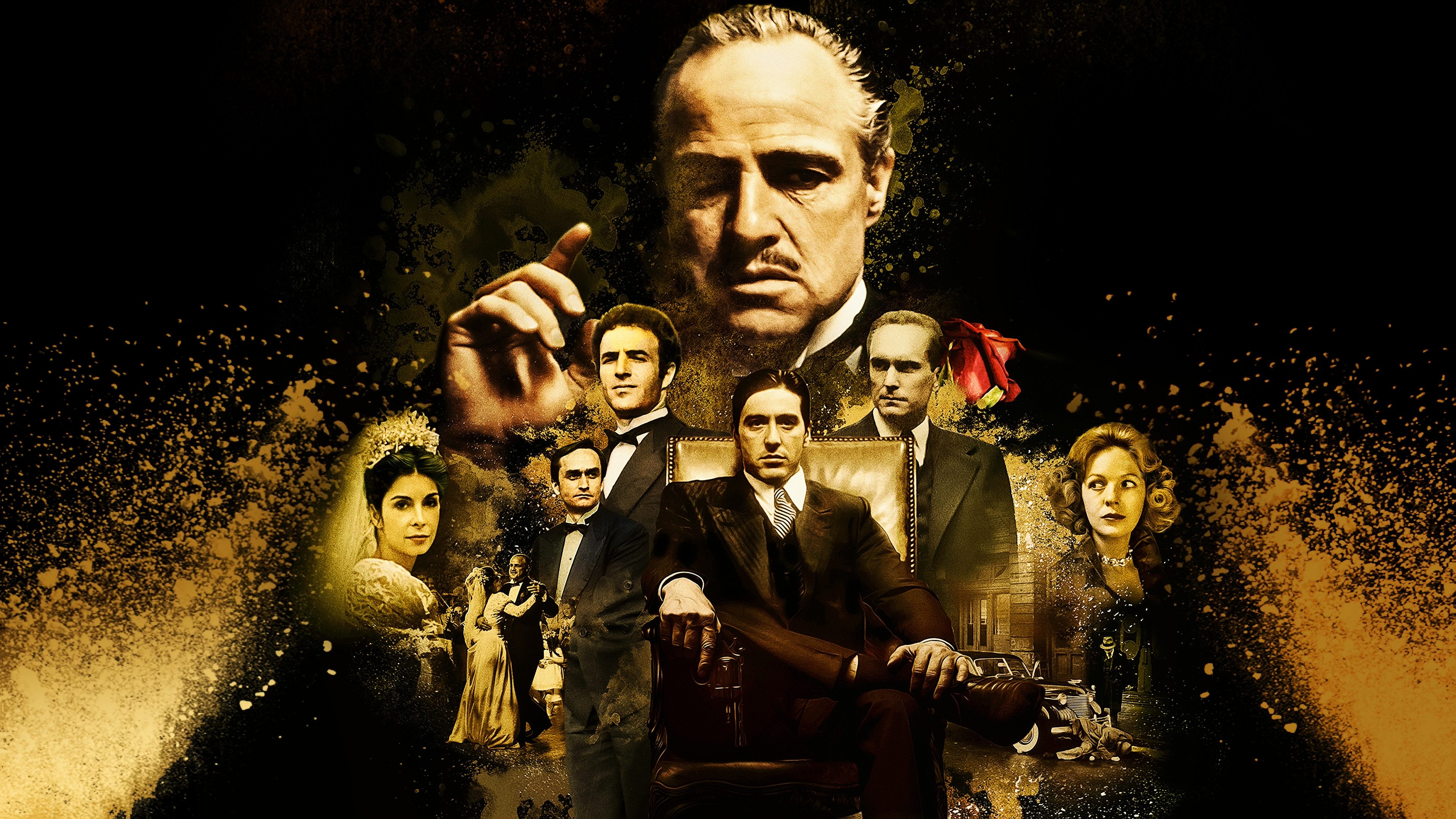
“The book is always better” is received wisdom that’s frequently wrong. These films took source material and elevated it through cinematic craft, casting, or fundamental reimagining.
The Godfather (1972)
The book: Mario Puzo’s novel is pulpy entertainment with excessive subplots including an infamous tangent about Sonny’s girlfriend’s anatomy.
The film: Francis Ford Coppola and Puzo trimmed the fat, Gordon Willis’s cinematography added operatic grandeur, and the cast transformed genre fiction into American mythology. The film improves nearly every element.
Jaws (1975)
The book: Peter Benchley’s novel includes an affair subplot between Hooper and Brody’s wife, making the characters less sympathetic.
The film: Spielberg cut the soap opera, focused on the shark, and accidentally invented the summer blockbuster. The mechanical shark’s malfunctions forced restraint that created more tension.
The Shining (1980)
The book: Stephen King’s novel is about alcoholism and redemption. Jack Torrance fights possession and dies heroically.
The film: Kubrick made Jack already damaged, removed the redemption, and created something King hated but critics consider a masterpiece. The author’s complaints only underscore how much Kubrick changed.
Fight Club (1999)
The book: Chuck Palahniuk’s novel is lean and mean but lacks the visual imagination of Fincher’s adaptation.
The film: The unreliable narrator translates brilliantly to cinema. The Pixies ending. Brad Pitt’s Tyler Durden. The movie became a cultural phenomenon the book never was.
The Shawshank Redemption (1994)
The book: Stephen King’s novella is strong but relatively simple.
The film: Frank Darabont added depth to secondary characters, expanded the emotional arc, and created Freeman’s Morgan narration that defines the film. The ending lands harder in visual medium.
Blade Runner (1982)
The book: Philip K. Dick’s “Do Androids Dream of Electric Sheep?” is intellectually interesting but stylistically modest.
The film: Ridley Scott created an entire visual language for sci-fi noir. The questions about humanity remain, wrapped in images that defined a genre.
No Country for Old Men (2007)
The book: Cormac McCarthy’s novel is excellent but relies heavily on Sheriff Bell’s internal monologue.
The film: The Coens visualized McCarthy’s prose style, finding cinematic equivalents for his sentences. Javier Bardem’s Anton Chigurh became instantly iconic.
The Princess Bride (1987)
The book: William Goldman’s novel is charming but the meta-fictional frame about an abridgement can be confusing.
The film: Rob Reiner simplified the structure, cast perfectly, and created a quotable classic. Goldman adapted his own work and improved it.
Goodfellas (1990)
The book: Nicholas Pileggi’s “Wiseguy” is solid journalism but relatively dry.
The film: Scorsese’s kineticism, Liotta’s narration, the “how am I funny?” scene, the Copacabana tracking shot. The movie is pure cinema in ways nonfiction can’t be.
One Flew Over the Cuckoo’s Nest (1975)
The book: Ken Kesey’s novel is told from Chief Bromden’s perspective, which works literarily but limits the narrative.
The film: Miloš Forman centered McMurphy, cast Jack Nicholson, and created a more accessible drama. Kesey disowned the adaptation; audiences disagreed.
Jurassic Park (1993)
The book: Michael Crichton’s novel is more violent and cynical, with less likeable characters.
The film: Spielberg softened edges, created wonder alongside terror, and the visual effects changed cinema. The sense of awe is uniquely cinematic.
The Silence of the Lambs (1991)
The book: Thomas Harris’s novel is excellent but can’t capture what Jodie Foster and Anthony Hopkins do with their eyes.
The film: Jonathan Demme’s close-ups create intimacy that prose can only describe. Hopkins’ economical performance is more effective than the book’s interior access to Lecter.
Arrival (2016)
The book: Ted Chiang’s “Story of Your Life” is a brilliant short story that’s somewhat cerebral.
The film: Denis Villeneuve added visual poetry and emotional weight. Amy Adams grounds the linguistics in human grief. The twist lands harder when you see Louise’s face.
Why Films Can Improve
Some stories work better in visual medium. Action, spectacle, and performance are film’s domain. Great casting transforms characters in ways prose can’t match.
Filmmakers also edit. Novels can include everything; films must choose. Sometimes the choosing improves the story.
And cinema is collaborative. One author’s vision gets filtered through directors, actors, cinematographers, and editors. Sometimes all those collaborators improve the original idea.
The Other Side
Many adaptations fail. Dune languished for decades before Denis Villeneuve cracked it. Some books are unfilmable. But these examples prove that adaptation isn’t always loss.
For more on adaptations, browse our collection and explore how filmmakers transform source material.
Discover Your Next Favorite Film
Browse our curated collection of movie trailers and find something new to watch tonight.
Browse Trailers