Parasite vs Snowpiercer: Bong Joon-ho's Class Warfare
Films.io Editorial
5 min read
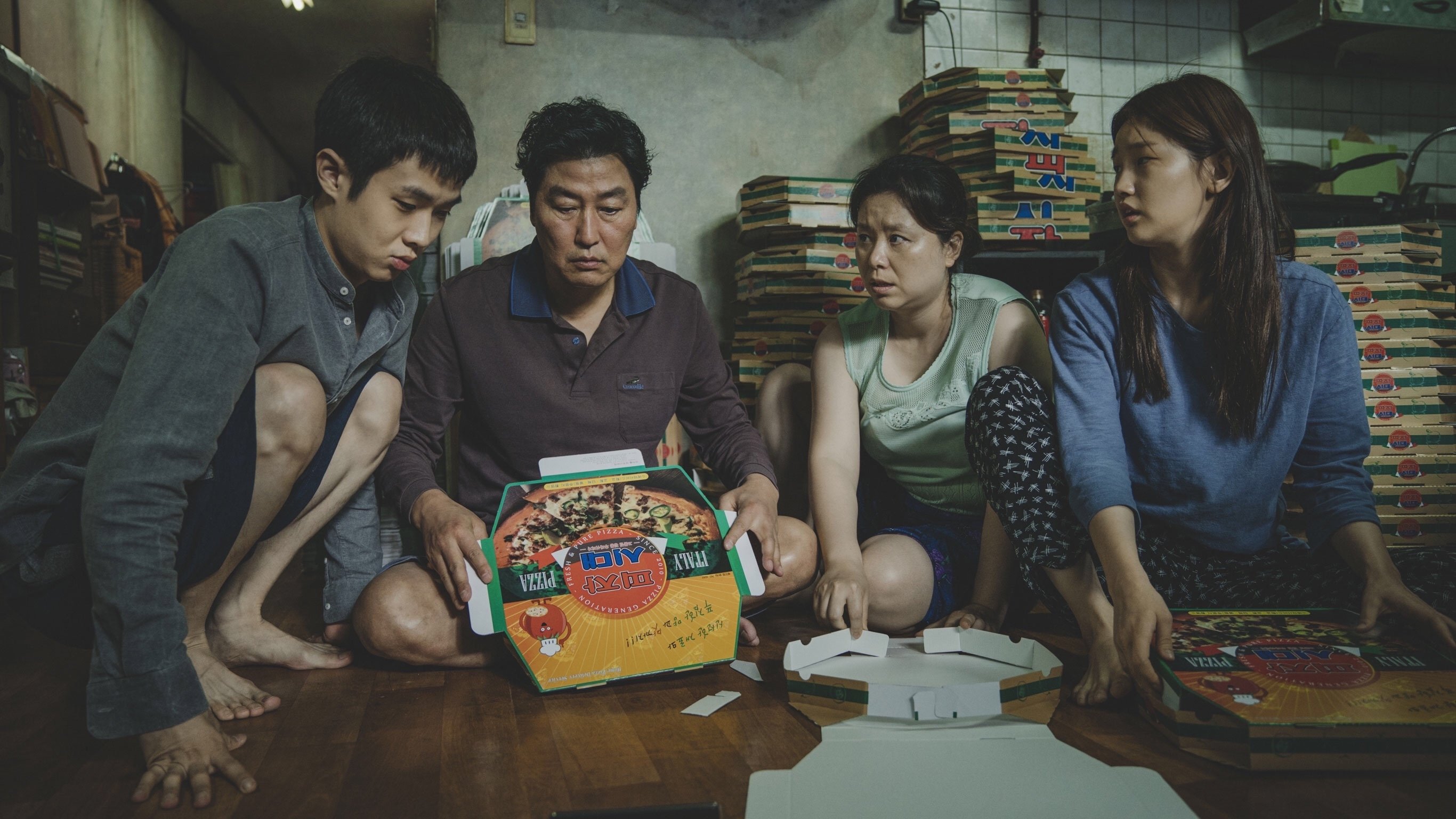
Both films arrive with snowflakes and sewage, with vertical movements that define everything. One climbs up through society’s layers, the other crashes down through a train’s cars. Bong Joon-ho’s twin masterpieces of class warfare couldn’t look more different on the surface, but they’re cut from the same angry cloth.
Parasite burrows into a basement. Snowpiercer speeds through a frozen wasteland. Yet both films obsess over the same question: what happens when the have-nots finally see how the other half lives?
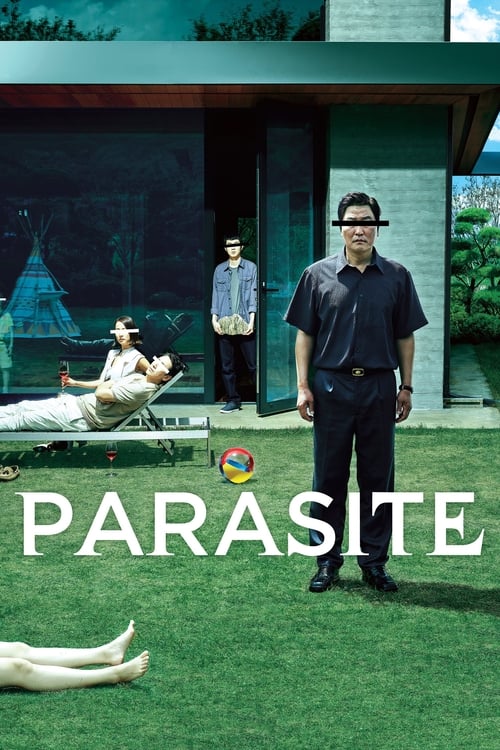
The Architecture of Inequality
Bong builds his worlds like architectural blueprints. The Parks live above ground in their pristine glass house. The Kims live below street level, watching drunk men piss outside their window. In Snowpiercer, the sacred engine sits at the front while the tail section wallows in darkness and squalor.
These aren’t subtle metaphors. They’re sledgehammers wrapped in elegant filmmaking. The vertical movement in both films tells you everything about power dynamics before a single word of dialogue lands. When Ki-taek finally explodes at the Parks’ garden party, he’s literally climbing up from underground. When Curtis fights his way toward the engine, every car forward represents another rung up the social ladder.
The difference? Parasite makes this feel intimate and personal. You smell the Parks’ house, feel the texture of their couch, taste their expensive food. Snowpiercer keeps it operatic and mythic. The train becomes this biblical ark carrying the remnants of civilization, but the class divisions feel just as real.
Smell and Survival
Both films understand that class isn’t just about money. It’s about invisible barriers that separate people so completely they might as well be different species.
In Parasite, Ki-taek’s smell gives him away. No amount of scheming can wash off the scent of poverty. The Parks wrinkle their noses without even realizing they’re doing it. It’s unconscious disgust, which makes it so much more devastating than outright cruelty.
Snowpiercer takes this further. The tail section passengers literally eat protein blocks made from insects while the front cars dine on sushi. The have-nots aren’t just poor - they’re being fed garbage and told to be grateful for it. When Curtis discovers what the protein blocks really are, it’s Bong’s most direct statement about how the powerful view the powerless: as something less than human.
The Violence Underneath
Here’s where the films split paths. Parasite builds to an explosion of violence that feels shocking because it emerges from such mundane circumstances. Ki-taek snaps at a children’s birthday party, not during some grand revolution. The violence feels personal, almost accidental.
Snowpiercer embraces revolutionary violence from the start. Curtis leads an army through train cars, chopping through security forces with axes and hammers. The violence is choreographed, purposeful, mythic. This is class warfare as literal war.
Both approaches work because they serve different stories. Parasite shows how inequality poisons relationships between individuals. The Parks aren’t evil villains - they’re just completely insulated from consequences. Snowpiercer shows how systems of oppression require violence to maintain themselves, and therefore can only be broken through violence.
The Impossible Escape
Neither film offers easy answers about escaping class boundaries. Parasite ends with Ki-woo dreaming of buying the Parks’ house to free his father from the basement bunker. It’s a beautiful, impossible fantasy. The math doesn’t work. He’ll never earn enough money. His father will die down there.
Snowpiercer literally derails the entire system. The train crashes, the survivors step into a frozen world that might kill them, but at least they’re free to try. It’s the more hopeful ending, but also the more destructive one.
Both endings feel true to their worlds. Parasite traps its characters in cycles they can’t break. Snowpiercer destroys the cycle entirely, even if the cost is civilization itself. Bong doesn’t judge either approach. He just shows you the math of inequality and lets you draw your own conclusions.
The Children’s Burden
Both films examine how class warfare destroys the next generation. In Parasite, the Parks’ young son Da-song is traumatized by seeing “the ghost” - really Ki-taek emerging from the bunker. The children become collateral damage in their parents’ class conflicts.
Snowpiercer makes this even more explicit. The tail section children are literally kidnapped and forced to maintain the engine - their childhood sacrificed to keep the machine of inequality running. When Curtis learns this truth, it breaks something fundamental in him. The system doesn’t just exploit the poor; it devours their children to perpetuate itself.
This shared focus on children reveals Bong’s deeper concern: how class systems reproduce themselves across generations. The Parks’ son will grow up entitled and oblivious. The tail section children will be broken to serve power. Only revolution - violent or otherwise - can break these cycles.
Two Sides of the Same Coin
Watch these films back-to-back and you’ll see Bong working through the same ideas from different angles. Parasite asks: what if the poor could infiltrate the lives of the rich? Snowpiercer asks: what if they couldn’t hide anymore?
Both films understand that inequality isn’t a bug in the system - it’s a feature. The Parks need the Kims to do their dirty work, just like the front cars need the tail section to maintain their luxury. The powerful don’t stay powerful by accident. They design systems that keep everyone else in their place.
The genius of both films is how they make this feel inevitable and outrageous at the same time. You understand exactly why things work this way, and you’re furious about it. That’s the hallmark of great social commentary - it educates and enrages in equal measure.
Parasite won the Oscar. Snowpiercer launched a TV series. But both films work best as a double feature, showing two different ways to examine the same poisonous truth about how society organizes itself. Bong Joon-ho doesn’t offer solutions - he just holds up the mirror and makes sure you can’t look away.
Discover Your Next Favorite Film
Browse our curated collection of movie trailers and find something new to watch tonight.
Browse Trailers