Mulholland Drive Explained: Decoding Lynch
Films.io Editorial
5 min read
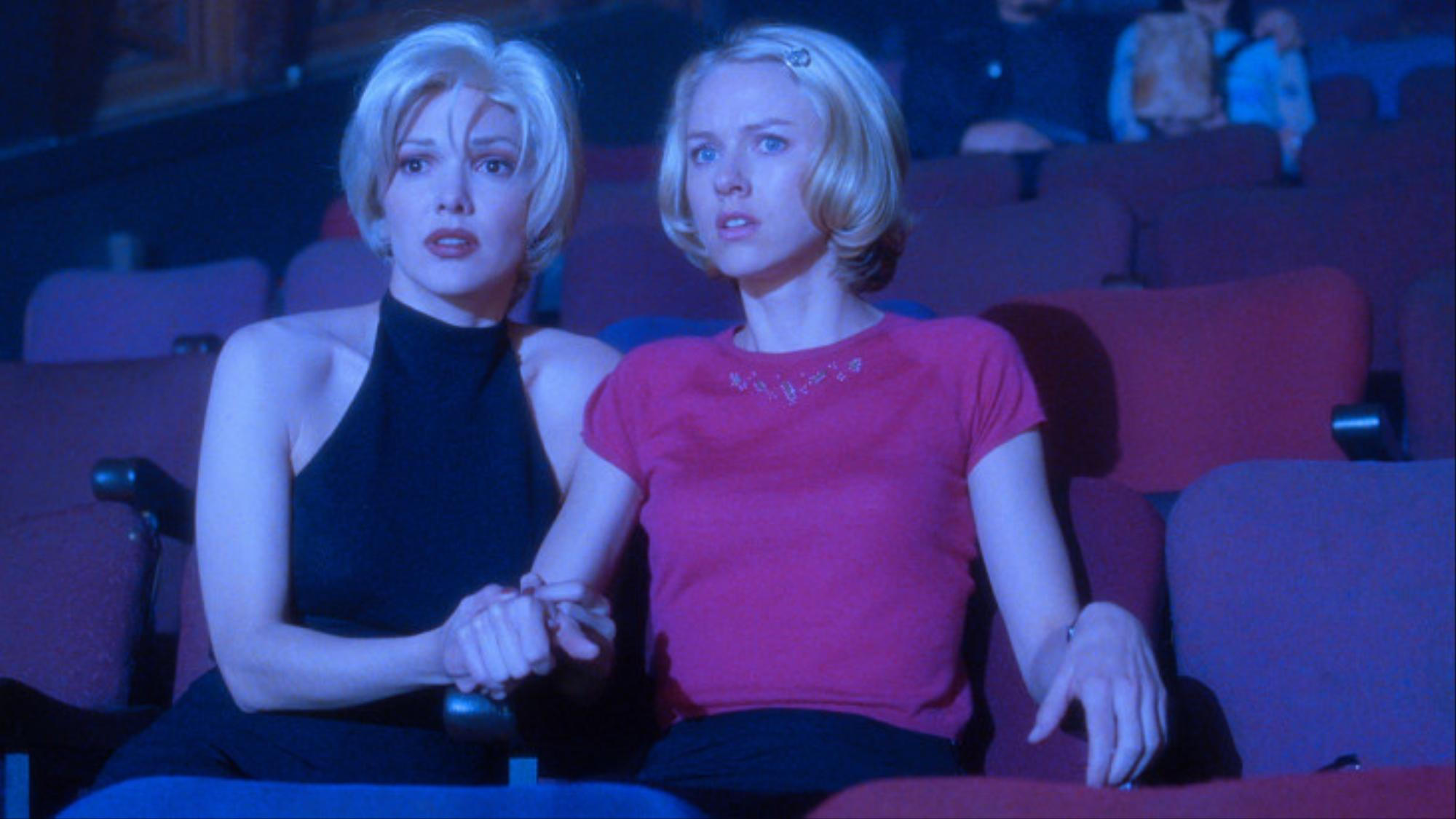
David Lynch’s Mulholland Drive isn’t just a movie you watch, it’s a puzzle you live inside. For over two decades, audiences have emerged from theaters feeling like they’ve been hit by a freight train of surreal imagery, fractured narratives, and haunting performances. But here’s the thing: the confusion is the point. Lynch created a labyrinth where getting lost is half the experience.
The film operates on dream logic, where cause and effect bend like light through water. What looks like a straightforward mystery about an aspiring actress named Betty (Naomi Watts) helping an amnesiac woman (Laura Harring) becomes something far more complex. The first two-thirds feel almost conventional, a neo-noir with lesbian undertones set against Hollywood’s glittering facade. Then Lynch pulls the rug out from under everything you thought you understood.
The Dream Within the Dream
The key to understanding Mulholland Drive lies in recognizing when reality shifts. That pivotal moment comes when Betty and Rita visit Club Silencio, where they witness a performance that reveals everything as illusion. “No hay banda,” the announcer declares, there is no band. The music continues even when the singer collapses, exposing the artifice beneath the performance.
This scene marks the transition from dream to harsh reality. The Betty we’ve been following, optimistic, bright-eyed, successful, never existed. She’s the fantasy of Diane Selwyn, a failed actress whose unrequited love for Camilla (Rita’s real identity) has driven her to madness and murder. The first portion of the film represents Diane’s guilt-ridden dream state, where she reimagines herself as the successful ingénue and Camilla as the grateful woman she saves.
The circular structure mirrors Lynch’s obsession with duality, much like his earlier work Twin Peaks explored the darkness beneath small-town America. Here, he dissects Hollywood’s dream factory, revealing the nightmares lurking behind the glamour.
Hollywood’s Broken Dreams
Lynch doesn’t just use Hollywood as a backdrop, he makes it a character. The film industry becomes a metaphor for the American Dream’s dark side, where success depends on mysterious forces beyond anyone’s control. The bizarre subplot involving director Adam Kesher (Justin Theroux) and his forced casting of Camilla illustrates how power operates in invisible ways.
The Cowboy, one of Lynch’s most unsettling creations, embodies this hidden machinery. His folksy demeanor barely conceals something sinister, representing the old boys’ network that controls who rises and who falls. When he tells Adam, “You’ll see me one more time if you do good. You’ll see me two more times if you do bad,” he’s outlining the rules of a rigged game.
This connects to Lynch’s broader critique of American capitalism, similar to how There Will Be Blood exposes the violence underlying wealth accumulation. Both films show how dreams become nightmares when filtered through systems designed to exploit human ambition.
The Performance That Changes Everything
Naomi Watts delivers one of cinema’s greatest dual performances, playing both the confident Betty and the desperate Diane with equal conviction. Watch her transformation during the audition scene, she shifts from nervous amateur to seasoned professional in seconds, then back again. This isn’t just good acting; it’s Lynch showing us how identity can be fluid, constructed, and ultimately tragic.
Laura Harring matches Watts’s complexity, moving from mysterious victim to cruel temptress as the film reveals Rita’s true nature as Camilla. The relationship between these characters drives the emotional core of the film, even as Lynch buries it beneath layers of surreal imagery and fractured chronology.
Like The Matrix, Mulholland Drive questions the nature of reality itself. But where The Matrix provides clear rules and explanations, Lynch leaves us floating in ambiguity. The blue box and key that seem so important in Betty’s dream world lose their significance once we understand they’re symbols of Diane’s guilt and desperation.
Lynch’s Cinematic Language
Lynch constructs Mulholland Drive like a fever dream, using sound design and cinematography to create unease. Angelo Badalamenti’s haunting score shifts between romantic and threatening, often within the same scene. The famous diner sequence with the man describing his nightmare demonstrates Lynch’s mastery of building tension through atmosphere rather than action.
The film’s visual language speaks in symbols and associations. The red lampshade in multiple scenes, the recurring appearance of blue, the significance of names and locations, everything connects to everything else in ways that feel meaningful even when they resist logical explanation. This approach influenced a generation of filmmakers, from Eternal Sunshine of the Spotless Mind to Inception, both of which play with similar themes of memory, identity, and constructed reality.
The Price of Dreams
Mulholland Drive ultimately argues that Hollywood doesn’t just break dreams, it corrupts them. Diane’s fantasy life as Betty isn’t just wish fulfillment; it’s a desperate attempt to rewrite a story that ended in betrayal and violence. The film suggests that the entertainment industry’s promise of transformation is itself a kind of murder, killing authentic selves to create marketable personas.
This reading makes the film’s violence more than shock value. When Diane imagines hiring a hitman to kill Camilla, and later when we see the consequences of her actions, Lynch is showing us how creative dreams can turn destructive when filtered through systems that commodify human emotion.
The film works because it doesn’t provide easy answers. Lynch trusts audiences to sit with confusion, to let the experience wash over them without demanding immediate comprehension. In our age of explained-to-death content, Mulholland Drive remains refreshingly, frustratingly enigmatic.
Mulholland Drive doesn’t just decode Lynch’s puzzle, it becomes one itself. Every viewing reveals new connections and contradictions, new ways to understand Diane’s fractured psyche and Hollywood’s broken promises. It’s a film that lives in the space between dreams and nightmares, where nothing is certain except the power of cinema to transform reality into something both beautiful and terrifying. For more mind-bending cinema that challenges perception and reality, explore films like Memento and The Prestige.
Discover Your Next Favorite Film
Browse our curated collection of movie trailers and find something new to watch tonight.
Browse Trailers