There Will Be Blood Analysis: The Price of Ambition
Exploring Paul Thomas Anderson's American epic
The Reel
10 min read
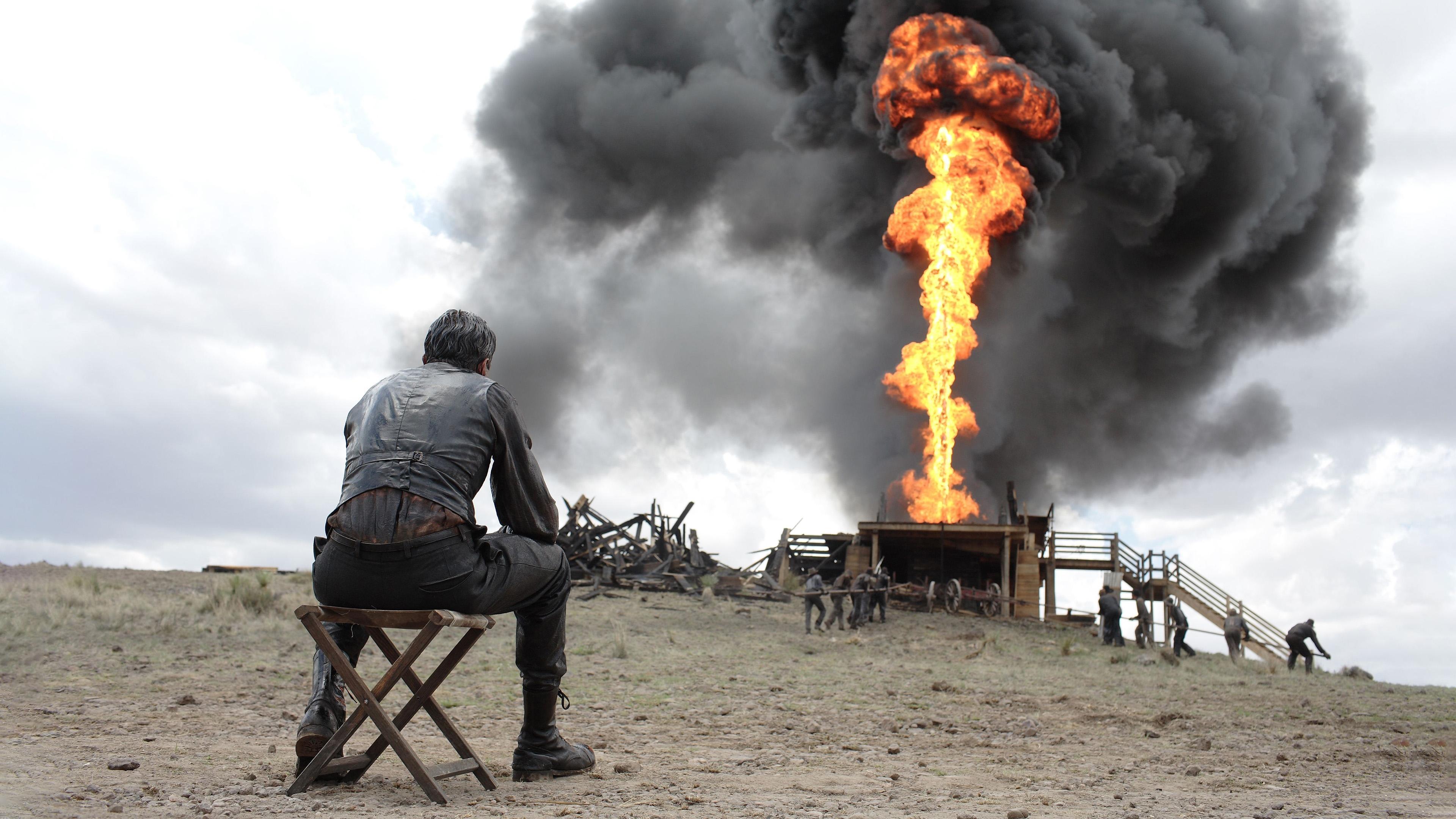
Paul Thomas Anderson’s There Will Be Blood opens with nearly fifteen minutes of dialogue-free filmmaking: a man alone in a hole, chipping at rock. By the time Daniel Plainview speaks, we already understand him. He’s a man who will dig until he finds what he’s looking for or dies trying.
Daniel Day-Lewis won his second Oscar for this performance, and the film stands as one of the 21st century’s greatest achievements. Let’s examine what makes it work.
Daniel Plainview: A Character Study
Plainview isn’t a villain in the conventional sense. He’s a capitalist, which in Anderson’s telling means he’s a force of nature that consumes everything in its path.
His opening monologue to potential investors reveals his method: “I have a competition in me. I want no one else to succeed.” This isn’t a flaw he’s hiding. It’s his philosophy stated plainly.
The genius of Day-Lewis’s performance is making this monster comprehensible. Plainview works harder than anyone. He keeps his promises about the pipeline, the road, the school. He provides for the communities he exploits. His evil operates within systems designed to reward exactly his kind of ruthlessness.
Eli Sunday: The Mirror
Paul Dano’s preacher Eli Sunday functions as Plainview’s spiritual counterpart. Where Plainview extracts oil, Eli extracts faith. Both are performative. Both manipulate communities. Both want power and recognition.
Their rivalry structures the film. Plainview humiliates Eli publicly. Eli forces Plainview to submit to religious theater. Each degradation of the other reveals the degraded party’s true nature.
The finale makes their symmetry explicit. Two men in a bowling alley, one destroying the other, both revealed as hollow. Eli’s faith was always performance. Plainview’s family was always transaction.
H.W. and False Family
Plainview adopts H.W. after the boy’s father dies in Plainview’s oil rig. The child becomes a prop, humanizing Plainview for business negotiations. “It helps having a sweet face to look at,” he admits.
When H.W. loses his hearing in an accident, Plainview’s response reveals everything. He sends the boy away. A damaged prop has no value. Love would mean accepting imperfection, and Plainview competes with everyone, including his son.
H.W.’s eventual departure, starting his own business, competing with his father, is both triumph and tragedy. He’s escaped, but he’s also become what Plainview made him.
The Land and What Lies Beneath
Anderson shoots the California landscape as both beautiful and cursed. The oil derricks pierce the earth like wounds. The gushers that bring wealth also bring fire and death.
Oil becomes blood. The title works literally, as people die in oil extraction, and metaphorically, as violence underlies American prosperity. Plainview drinks from his land and drinks it dry.
Capitalism as Religion
The film’s most subversive element is suggesting that capitalism and religion serve identical functions. Both promise transformation. Both demand submission. Both enrich their practitioners at others’ expense.
Plainview and Eli aren’t opposites but competitors in the same business: convincing people to surrender resources for intangible promises. Oil money and heavenly reward are both deferred gratifications requiring faith.
The Milkshake Speech
The film’s most quoted moment comes in the finale. Plainview explains how he drained Eli’s family oil through slant drilling: “I drink your milkshake! I drink it up!”
The childish metaphor is deliberate. Plainview has regressed. Alone in his mansion, drunk, surrounded by wealth he can’t enjoy, he’s become a tantrum incarnate. Winning required destroying everything, including himself.
The Score
Jonny Greenwood’s score creates constant unease. Strings saw against each other. Percussion pounds irregularly. The music suggests machinery, hearts, drilling, violence.
The silence matters too. Anderson holds shots without music, forcing viewers into Plainview’s isolation. The quiet sections make the orchestral eruptions more devastating.
Anderson’s America
There Will Be Blood is Anderson’s most American film. It examines how the country was built: extraction, exploitation, religious manipulation, family destruction, all justified by success.
Plainview wins. He destroys his rival, keeps his fortune, outlives his usefulness to anyone. Victory looks like a drunk old man screaming in an empty mansion. The American Dream achieved.
Historical Context
The film adapts Upton Sinclair’s novel “Oil!” loosely, focusing on character over politics. But the politics remain.
Early 20th-century oil extraction created the modern world’s power structures. The men who drilled those wells became dynasties. Their wealth shapes politics today. Plainview is father to an entire class.
Legacy
There Will Be Blood influenced a decade of prestige filmmaking. Its patience, its uncompromising protagonist, its period authenticity all became templates.
But few films match its intensity. Day-Lewis committed so fully that he reportedly couldn’t shake Plainview for months after filming. The performance transcends acting into something more unsettling.
For more character studies of American ambition gone wrong, see our collection of drama films and our analysis of The Social Network’s similar examination of success’s costs.
Discover Your Next Favorite Film
Browse our curated collection of movie trailers and find something new to watch tonight.
Browse Trailers