Midsommar Ending Explained: The Horror of Healing
Ari Aster's daylight nightmare decoded
The Reel
9 min read
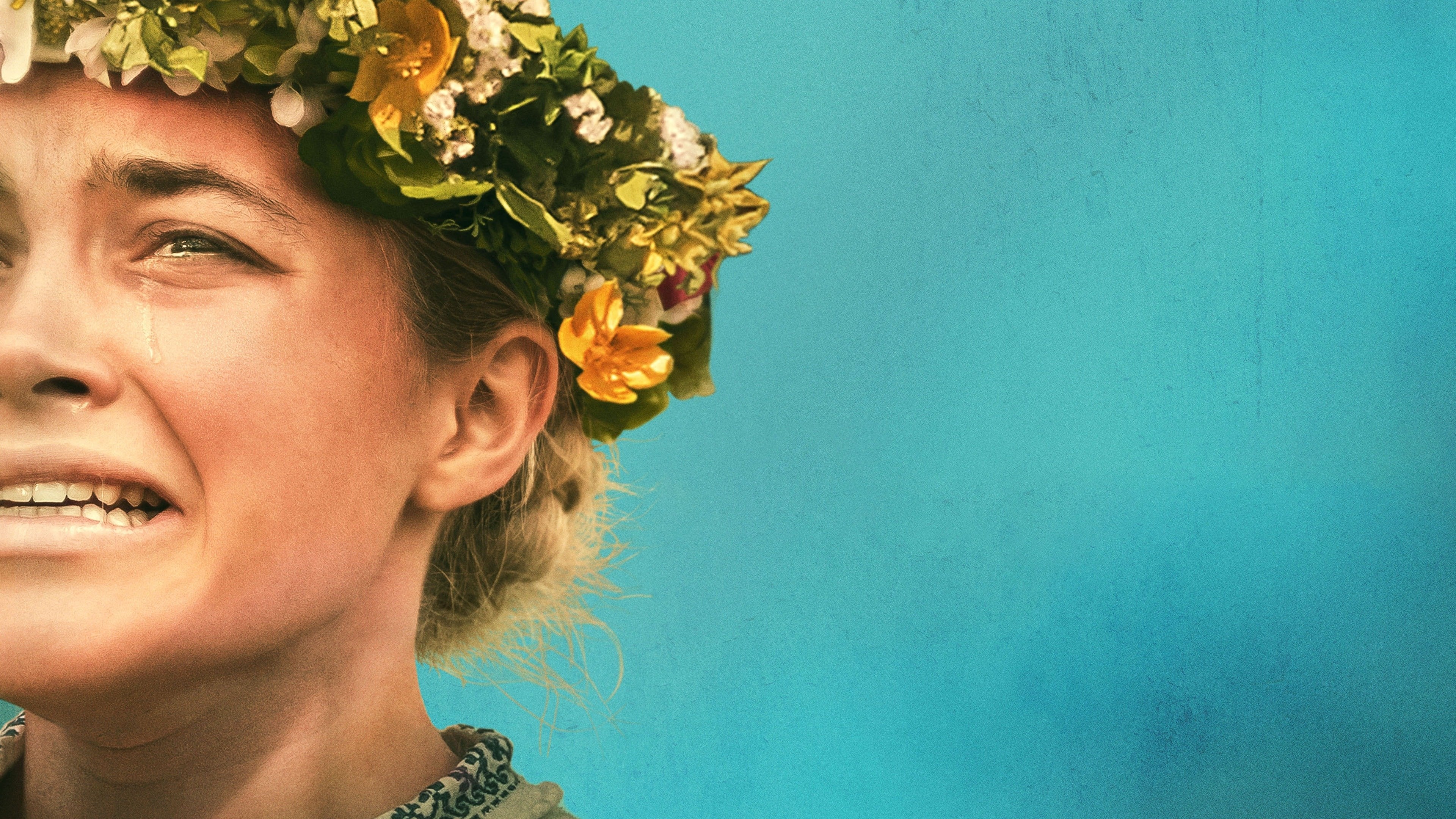
Ari Aster’s Midsommar is a horror film where the most disturbing image is a smile. The ending, with Dani grinning as her boyfriend burns alive, confuses and disturbs viewers. Is it a happy ending? A tragedy? Something else entirely?
Let’s unpack the film’s unsettling conclusion.
The Setup: Dani’s Trauma
Dani experiences unimaginable loss when her sister kills their parents and herself. Her boyfriend Christian offers weak support, too emotionally distant to help, too passive to leave.
Their relationship was already dying. Christian’s friends openly discuss how he should break up with her. He invited her to Sweden only because he felt guilty, not because he wanted her there.
Dani enters the Harga commune already grieving, already isolated, already desperate for connection. She’s the perfect target.
The Harga’s Philosophy
The Swedish commune practices an ancient tradition that values collective experience over individual identity. They share emotions: when one person cries, everyone cries. They share bodies: communal sex is ritual. They share death: elders sacrifice themselves at 72.
This might seem horrifying from outside. From Dani’s perspective, after a lifetime of suppressing her needs and a relationship where she’s emotionally abandoned, the idea of people who actually feel with her is intoxicating.
What Happens to Christian
Christian commits multiple betrayals. He steals his friend’s thesis topic. He’s drugged and manipulated into ritual sex with a commune member while Dani watches. He shows no real concern for the disappearing friends.
But here’s the key: Christian was always like this. The drugs and manipulation just revealed what was already there. He was never going to support Dani. He was never going to choose her.
The Harga recognize this. They offer Dani a choice: sacrifice a random commune member or Christian. It’s not really a choice. She picks Christian.
The Burning and the Smile
Christian is paralyzed, sewn into a bear carcass, and placed in a temple with eight other sacrifices. The temple burns. As it does, Dani screams, cries, then slowly begins to smile.
That smile is the film’s most analyzed image. What does it mean?
On one level, it’s catharsis. Dani has been suppressing rage and grief for the entire film, for her entire relationship. Watching Christian burn releases something.
On another level, it’s acceptance. The Harga surround her, mirroring her emotions, crying and screaming with her. For the first time, she’s not alone in her pain.
On another level, it’s horror. Dani has just sentenced a man to death. She’s been inducted into a death cult. Her smile might be the moment she breaks completely.
Is It a Happy Ending?
Aster has called it a “perverse wish fulfillment.” Dani gets what she wanted: a family, belonging, people who validate her feelings. The cost is her humanity and moral compass.
The film doesn’t judge her choice. It presents it as understandable given everything she’s experienced. Christian was terrible. The Harga offered what he couldn’t. That the offer came wrapped in ritual murder doesn’t make Dani’s longing less real.
But it’s clearly not healthy. The Harga are killers. Their “family” requires human sacrifice. Dani’s smile isn’t peace; it’s surrender to something that will consume her.
The Horror of Community
Midsommar subverts typical cult movie structures. Usually, cults are dark, secretive, obviously sinister. The Harga operate in perpetual daylight. They explain their rituals. They seem genuinely caring.
The horror isn’t that they hide their nature. It’s that their nature is visible and still seductive. Dani sees the elder suicide. She sees the drugging. She sees the bodies. And she still chooses to stay, because the alternative, returning to isolation and Christian, is worse.
This is how people actually join cults. Not through deception but through offering something genuine that the outside world fails to provide.
Dani and Christian as Mirror
The film parallels two arcs. Christian is stripped of agency and autonomy, drugged, manipulated, finally paralyzed and killed. Dani gains agency and status, becoming May Queen, choosing the sacrifice, finding her place.
Their fates reflect how they treated each other. Christian’s passivity becomes literal. Dani’s suppressed needs become action. The commune amplifies who they already were.
Visual Language
Aster fills the film with foreshadowing. Tapestries show the entire plot. Paintings depict the rituals. A mural in Dani’s apartment shows a girl wearing a crown surrounded by fire.
The perpetual daylight removes shadow, the traditional horror device. Everything is visible, but that visibility doesn’t create safety. You can see exactly what’s coming and still be unable to stop it.
Connection to Hereditary
Aster’s previous film Hereditary also follows grief and family destruction, ending with a character inducted into a cult against their understanding. Both films explore how trauma makes people vulnerable to manipulation.
Where Hereditary is aggressive in its horror, Midsommar is seductive. The horror creeps rather than attacks. The monster offers flowers.
The Final Image
The film ends on Dani’s smile, held for an uncomfortable duration. We’re forced to sit with it, to recognize that her joy and horror aren’t contradictions. She’s found what she wanted in the worst possible place.
That’s Midsommar’s thesis: people in pain will accept almost anything that offers relief. The Harga aren’t mind controllers. They’re just present when no one else is. Sometimes that’s enough.
For more Ari Aster horror, see our analysis of Hereditary, or explore more unsettling films in our horror collection.
Discover Your Next Favorite Film
Browse our curated collection of movie trailers and find something new to watch tonight.
Browse Trailers