The Matrix Explained: Philosophy and Meaning
Red pill, blue pill, and the nature of reality decoded
The Reel
10 min read
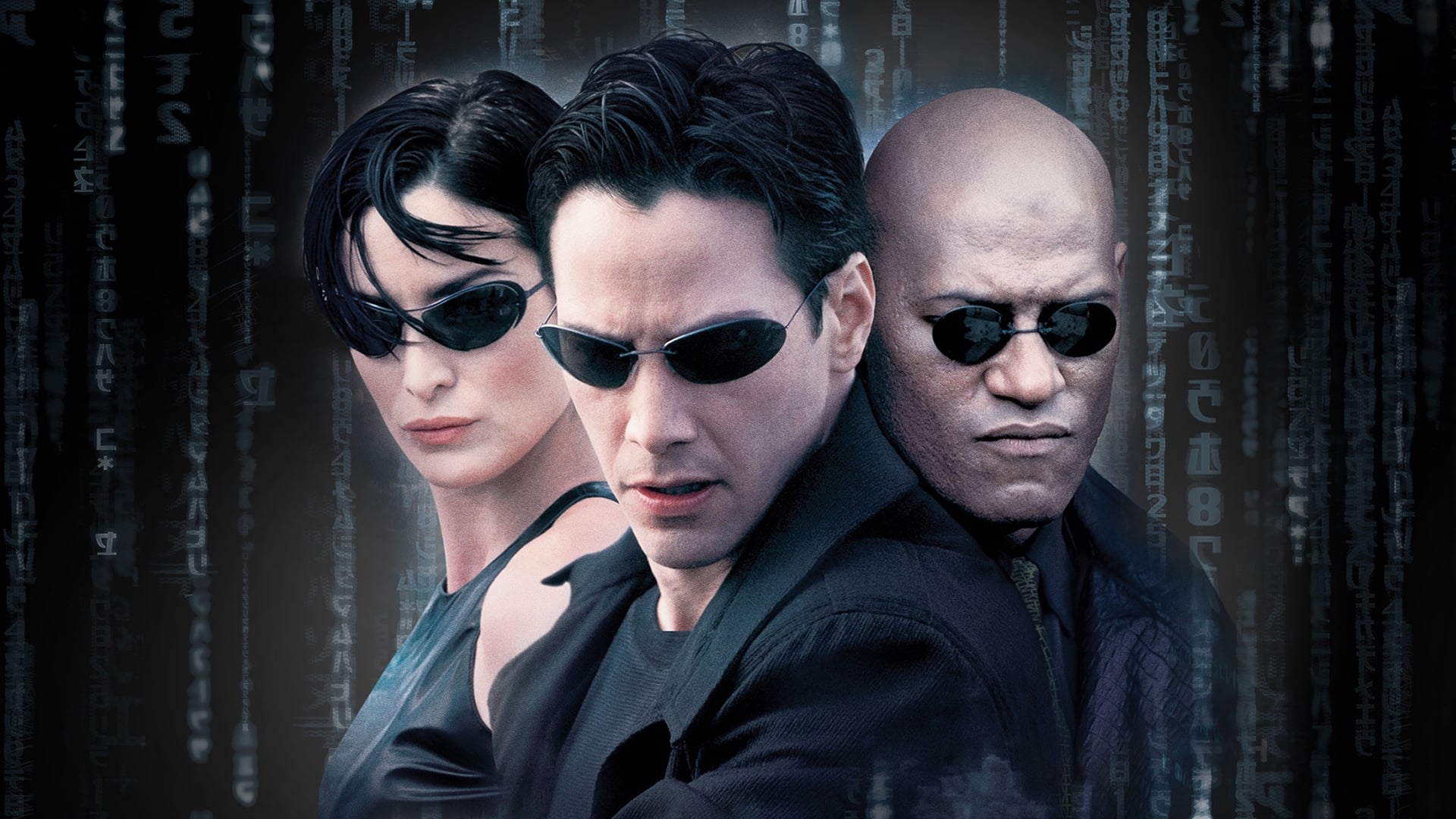
The Wachowskis’ The Matrix arrived in 1999 and immediately became a cultural touchstone. Its influence extends far beyond cinema into philosophy, politics, and internet culture. But what is the film actually saying?
Beyond the groundbreaking action and visual effects lies a dense web of philosophical references and spiritual allegory. Let’s unpack it.
The Basic Premise
In the late 22nd century, humanity lost a war against artificial intelligence. The machines now use humans as batteries, keeping them docile in a simulated reality called the Matrix. A small resistance fights to free minds and destroy the machine city.
Thomas Anderson, a programmer by day and hacker by night, discovers he’s living in this simulation. Freed by Morpheus and his crew, he learns he may be “The One,” a prophesied figure who can end the war.
Plato’s Cave
The film’s central concept comes directly from Plato’s allegory of the cave. Prisoners chained since birth see only shadows on a wall and believe these shadows are reality. If freed, they would initially reject the painful truth of the outside world.
Neo is the freed prisoner. The Matrix is the shadow play. Morpheus is the liberator who drags him into painful truth. The resistance lives in the “real” world, which is harsh and uncomfortable compared to the simulation’s comforts.
The question the film poses: Is truth worth suffering? Would you take the red pill?
Descartes and the Evil Demon
Philosopher René Descartes asked how we can know anything is real. He imagined an evil demon creating a perfect illusion of reality. How would we detect the deception?
The Matrix is this demon made literal. Every sensory experience inside the simulation is fake, yet indistinguishable from reality. The film suggests that reality is defined by perception, and perception can be manufactured.
Cypher’s betrayal stems from this insight. He chooses the comfortable lie over harsh truth. “Ignorance is bliss,” he says, eating a steak he knows isn’t real. The film doesn’t entirely dismiss his position.
Baudrillard and Simulation
Neo hides his illegal software in a hollowed-out copy of Jean Baudrillard’s “Simulacra and Simulation.” This isn’t subtle.
Baudrillard argued that modern society has replaced reality with symbols and signs, that we live in a “hyperreality” where the simulation has become more real than the real. The Matrix literalizes this philosophy: the simulation has entirely replaced the world it models.
Interestingly, Baudrillard himself criticized the film for missing his point. He argued that the film still assumes a “real” reality beneath the simulation, while his philosophy questions whether such a distinction is meaningful.
Religious Symbolism
The Matrix draws from multiple religious traditions:
Christianity: Neo is a Christ figure. He dies and is resurrected. He’s the prophesied savior. Trinity (the name itself is significant) resurrects him with a declaration of love and faith.
Buddhism: The Oracle resembles a bodhisattva, offering guidance toward enlightenment. The concept of the Matrix as illusion (maya) preventing spiritual awakening is Buddhist. Neo’s journey is about seeing through illusion to truth.
Gnosticism: The idea that the material world is a prison created by a false god (the Demiurge) while a true divine reality exists beyond. Gnostic texts describe awakening to this truth through special knowledge (gnosis). The Matrix is the false world; the machines are the Demiurge.
The Red Pill/Blue Pill Choice
This scene has become one of cinema’s most referenced moments. Morpheus offers Neo a choice: blue pill to forget everything and return to comfortable illusion, red pill to see how deep the rabbit hole goes.
The choice represents commitment to truth regardless of consequences. It’s the philosophical moment of decision that precedes any awakening.
The metaphor has been adopted across the political spectrum, often in ways the Wachowskis didn’t intend. The filmmakers have noted that the trans experience of seeing through socially constructed identity influenced the red pill concept.
What Is “Real”?
Morpheus asks Neo: “What is real? How do you define real? If you’re talking about what you can feel, what you can smell, what you can taste and see, then real is simply electrical signals interpreted by your brain.”
This is the film’s deepest question. If experience is just neural activity, can simulated neural activity be meaningfully distinguished from “real” experience? The Matrix suggests that authentic experience requires knowing the truth, even if that truth is painful.
But the film also shows characters choosing simulation. Cypher prefers the illusion. Even the resistance uses simulated training programs. Pure rejection of simulation isn’t possible or even desirable.
The One and Free Will
The prophecy of The One suggests determinism. Neo’s fate is already written. Yet Morpheus insists Neo must choose to believe. The Oracle’s statements are designed to provoke specific choices, which raises questions about whether those choices are truly free.
The sequels explore this tension directly, revealing that the prophecy itself is a mechanism of control. But even in the first film, the relationship between destiny and choice remains ambiguous.
Neo’s arc can be read as choosing to become The One through belief and action, or as inevitable fulfillment of predetermined destiny. The film leaves room for both interpretations.
The Action as Philosophy
The Wachowskis used action sequences to illustrate philosophical concepts. The training programs show how rules can be bent by those who understand their arbitrary nature. Bullet-time visualizes Neo’s growing perception beyond normal consciousness. The lobby shootout demonstrates liberation from conventional constraints.
When Neo finally stops bullets with his mind, he’s achieved what Morpheus promised: freedom from rules that don’t actually exist. The Matrix’s power is belief. Neo’s power is disbelief.
Legacy and Influence
The Matrix influenced everything from action choreography to how we discuss reality and technology. Films like Inception inherit its reality-questioning premise. Blade Runner 2049 shares its questions about authentic existence.
The film predicted concerns about simulation theory, artificial intelligence, and the relationship between humans and technology that have only become more relevant. Tech billionaires seriously discuss whether we’re living in a simulation. The Matrix got there first.
More importantly, the film demonstrated that popular entertainment could engage with serious philosophy without sacrificing spectacle. It proved audiences were hungry for meaning alongside action.
For more films questioning reality, explore our analysis of Inception and our sci-fi collection.
Discover Your Next Favorite Film
Browse our curated collection of movie trailers and find something new to watch tonight.
Browse Trailers