No Country for Old Men Ending Explained
The Coens' meditation on fate and evil decoded
The Reel
9 min read
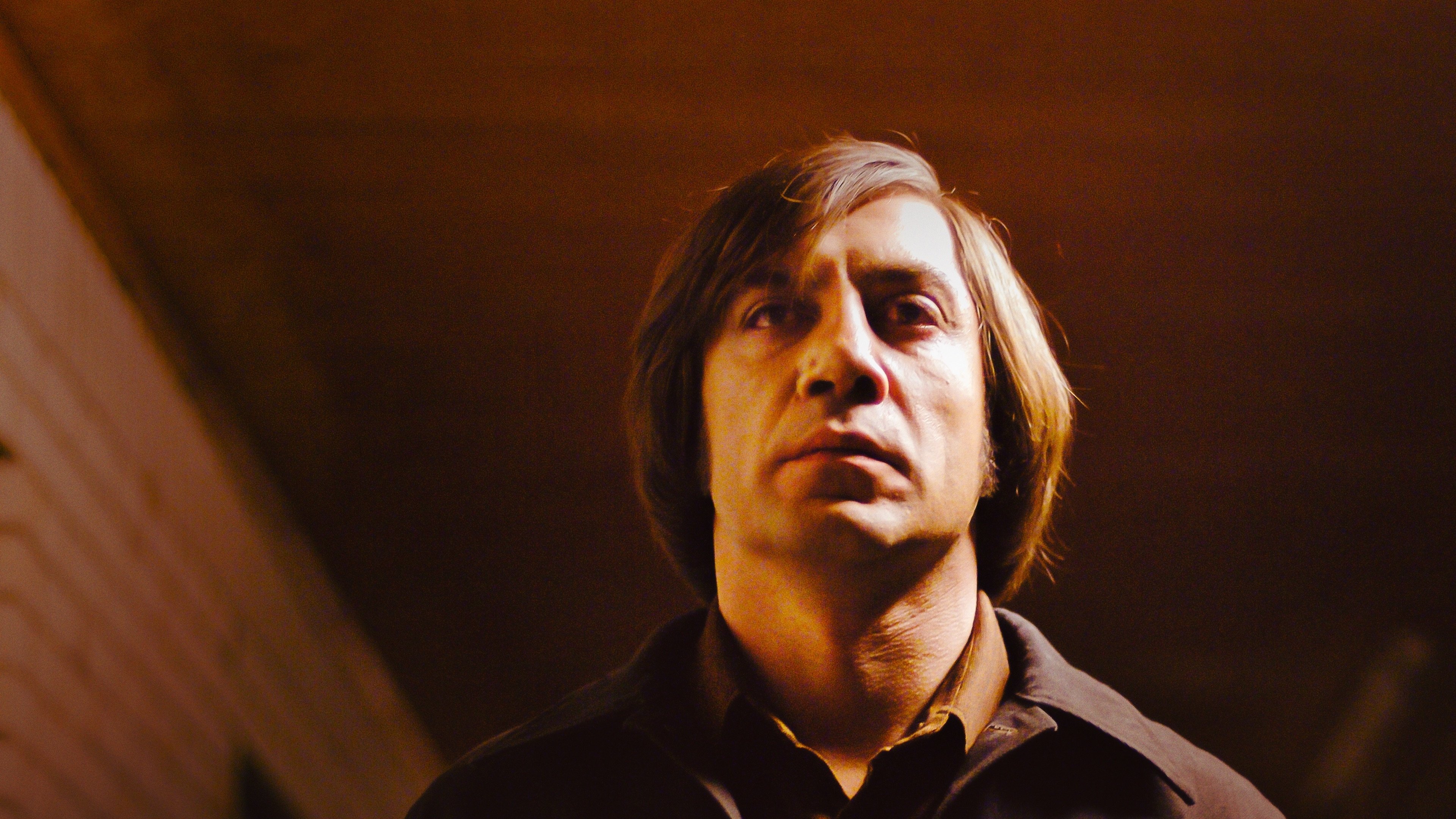
The Coen Brothers’ No Country for Old Men won four Oscars including Best Picture, but its ending left many viewers confused and unsatisfied. The hero dies offscreen. The villain walks away. The final scene is an old man describing dreams. What happened?
The ending is actually the point. Here’s why it works.
The Three Protagonists
The film follows three men through the Texas borderlands:
Llewelyn Moss finds $2 million at a drug deal gone wrong and makes the fateful decision to take it. He’s competent, resourceful, and doomed from the moment he returns to the scene with water for a dying man.
Anton Chigurh is the hitman sent to recover the money. He kills with a captive bolt pistol and makes life-or-death decisions with coin flips. He represents fate, death, or pure cosmic indifference depending on your reading.
Sheriff Ed Tom Bell investigates the carnage, always arriving too late, unable to comprehend the violence he witnesses. He represents the old world, the belief that goodness and justice should triumph.
Why Moss Dies Offscreen
Traditional storytelling would give us a final confrontation between Moss and Chigurh. Instead, Moss is killed by Mexican drug dealers in a scene we don’t see. Bell arrives at the motel to find his body.
This choice is deliberate and devastating. The film denies us the satisfaction of a climactic showdown because real violence doesn’t follow dramatic conventions. Moss’s death is random, meaningless, one more body in a chain of bodies. His competence and our investment in him count for nothing.
The Coens are telling us that we’ve been watching the wrong story. This isn’t about whether Moss can outsmart Chigurh. It’s about Bell watching a world he no longer understands.
Chigurh and Carla Jean
Chigurh visits Moss’s wife Carla Jean to honor a promise. He offers her the coin flip, his way of introducing randomness into his otherwise deterministic killing.
She refuses to call it. “The coin don’t have no say. It’s just you.”
This is the film’s moral center. Carla Jean sees through Chigurh’s philosophy. He uses the coin to avoid responsibility, to pretend he’s an instrument of fate rather than a man making choices. She names his self-deception, even knowing it won’t save her.
We don’t see her death, but we see Chigurh checking his boots for blood as he leaves. The uncertainty is brief.
The Car Crash
After leaving Carla Jean’s, Chigurh is hit by a car running a red light. He’s injured, broken arm, possibly worse. He bribes two boys for a shirt and walks away.
This scene is crucial. Chigurh, who lectures victims about the chain of events leading to their deaths, is himself subject to random chance. His philosophy applies to him too. The universe doesn’t care about his self-image as death incarnate.
He survives, but he’s diminished. The unstoppable force has been stopped, at least momentarily, by dumb luck.
Bell’s Dreams
The film ends with Bell, now retired, describing two dreams to his wife.
In the first dream, his father gave him money and he lost it. This represents his sense of failure, of being given a legacy (law, order, justice) that he couldn’t protect.
In the second dream, his father rode past him in the darkness, carrying fire in a horn. His father went ahead to make a fire “out there in all that dark and all that cold.” Bell knew he would be there waiting when Bell arrived.
This is about death. Bell’s father died young. The fire represents warmth, meaning, continuity. Bell is reconciling himself to mortality, finding comfort in the idea that those who came before have prepared a place.
The Title’s Meaning
“No Country for Old Men” comes from Yeats’s poem “Sailing to Byzantium,” about aging and the search for permanence in a changing world.
Bell is the old man for whom this country no longer makes sense. The violence he witnesses isn’t new. Texas has always been violent. But something has changed in how he understands it. The codes he believed in, that good intentions and hard work could protect people, have failed.
The country hasn’t changed. Bell has simply seen it clearly for the first time.
What Chigurh Represents
Chigurh has been read as death, fate, the devil, or simply a psychopath. All readings have merit.
He’s most compelling as an embodiment of the random cruelty the universe contains. His coin flips aren’t fair (he decides when to offer them), but they introduce uncertainty that makes victims complicit in their deaths. Call it right, you live. It’s almost like agency.
But Carla Jean’s refusal exposes this as illusion. The coin has no power. Chigurh kills because he chooses to. His philosophy is just a story he tells himself.
The Coens’ Vision
No Country for Old Men is the Coens at their most restrained. Their usual dark humor appears only in glimpses. The violence is blunt and unglamorous. The landscape is beautiful and indifferent.
They’re adapting Cormac McCarthy, whose novels often explore violence as a fundamental American condition. The Coens understand that McCarthy’s power comes from what he withholds: explanations, catharsis, justice.
The film asks us to sit with discomfort, to accept that some stories don’t resolve neatly, that evil sometimes walks away, that understanding doesn’t always come. That’s not nihilism. It’s honesty.
For more films that challenge conventional storytelling, explore our thriller collection and read our analysis of The Prestige.
Discover Your Next Favorite Film
Browse our curated collection of movie trailers and find something new to watch tonight.
Browse Trailers