Arrival Ending Explained: Time, Language, and Choice
Understanding the profound twist that changes everything
The Reel
9 min read
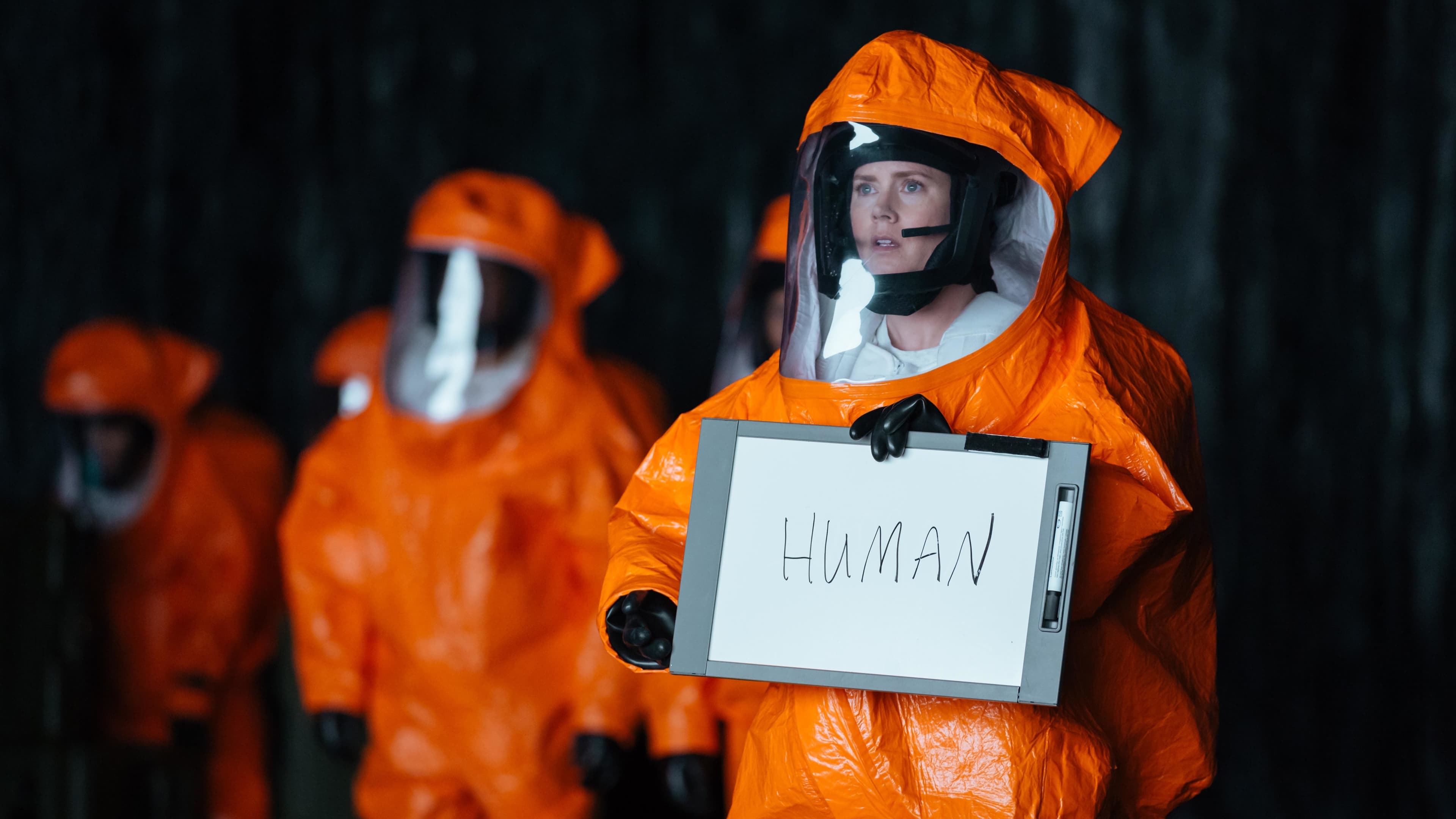
Denis Villeneuve’s Arrival pulls off one of cinema’s most emotionally devastating twists, not through shock but through profound recontextualization. What we think we’re watching transforms completely in the final act, and the film’s central question shifts from “what do the aliens want?” to “would you still make the same choices?”
If you’re puzzling over what just happened, let’s unpack it together.
What We Think We’re Seeing
Throughout Arrival, linguist Louise Banks (Amy Adams) is shown grieving flashbacks of her daughter Hannah, who died of cancer as a teenager. These scenes establish Louise as a woman carrying deep loss, providing emotional context as she attempts to decode the heptapods’ circular language.
The film seems to follow a straightforward structure: present-day alien encounter punctuated by memories of past tragedy.
Except that’s not what’s happening at all.
The Truth: Those Aren’t Flashbacks
The film’s central revelation is that Louise’s “memories” of Hannah aren’t memories at all. They’re visions of the future. Hannah hasn’t been born yet. Louise hasn’t even met Ian, Hannah’s father.
By learning the heptapod language, Louise’s perception of time fundamentally changes. The aliens experience all moments simultaneously, and their language rewires how speakers perceive reality. Louise gains the ability to see her own future, including her daughter’s life and death.
How Heptapod Language Changes Perception
The Sapir-Whorf hypothesis, which the film references, suggests that language shapes thought. Arrival takes this concept to its extreme logical conclusion: a language without linear grammar could reshape how we perceive time itself.
The heptapods write in circles, with no beginning or end. Their communication exists outside sequence. When Louise achieves true fluency, she begins experiencing time non-linearly. The “flashbacks” become “flash-forwards” and “flash-sideways” simultaneously.
This is why Louise suddenly knows things she shouldn’t. In the climactic scene, she calls General Shang and speaks his wife’s dying words, information she won’t actually receive until 18 months in the future at a celebration banquet. From the heptapods’ perspective, from Louise’s new perspective, time is not a river flowing forward but an ocean where every moment coexists.
The Weapon Is Time
When the aliens say they’ve come to give humanity a “weapon,” Louise eventually understands they mean their language itself. In 3,000 years, the heptapods will need humanity’s help, and the gift of perceiving time non-linearly is their way of ensuring that future cooperation.
The weapon isn’t for war. It’s the ability to see beyond the present, to understand consequences, to make choices with full knowledge of their outcomes.
Louise’s Choice
Here’s where the film becomes heartbreaking.
Louise sees her entire future: she will marry Ian, have Hannah, and watch her daughter die before turning twenty. She also sees that when Ian learns she knew this would happen, he will leave her.
And she chooses it anyway.
She chooses to love her daughter for the years they’ll have together. She chooses the pain of loss because the joy of Hannah’s existence is worth that pain. She chooses with full knowledge, which makes her choice infinitely more meaningful.
The closing scene shows Louise asking Ian if he would change things if he could see his whole life from beginning to end. He doesn’t understand the question yet. She does.
Why This Matters
Most twist endings work by revealing hidden information. Arrival’s ending works by revealing hidden meaning. The facts haven’t changed, but our understanding of them transforms completely.
This structural gambit mirrors the film’s themes perfectly. Louise’s final understanding requires seeing every moment at once, and so does ours as viewers. On rewatch, every scene with Hannah carries both the warmth of love and the weight of inevitable loss.
Villeneuve would continue exploring non-linear storytelling and existential questions in Blade Runner 2049 and Dune: Part Two, but Arrival remains his most emotionally concentrated work.
Connections to Other Films
The time perception mechanics share DNA with Christopher Nolan’s Interstellar, where love transcends time and space. Both films use science fiction concepts to explore deeply human emotions about connection and loss.
Villeneuve’s visual language, those cold grays and isolated figures against vast structures, would become signature elements in his later work. The heptapod ships feel like precursors to the architecture of Blade Runner 2049 and Dune.
Questions the Film Leaves Open
Does Louise have free will once she can see the future? The film suggests that seeing the future and choosing it are the same act. Louise doesn’t feel trapped by her knowledge; she feels empowered by it.
What happens when more humans learn the language? The film implies a fundamental shift in human consciousness, a species-wide upgrade that prepares us for cooperation with the heptapods.
Why does the language require such a radical change? Perhaps linear language is what keeps us afraid, making war and division feel necessary. Seeing the long view might naturally lead to cooperation.
The Title Itself
“Arrival” operates on multiple levels. It refers to the aliens arriving, to Louise arriving at understanding, to Hannah’s arrival into the world, and to our arrival at the truth of what we’ve been watching.
The film begins and ends with Louise and Hannah. Birth and death. Beginning and ending. Except in the heptapod way of seeing, they’re all the same moment.
That’s the profound sadness and strange beauty of Arrival: knowing the end doesn’t diminish the value of the journey. If anything, it makes every moment more precious.
For more thought-provoking science fiction that questions reality itself, explore our sci-fi collection for similar experiences.
Discover Your Next Favorite Film
Browse our curated collection of movie trailers and find something new to watch tonight.
Browse Trailers