Tenet Explained: A Complete Timeline Guide
Understanding inversion, the algorithm, and what actually happened
The Reel
14 min read
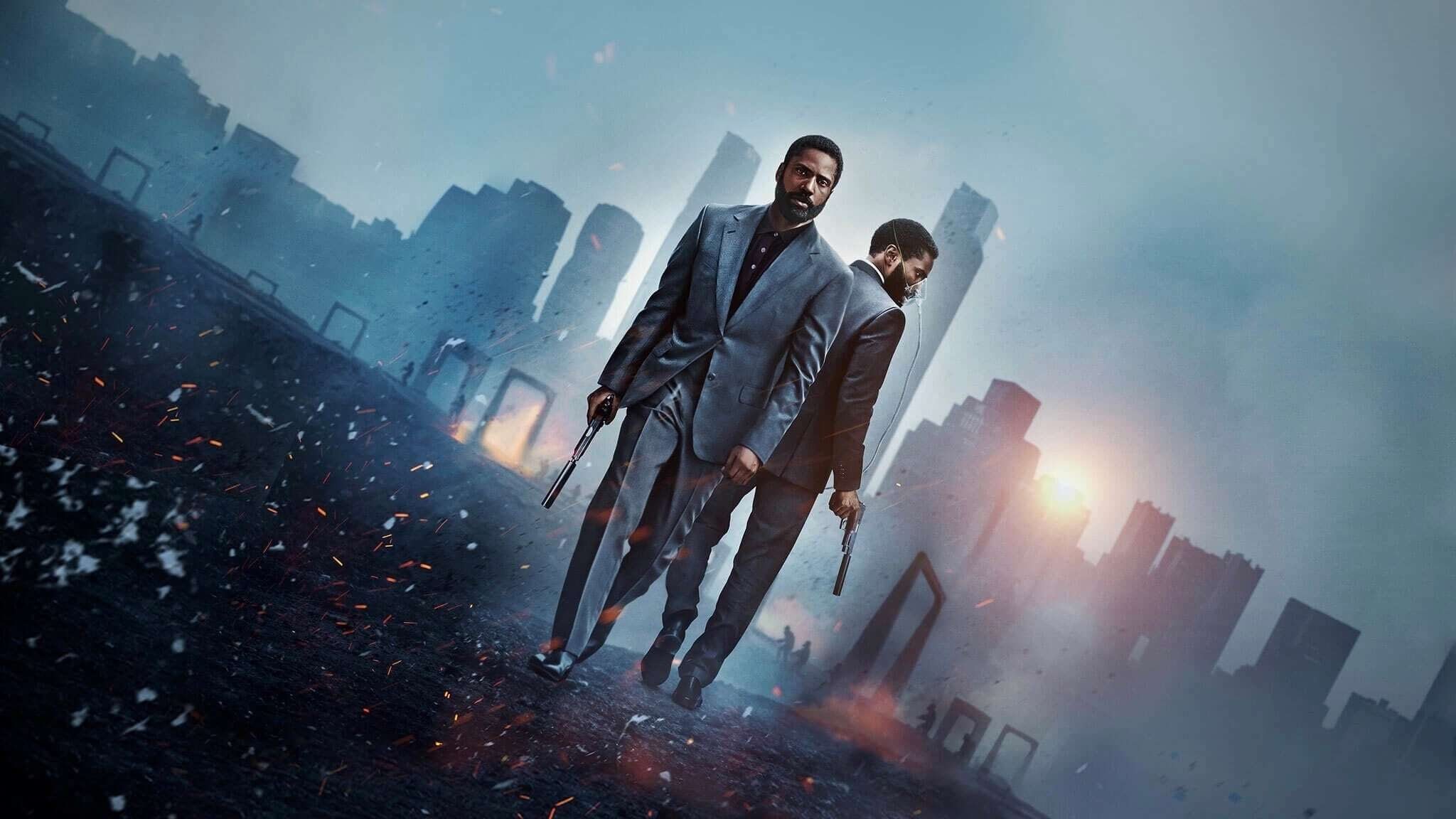
Tenet is Christopher Nolan’s most confusing film. The dialogue is buried in the sound mix, the rules keep changing, and John David Washington’s Protagonist doesn’t even get a name. But it does make sense, and here’s how.
The Core Concept: Inversion
Inversion reverses an object’s entropy. Instead of moving forward through time, inverted objects move backward.
Crucially, inverted objects interact with normal time. If you’re inverted, you see the world moving backward. Everyone else sees you moving backward. A bullet fired while inverted will un-fire, returning to the gun.
This isn’t time travel in the traditional sense. You can’t jump to any point in time. You have to live through every moment, just in reverse.
The Turnstiles
Turnstiles are machines that invert objects and people. You enter moving forward, and you exit moving backward.
The film has several turnstiles, including:
- The freeport in Oslo
- The freeport at the airport
- Sator’s yacht
- The Stalsk-12 battlefield
To go backward, you enter, get inverted, live backward, then enter another turnstile to return to normal. You can use this to effectively time travel to the past.
The Algorithm
The MacGuffin is the Algorithm, a formula split into nine pieces hidden in nuclear arsenals. If assembled, it could reverse the entropy of the entire world, destroying humanity.
Sator (Kenneth Branagh) wants to assemble the Algorithm because he’s dying of cancer. A future civilization contacts him and promises that if he triggers the Algorithm, they’ll be saved (and the present will be destroyed).
The Protagonist’s mission is to stop Sator from assembling and using the Algorithm.
The Opera Siege
The film opens with a terrorist attack on an opera house in Kyiv. The Protagonist saves an asset and gets recruited into Tenet.
What’s not immediately clear: he sees an inverted bullet save his life. This is his first encounter with inversion, though he doesn’t understand it yet.
The Plane Crash
The Protagonist crashes a plane into the Oslo freeport to access the turnstile inside. He fights a masked figure who moves strangely.
Later, we learn that masked figure is himself, inverted, from later in the movie. He’s fighting his own past self.
The Car Chase
The highway chase has two versions: forward and backward. The Protagonist steals the case from Sator, then later experiences the same events inverted, seeing his earlier self from the other perspective.
This is where Tenet gets most confusing. The same sequence happens twice, from different temporal directions.
The Final Battle
The climax involves a “temporal pincer movement.” One team attacks moving forward in time. Another team attacks moving backward. They share intelligence across the battle.
The Protagonist’s team must prevent Sator’s men from burying the Algorithm at the dead drop site. Meanwhile, Kat must prevent Sator from dying before the Algorithm is secure (because he has a dead man’s switch connected to his heartbeat).
Neil’s Sacrifice
Neil (Robert Pattinson) reveals at the end that the Protagonist recruited him in the future. From Neil’s perspective, this mission is the end of their friendship. From the Protagonist’s perspective, it’s the beginning.
Neil dies saving the Protagonist in the underground tunnel. The backpack and lock-picking skills identify him as the inverted soldier who opens the gate earlier. He knew he was going to die and went anyway.
“What’s happened, happened.”
The Bootstrap Problem
Like Interstellar, Tenet has a causal loop. The Protagonist creates the organization that trains him. He recruits Neil in the future, who then dies in the past helping him.
There’s no origin point. The loop simply exists.
What Was the Future’s Plan?
Future humans face an environmental catastrophe and decide to reverse time to fix it. Their plan requires destroying the present.
Sator is their agent in our time. He believes the future has the right to survive, even if it means killing everyone currently alive.
The Protagonist argues that the present has as much right to exist as the future. The film sides with him, but Tenet acknowledges the moral complexity.
Does It Make Sense?
Tenet’s internal logic is consistent, but Nolan buries the exposition in noise and jargon. On rewatch with subtitles, the rules hold together.
The emotional stakes are thinner than Inception or Interstellar. The Protagonist doesn’t have a family or clear motivation. The film is more puzzle than story.
For Further Exploration
If Tenet’s temporal mechanics interest you:
- Inception handles dreams more accessibly
- Memento runs backward more comprehensibly
- The Prestige has similar structural tricks
Browse more sci-fi films in our collection.
Discover Your Next Favorite Film
Browse our curated collection of movie trailers and find something new to watch tonight.
Browse Trailers