Oppenheimer Explained: The Full Story Behind Nolan's Epic
Complete analysis of the bomb, the man, and the moral reckoning
The Reel
14 min read
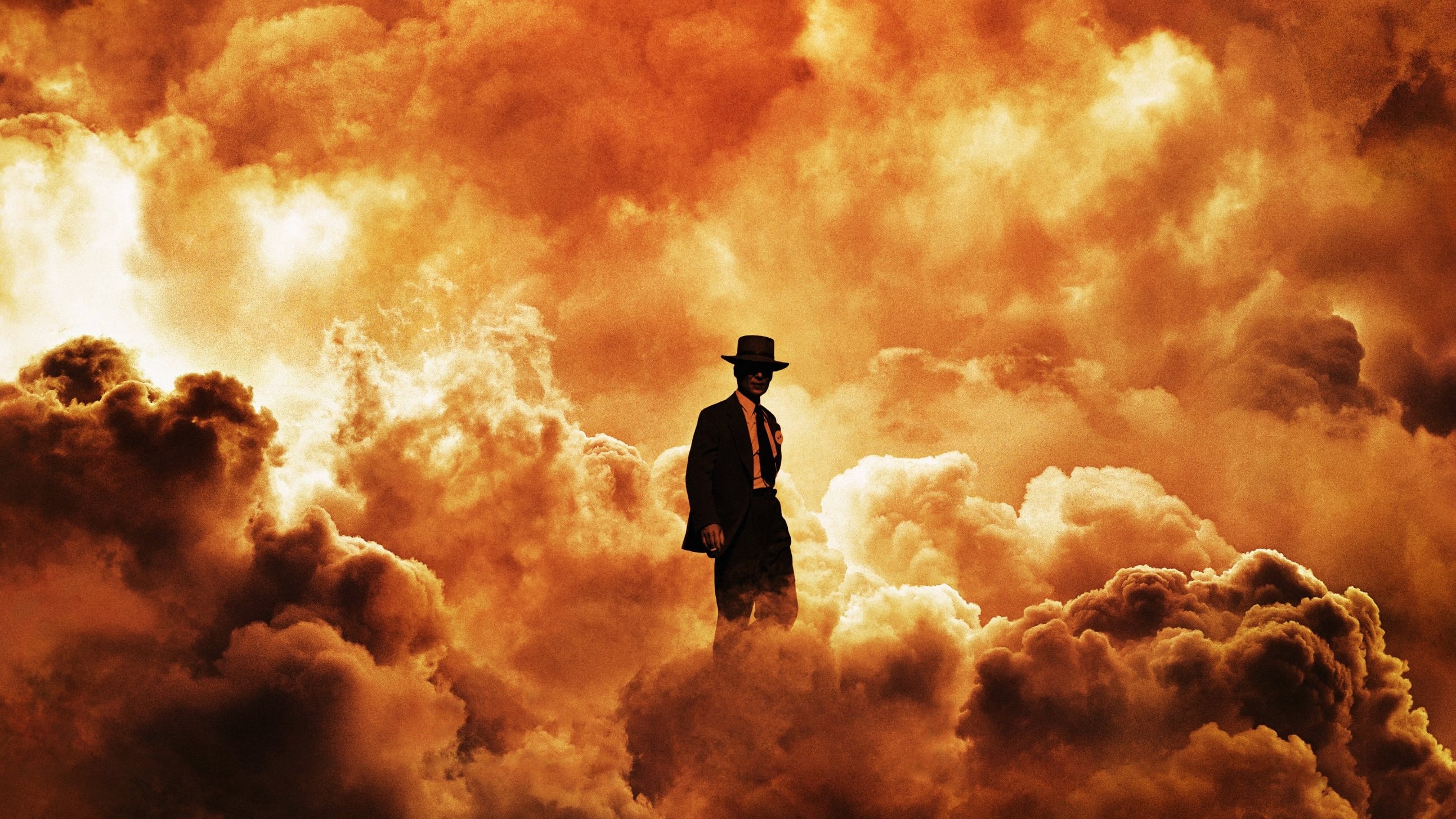
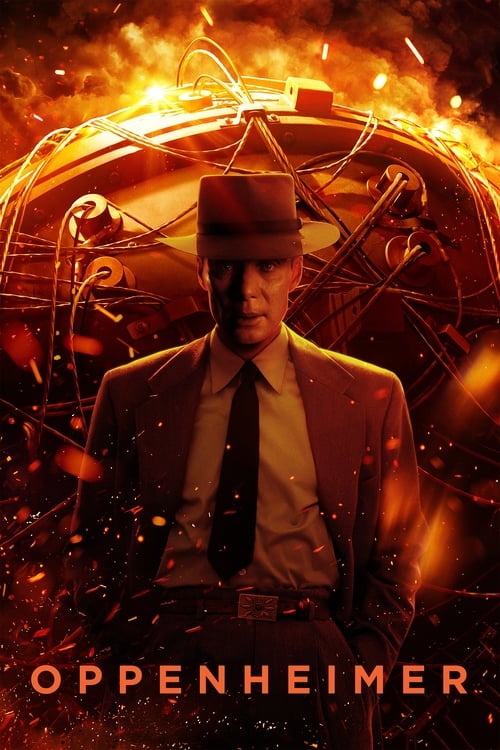
Oppenheimer runs three hours and demands your attention for every minute. Christopher Nolan’s biography of the atomic bomb’s creator weaves three timelines, jumps between color and black-and-white, and asks whether the man who ended one war started another. Here’s what it all means.
The Structure: Three Timelines Explained
Nolan tells Oppenheimer’s story through three interlocking timelines:
1. The Manhattan Project (Color, 1942-1945) The longest section follows Oppenheimer assembling scientists in Los Alamos to build the bomb. We see the Trinity test, the celebrations, and the first hints of regret.
2. The 1954 Security Hearing (Color) Oppenheimer faces a closed-door hearing to determine if he should keep his security clearance. This is the “trial” at the film’s emotional center, where his past decisions are weaponized against him.
3. The 1959 Strauss Confirmation (Black and White) Lewis Strauss (Robert Downey Jr.) seeks confirmation as Secretary of Commerce. The black-and-white signals this is a different perspective, showing how Strauss’ grudge against Oppenheimer shaped history.
Why Black and White?
Nolan uses color to show Oppenheimer’s subjective experience and black-and-white for “objective” scenes from others’ viewpoints. The Strauss timeline is black-and-white because we’re seeing events through his lens, not Oppenheimer’s.
The distinction matters because the film asks whose version of history we trust. Oppenheimer’s memories are unreliable, colored by guilt. Strauss’ perspective is colored by resentment. Neither gives us the full truth.
“Now I Am Become Death”
The famous line comes from the Bhagavad Gita. Oppenheimer reportedly said it after the Trinity test, though some historians doubt he spoke it aloud at the time. Nolan uses it as a structuring device, connecting Hindu mythology to nuclear apocalypse.
The film’s visual echo during the bedroom scene is intentional. Oppenheimer is consumed by death even in moments of intimacy. The bomb is always present.
The Jean Tatlock Scenes
The film has been criticized for how it depicts Oppenheimer’s affair with Jean Tatlock (Florence Pugh). Her presence in the security hearing, appearing naked while Kitty watches, is a dramatization of how the hearing invaded Oppenheimer’s private life.
Tatlock’s suicide is presented ambiguously. The film suggests surveillance may have contributed to her death, though historical evidence is uncertain. What’s clear is that Oppenheimer carried guilt about her alongside his bomb guilt.
The Teller Question
Edward Teller (Benny Safdie) testifies against Oppenheimer at the hearing. Their conflict represents a real split in physics: Oppenheimer wanted to stop at the atomic bomb, while Teller pushed for the hydrogen bomb.
Teller’s testimony wasn’t outright condemnation, but his refusal to vouch for Oppenheimer was damaging. The film shows how even qualified criticism becomes ammunition in political witch hunts.
Strauss’ Revenge
Robert Downey Jr.’s Lewis Strauss believes Oppenheimer humiliated him in a Congressional hearing. The film shows this moment, where Oppenheimer seems dismissive. Whether Oppenheimer actually insulted Strauss is debated by historians.
What’s certain is that Strauss used his position on the AEC to orchestrate the security hearing. The black-and-white scenes reveal his manipulation slowly, making his confirmation hearing a parallel trial.
The final revelation that a scientist (Rami Malek) undermines Strauss’ confirmation provides one of the film’s few moments of catharsis.
The Final Image
The film ends with a conversation between Oppenheimer and Einstein. Einstein’s reaction, walking away disturbed, has puzzled viewers. The final flashback reveals what Oppenheimer said: he fears they’ve started a chain reaction that will destroy the world.
The image of flames engulfing Earth isn’t prediction. It’s Oppenheimer’s internal state made visual. He lives with the knowledge that he’s initiated something that could end humanity. Whether that ending comes through nuclear war or the environmental consequences of nuclear testing, Oppenheimer believes he’s responsible.
The Film’s Argument
Oppenheimer doesn’t let its subject off the hook, but it shows how the security hearing was a sham. Oppenheimer made real mistakes, but the hearing was about political revenge, not security.
The film argues that scientists bear responsibility for their creations but can’t control how those creations are used. Oppenheimer built the bomb to end one war. Others decided to use it, then build bigger bombs, then point those bombs at each other for decades.
The guilt Oppenheimer carries is both deserved and unfair. That tension is what makes him tragic rather than simply villainous or heroic.
For Further Exploration
If Oppenheimer made you want to understand more, explore:
- Interstellar for more Nolan physics
- The Prestige for Nolan’s obsession themes
- Schindler’s List for another WWII historical epic
Browse our full collection for more recommendations.
Discover Your Next Favorite Film
Browse our curated collection of movie trailers and find something new to watch tonight.
Browse Trailers