Oppenheimer: Christopher Nolan's Most Human Film
How a three-hour biopic about physics became the most gripping thriller of the year
The Reel
7 min read
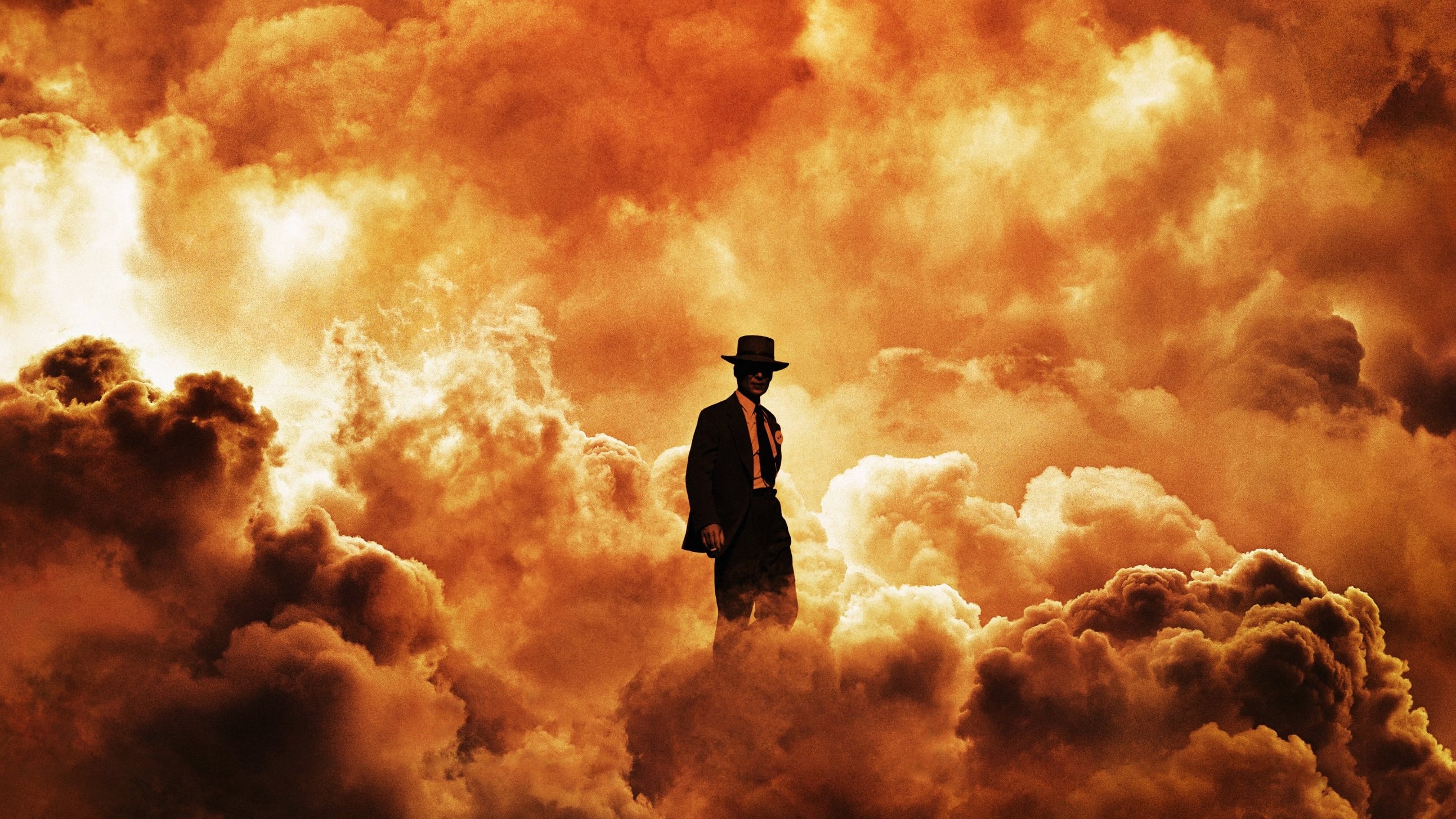
Christopher Nolan has spent his career exploring big ideas through intricate structures. Time loops in Memento. Dreams within dreams in Inception. The nature of reality in The Prestige. With Oppenheimer, he turns his obsessive attention to something even more complex: a human conscience.
The result is paradoxically his most intimate film. For all its epic scope (the Trinity test alone is worth the price of admission), Oppenheimer succeeds because it makes us feel the weight of one man’s impossible choices.
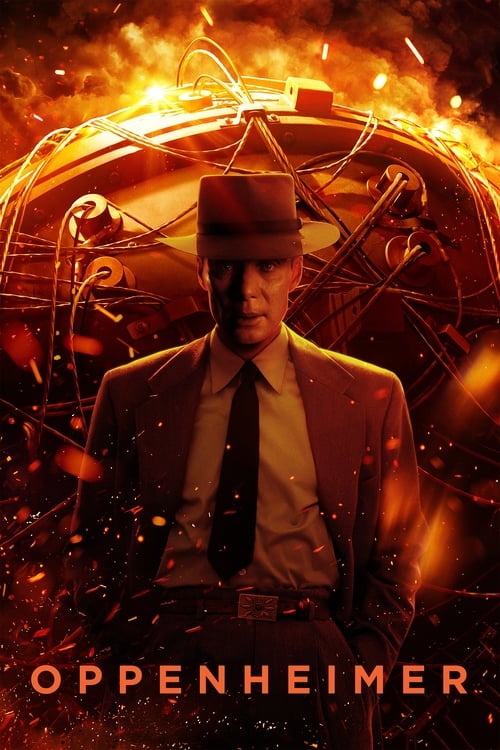
Cillian Murphy: The Man Behind the Bomb
After decades of scene-stealing supporting roles in Nolan’s films, Cillian Murphy finally gets his showcase. And what a showcase it is. Murphy’s Oppenheimer is brilliant and brittle, arrogant and anguished. A man who quotes the Bhagavad Gita not for dramatic effect but because he genuinely can’t express what he’s feeling any other way.
The performance is built on small moments: the way his hands shake after Trinity, the nervous rhythm of his speech during the security hearing, the thousand-yard stare that descends when he finally understands what he’s created. Murphy lost significant weight for the role, and his gaunt appearance gives Oppenheimer the look of someone being consumed from within.
It’s the kind of performance that seems inevitable in retrospect. Of course Cillian Murphy was always meant to play Robert Oppenheimer. The pale intensity, the piercing blue eyes, the sense of barely contained chaos. It’s like the role was waiting for him all along.
The Structure of Conscience
Nolan tells the story through two parallel timelines, distinguished by color: Oppenheimer’s subjective experience in vivid color, and Lewis Strauss’s 1959 cabinet confirmation hearing in stark black and white. It’s a clever device that initially seems like typical Nolan trickery but reveals itself as something deeper.
The color sequences show us how Oppenheimer saw himself: a man of science caught up in historical forces beyond his control. The black-and-white sequences show us how others saw him: a naïve idealist, a potential traitor, a useful scapegoat. The truth, Nolan suggests, lies somewhere in the tension between these perspectives.
The security hearing sequences could have been deadly dull. Men in suits talking about clearances and associations. Instead, they’re agonizing. Nolan films them like a thriller, with Jason Clarke’s prosecutor dissecting Oppenheimer’s past with surgical precision. Every association with suspected communists, every contradictory statement, every moment of human weakness becomes a weapon.
The Trinity Test
Let’s talk about the bomb.
Nolan famously insisted on practical effects for the Trinity test, recreating the explosion without CGI. The result is one of the most visceral sequences in recent cinema. You feel the light before you hear the sound. That impossible brightness that bleached Oppenheimer’s vision and changed the world forever.
But it’s what comes after that haunts. The silence as the mushroom cloud rises. Oppenheimer’s face, caught between triumph and horror. And then, in one of Nolan’s most devastating cuts, a vision of charred bodies where his cheering colleagues stood moments before.
The film doesn’t show Hiroshima or Nagasaki directly. It doesn’t need to. By the time we reach Oppenheimer’s famous “I am become death” monologue, delivered not in the desert but in a crowded auditorium as he imagines the flesh melting from his audience, we understand the burden he carries.
The Supporting Cast
Nolan has assembled perhaps the most impressive ensemble of his career. Robert Downey Jr., in his best work since escaping the Marvel machine, plays Lewis Strauss as a man whose petty resentments shape history. Emily Blunt’s Kitty Oppenheimer is fierce and frustrated, watching her husband’s self-destruction with clear-eyed despair.
Florence Pugh brings unexpected depth to Jean Tatlock, the lover whose ghost haunts Oppenheimer throughout. Matt Damon’s General Groves provides welcome moments of levity while never letting us forget the military context of the Manhattan Project. Josh Hartnett, Rami Malek, Casey Affleck. Even the smallest roles are perfectly cast.
Special mention must go to the scientists. Nolan makes theoretical physics feel like jazz, with brilliant minds riffing off each other in a race against time. The Los Alamos sequences capture something rarely seen on screen: the genuine excitement of collaborative discovery, even when that discovery will kill hundreds of thousands.
IMAX as Intimacy
Nolan shot Oppenheimer on IMAX film, the same format he used for Batman’s cape and Dunkirk’s beaches. But here, the massive frame captures something unexpected: faces. Murphy’s haunted eyes fill the screen during the security hearing. The texture of sweat and tension becomes overwhelming.
It’s a bold choice that pays off magnificently. The IMAX format creates intimacy through scale, forcing us to reckon with every flicker of emotion across Oppenheimer’s face. We can’t look away, just as he couldn’t look away from what he’d created.
The Weight of Knowledge
Oppenheimer is not an easy film. At three hours, it demands patience. Its non-linear structure requires attention. Its moral questions have no clean answers.
But it’s also Nolan’s most rewarding film. A meditation on genius and guilt, on the terrible responsibility of knowledge, on the gap between intention and consequence. In an era of superhero spectacles, it dares to suggest that the most powerful forces in the universe might be human doubt and human regret. Browse our full collection for more essential cinema.
Oppenheimer created a weapon that could end civilization. Nolan has created a film that helps us understand why that matters.
Rating: 9/10
Oppenheimer won seven Academy Awards, including Best Picture, Best Director, and Best Actor for Cillian Murphy. For more Nolan, see our takes on The Dark Knight and Interstellar.
Discover Your Next Favorite Film
Browse our curated collection of movie trailers and find something new to watch tonight.
Browse Trailers